Latching Button Switch: Reliable Control Solutions

latching button switch

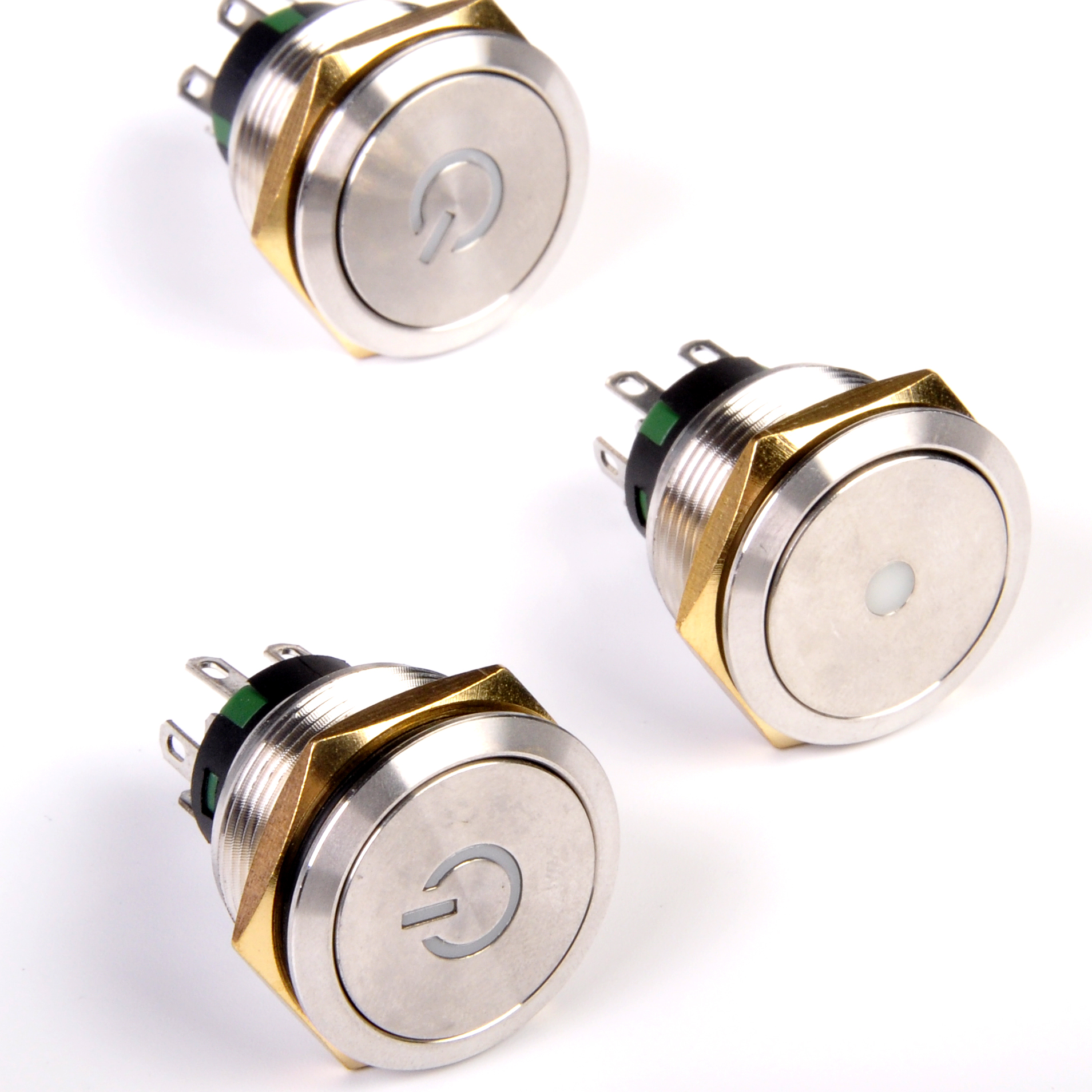
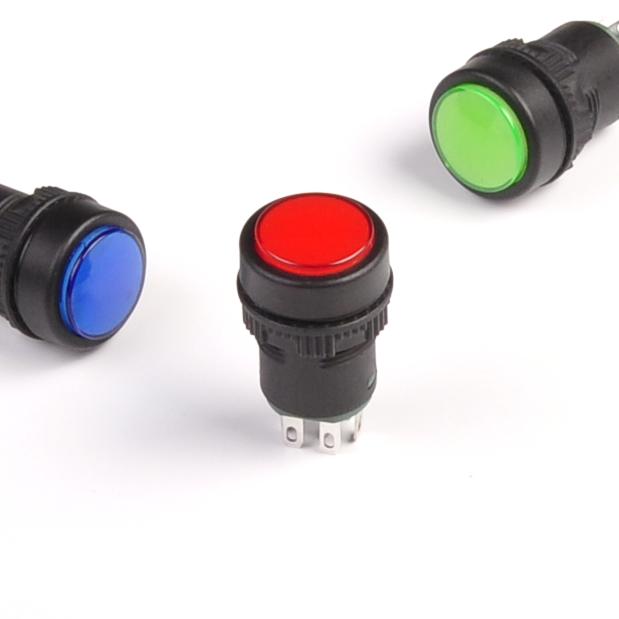
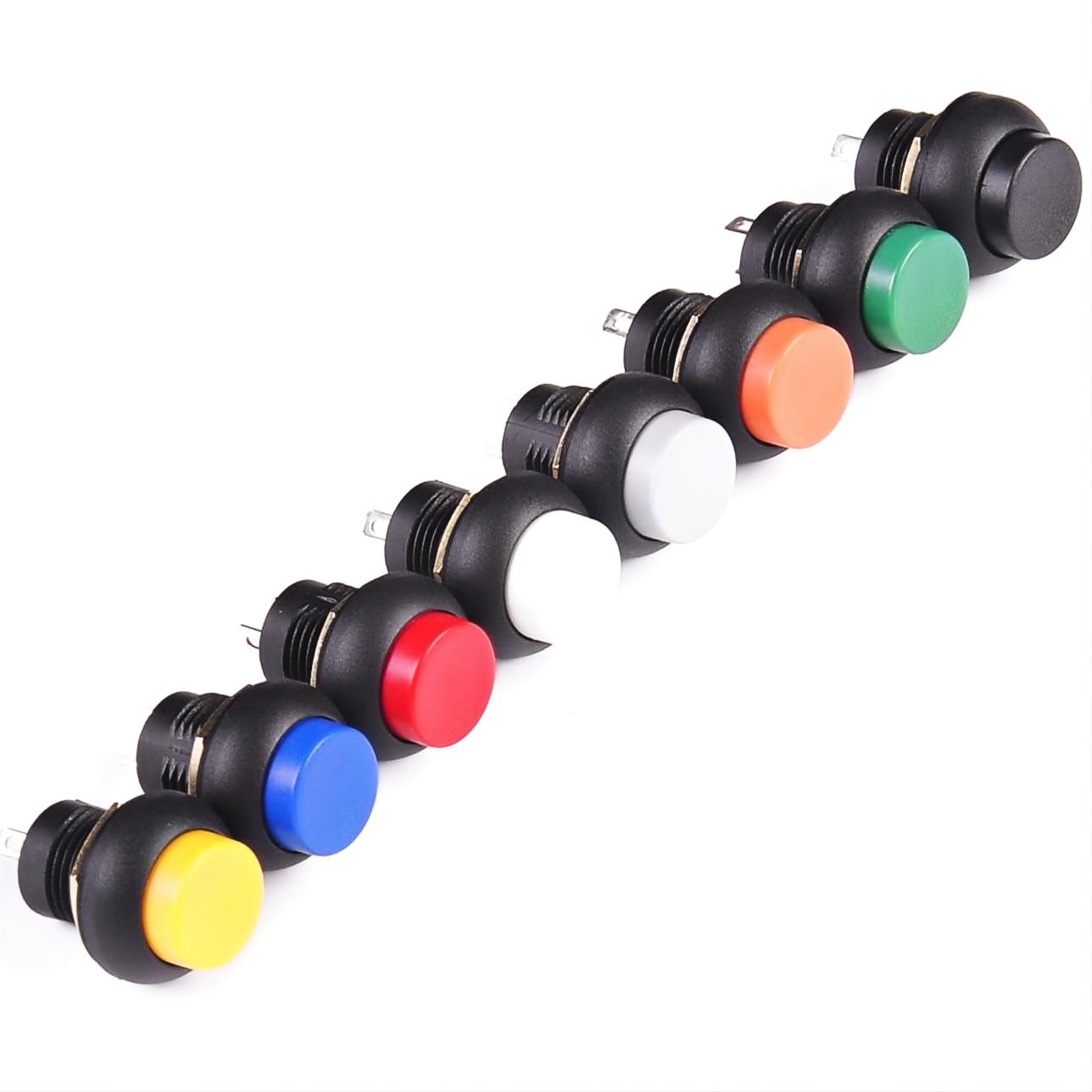
A latching button switch represents a fundamental component in modern electrical and electronic systems, designed to maintain a pressed state until intentionally released or activated again. Unlike momentary switches that require continuous pressure, a latching button switch stays engaged after a single press, making it ideal for applications requiring sustained operation without constant user input. The latching button switch operates through an internal mechanical mechanism that locks the button in place when pressed. This feature eliminates the need for continuous finger pressure, providing convenient hands-free operation. The switch contains spring-loaded components and locking tabs that hold the button in its activated position until the user presses it again to deactivate the mechanism. Technologically, a latching button switch incorporates durable materials such as reinforced plastic housing and high-grade metal contacts. These components ensure reliable electrical connectivity and extended operational life across thousands of activation cycles. The electrical specifications typically include rated voltage and current capacity suitable for various applications. Applications for the latching button switch span multiple industries and everyday devices. Power tools, industrial machinery, household appliances, and automotive systems commonly utilize latching button switches for safety and convenience. In consumer electronics, they control features requiring sustained activation, such as power functions or operating modes. The versatility of the latching button switch makes it an essential component in engineering and design across residential, commercial, and industrial sectors.
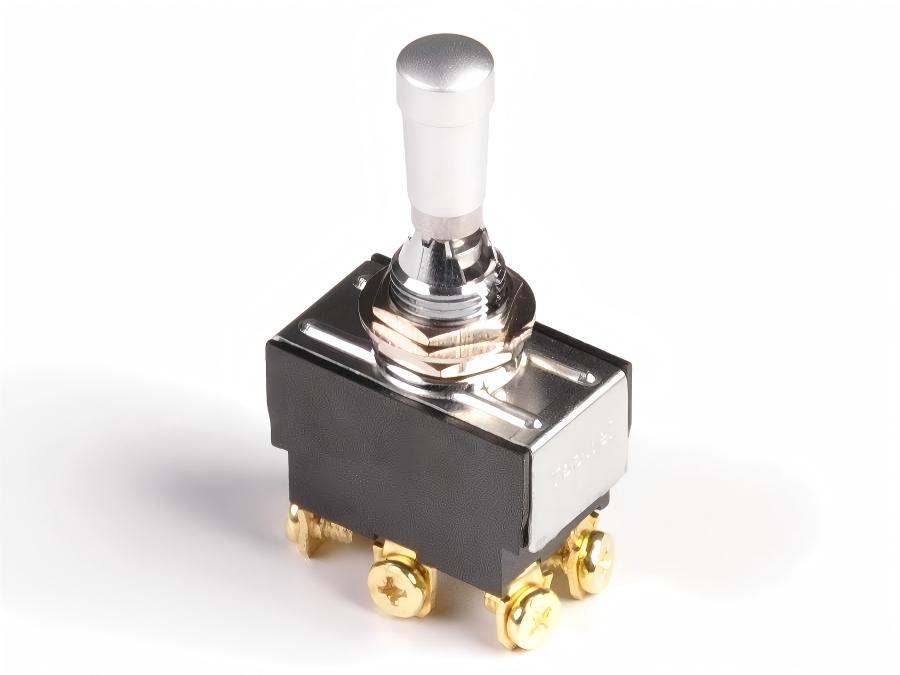
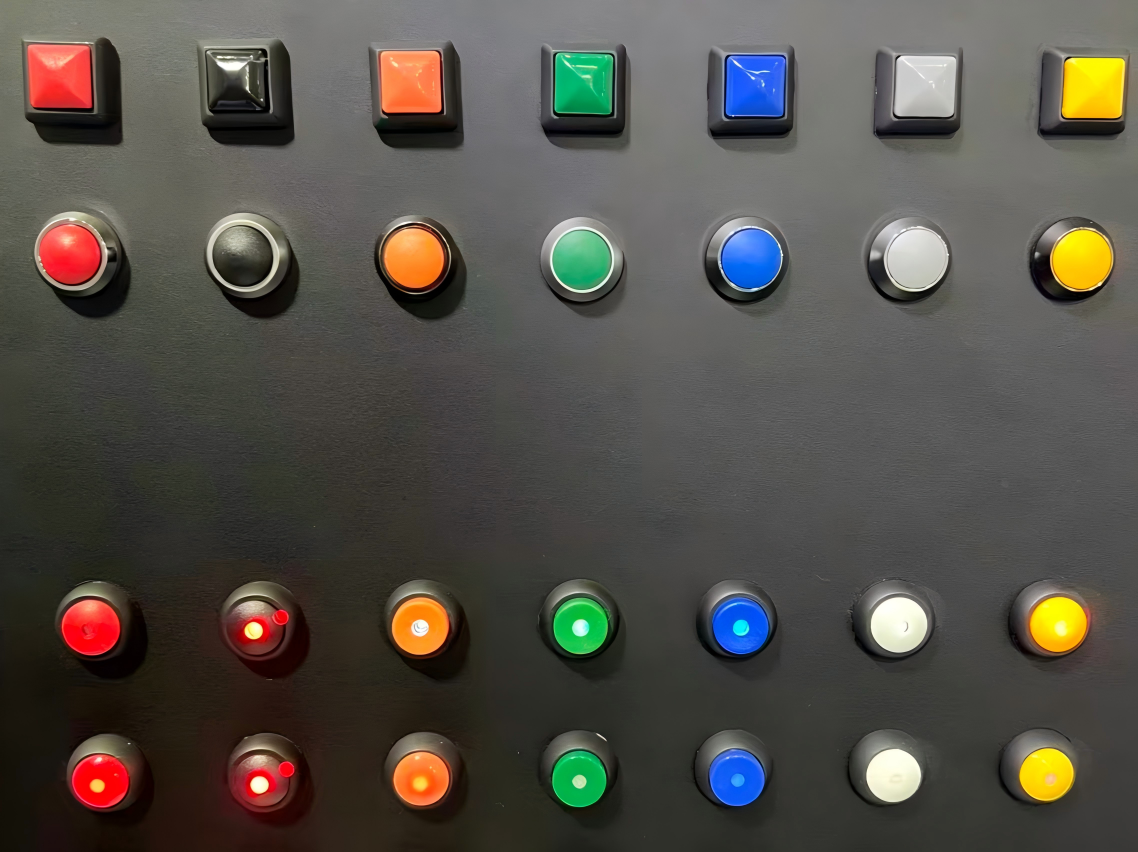
New Product Recommendations

The latching button switch offers significant practical benefits that enhance both user experience and operational efficiency. One primary advantage is operational convenience—once you press a latching button switch, it remains activated without requiring continuous finger pressure. This hands-free capability proves invaluable in situations where users need both hands for other tasks, such as operating power drills or industrial machinery. Energy efficiency represents another substantial benefit of using a latching button switch. Since the switch maintains its position without consuming additional power to keep the button pressed, devices operate more economically. This characteristic particularly benefits battery-powered equipment, extending runtime and reducing charging frequency. Safety improvements constitute a critical advantage of the latching button switch design. In industrial and construction applications, workers can activate equipment and keep their hands free for proper grip and control. This reduces accident risks and promotes safer working practices across various professional environments. Durability and reliability define the latching button switch's long-term value proposition. The mechanical locking mechanism reduces wear on contact points compared to momentary switches, resulting in extended lifespan and fewer maintenance requirements. This translates to lower replacement costs and reduced downtime for businesses relying on continuous equipment operation. The latching button switch also enhances user control and flexibility. Different locking mechanisms allow customization for specific applications, from simple on-off functions to multi-stage operations. This adaptability makes the latching button switch suitable for diverse industries ranging from consumer appliances to professional equipment. Businesses benefit from reduced training time since the intuitive operation of a latching button switch requires minimal user instruction.

Latest News

Momentary vs. Latching Switches: Key Differences Explained

04

Aug

Momentary vs. Latching Switches: Key Differences Explained

View More
Illuminated vs. Non-Illuminated Push Button Switches

04

Aug

Illuminated vs. Non-Illuminated Push Button Switches

View More
How Switch Terminal Types Affect Installation and Reliability?

04

Aug

How Switch Terminal Types Affect Installation and Reliability?

View More
Switch Solutions for Construction and Agricultural Equipment

04

Aug

Switch Solutions for Construction and Agricultural Equipment

View More

Contact TOOWEI Team

Email
WhatsApp
Name
Company Name
Message
0/1000

latching button switch

Reliable Sustained Operation Without Manual Holding

Reliable Sustained Operation Without Manual Holding

The latching button switch excels at maintaining consistent operational states without requiring continuous user engagement. Once activated, the internal locking mechanism securely holds the switch in position, allowing equipment to run continuously while freeing your hands for other essential tasks. This reliability proves invaluable in professional settings where precision and safety depend on proper equipment control. Whether operating power tools on construction sites or managing industrial machinery in manufacturing facilities, the latching button switch delivers dependable performance. The sustained operation capability means users can focus on accurate work execution rather than maintaining button pressure. This design significantly improves productivity and reduces fatigue-related errors. The mechanical integrity of a latching button switch ensures it functions consistently across hundreds of thousands of activation cycles without performance degradation.
Extended Equipment Lifespan Through Reduced Contact Wear

Extended Equipment Lifespan Through Reduced Contact Wear

A latching button switch minimizes electrical contact stress compared to traditional momentary switches, resulting in substantially longer equipment longevity. The mechanical locking design reduces repetitive contact engagement that typically causes wear and potential failure. This durability advantage translates directly into cost savings by extending the interval between component replacements and maintenance procedures. Businesses operating heavy equipment benefit significantly from the latching button switch's robust construction and reliable performance over extended periods. The quality materials used in manufacturing latching button switches—including reinforced plastics and corrosion-resistant metals—withstand demanding industrial environments effectively. Companies investing in equipment featuring latching button switches experience fewer unexpected breakdowns and improved operational uptime. The latching button switch represents an economical choice for long-term equipment reliability and reduced total ownership costs.
Enhanced Safety and Improved Operational Control

Enhanced Safety and Improved Operational Control

The latching button switch contributes meaningfully to workplace safety by enabling proper equipment handling and secure grip maintenance. When users activate a latching button switch, their hands remain free to position and control equipment precisely, minimizing accident risks during operation. This safety feature proves particularly important in construction, manufacturing, and professional tool applications where secure handling directly prevents injuries. The latching button switch design allows operators to maintain full concentration on their work rather than managing button pressure. Industrial facilities adopting latching button switches report improved worker satisfaction and reduced accident-related downtime. The ergonomic advantages of the latching button switch make it the preferred choice for professional equipment requiring sustained activation. Safety-conscious organizations prioritize equipment featuring latching button switches to protect their workforce and maintain productive, secure working environments.

Contact TOOWEI Team

Email
WhatsApp
Name
Company Name
Message
0/1000

Contact TOOWEI Team

Email
WhatsApp
Name
Company Name
Message
0/1000