locking toggle switch
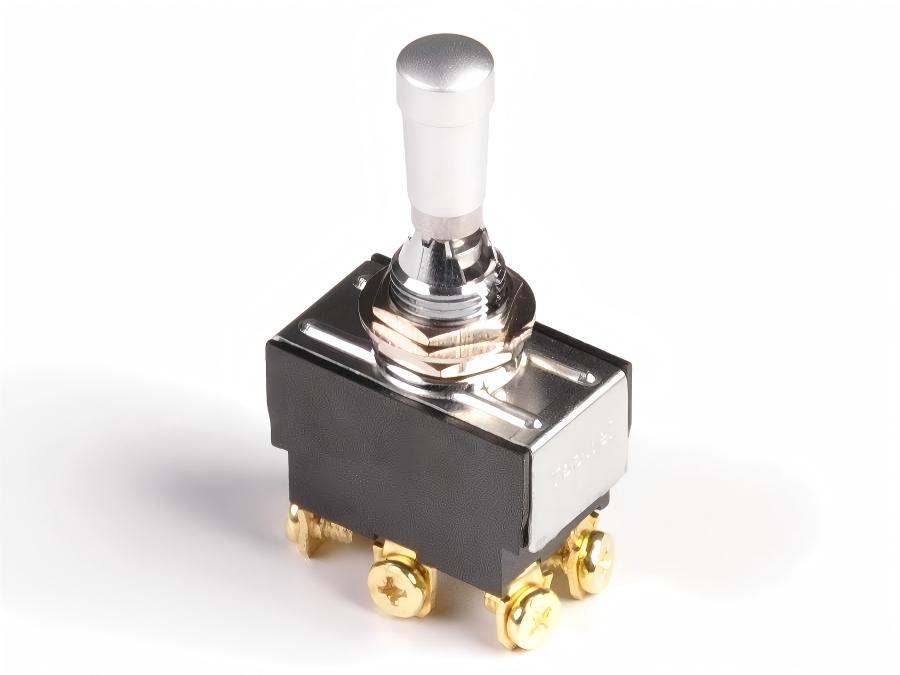
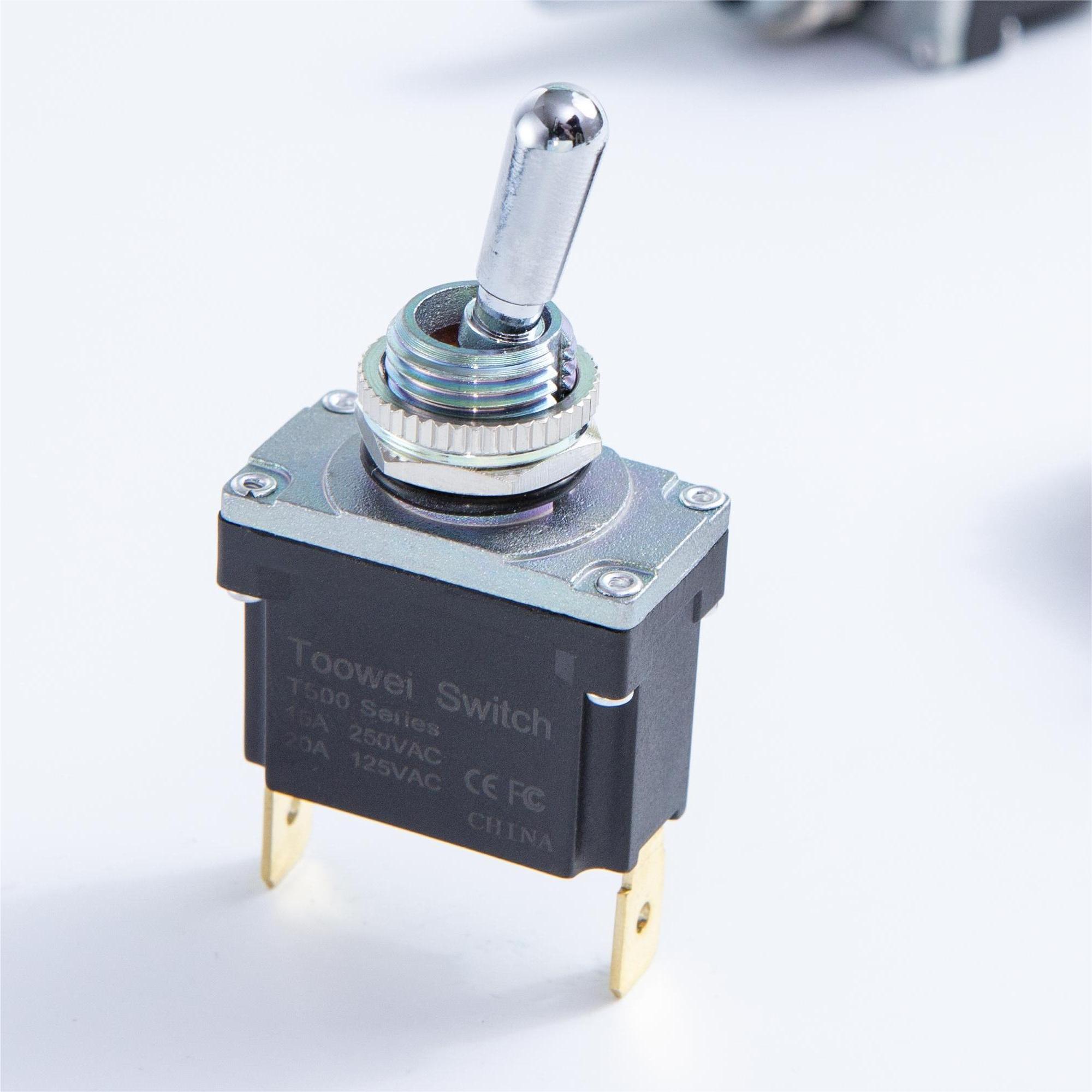
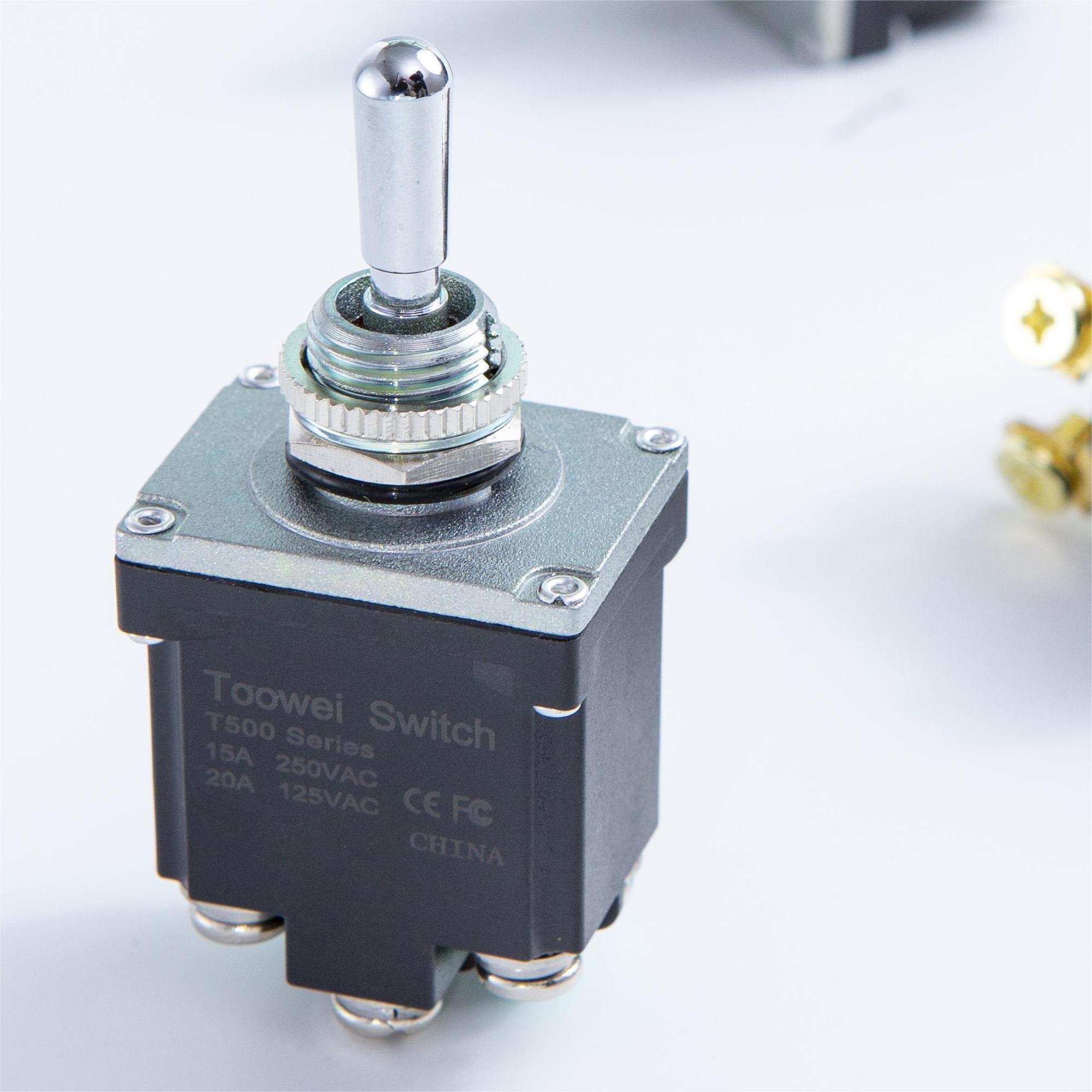
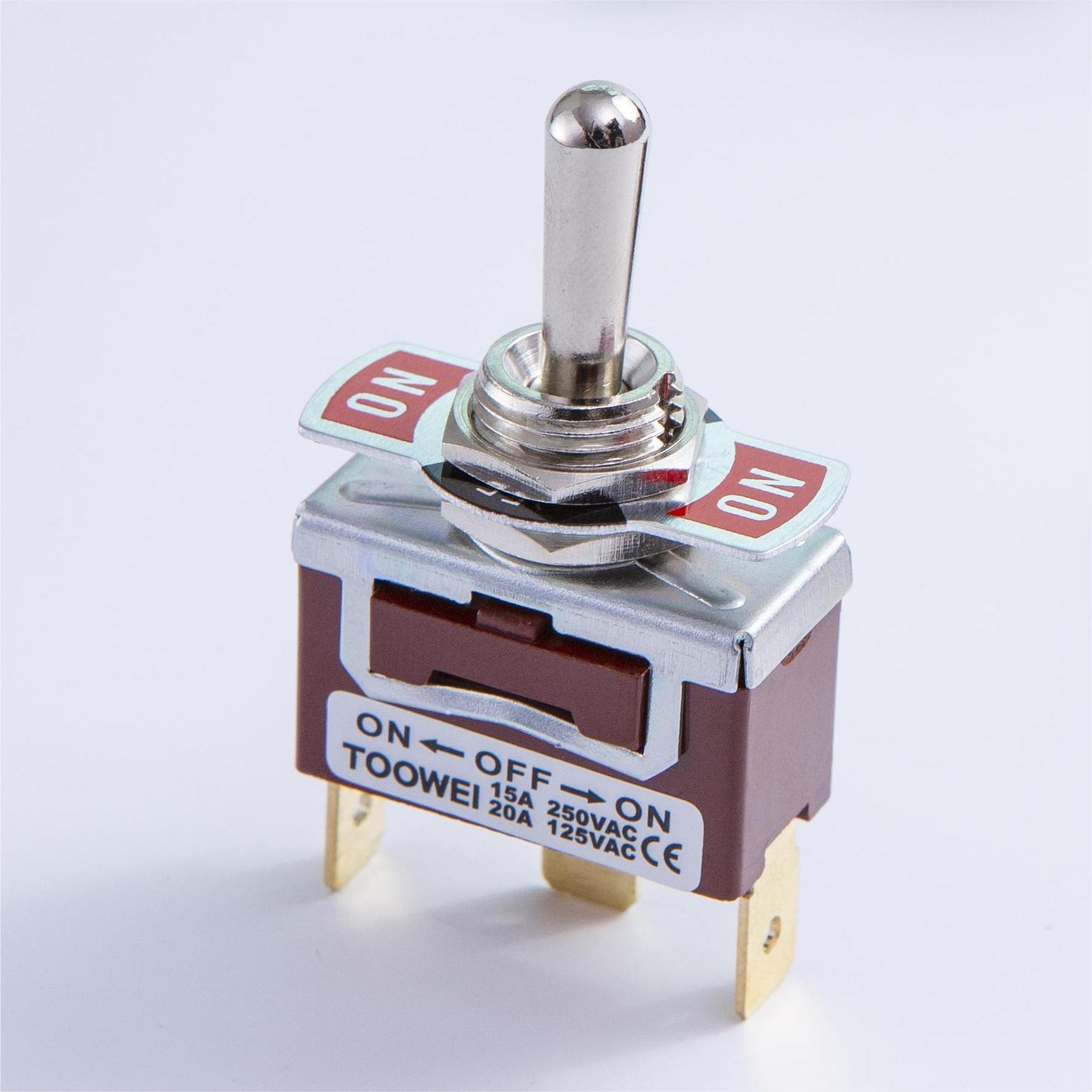
A locking toggle switch is an essential electrical component designed to provide secure on-off control with a mechanical locking mechanism that prevents accidental activation or deactivation. This specialized switch combines the simplicity of traditional toggle switches with advanced safety features, making it ideal for applications where operational continuity and user protection are paramount.
The locking toggle switch functions by maintaining a fixed position once engaged, requiring deliberate manual effort to change states. This mechanism incorporates a spring-loaded or friction-based locking system that holds the switch firmly in place, eliminating unintended position shifts caused by vibration, impact, or accidental contact. The locking toggle switch is engineered with durable materials including reinforced plastic housings and corrosion-resistant metal contacts that withstand repeated cycling and harsh environmental conditions.
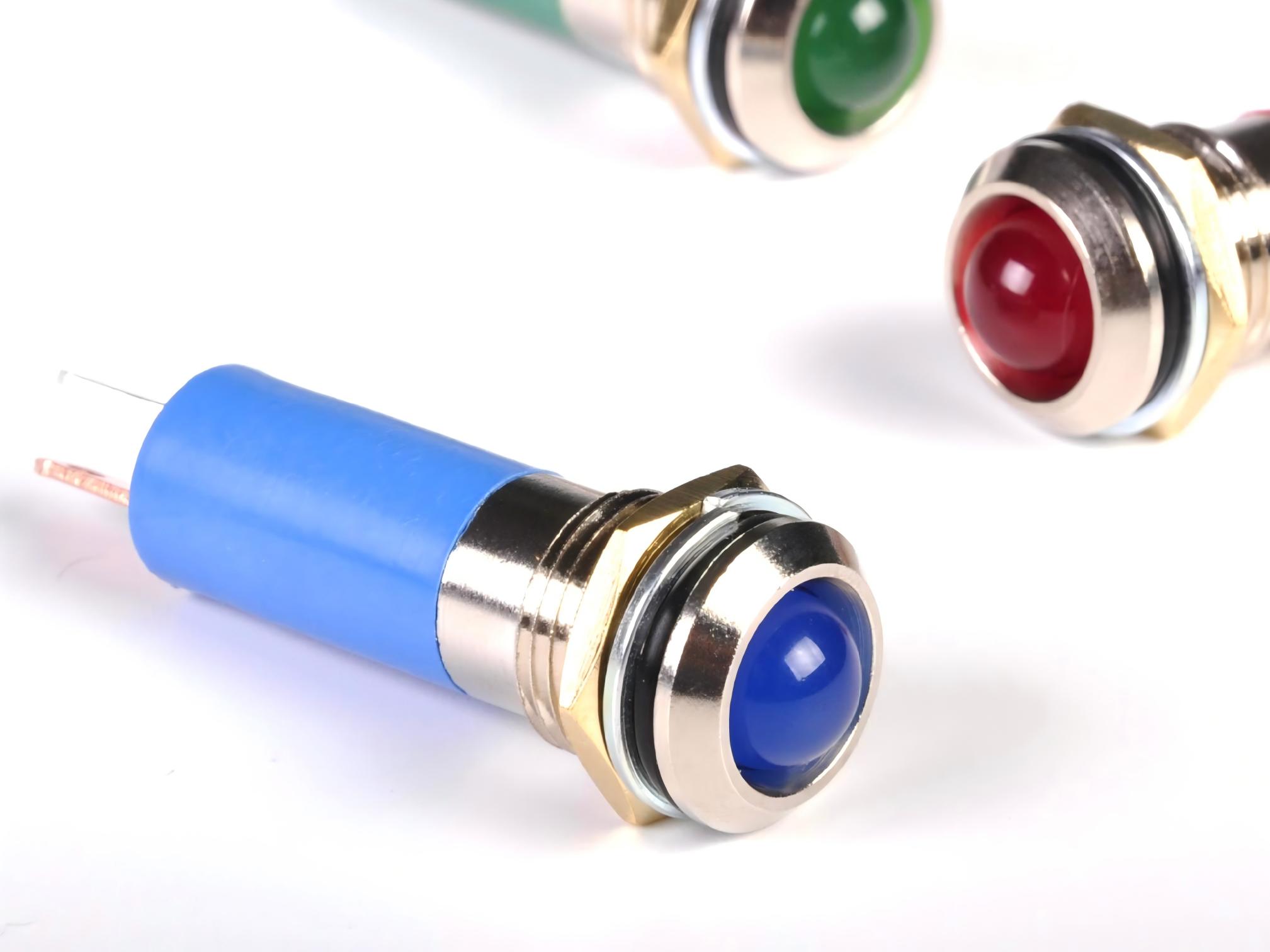
Technologically, the locking toggle switch features multiple contact configurations, ranging from single-pole single-throw to double-pole double-throw designs, accommodating various circuit requirements. The electrical rating typically spans 15-20 amperes at 125 volts, suitable for most residential and light commercial applications. Advanced variants incorporate LED indicators, waterproof seals, and momentary override functions.
Applications for the locking toggle switch are extensive and diverse. Industrial machinery operators rely on these switches for critical equipment shutdown procedures. Emergency stop systems benefit from the locking toggle switch's fail-safe design. Marine vessels, heavy equipment, and control panels frequently integrate this switch type. Medical devices and safety-critical systems also utilize locking toggle switches to prevent unauthorized or accidental operation, ensuring operator safety and equipment protection across numerous industries.


 EN
EN