led pilot light
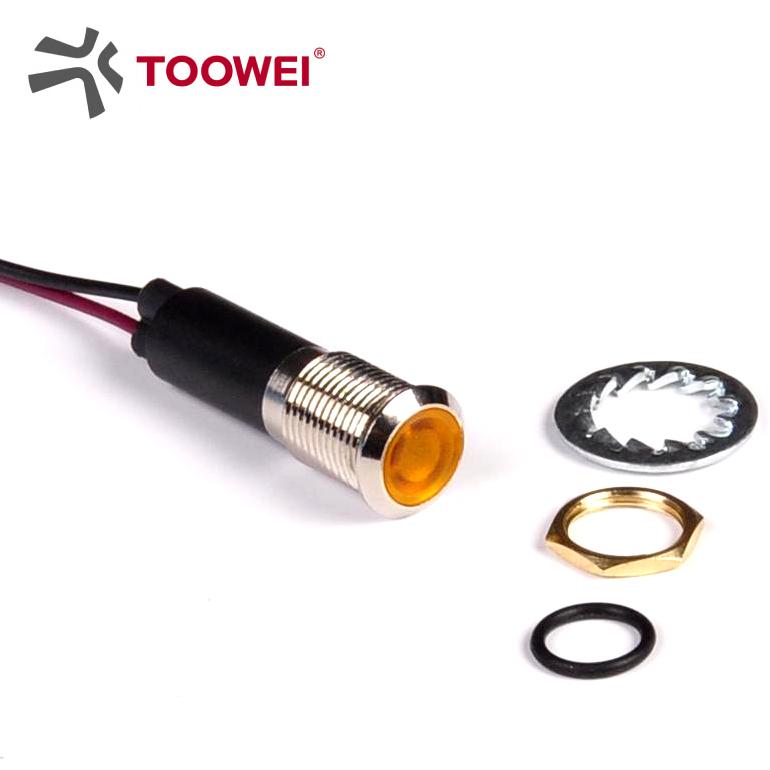
An LED pilot light is a modern indicator device that uses light-emitting diode technology to signal operational status in various electrical and mechanical systems. The LED pilot light serves as a visual confirmation mechanism, informing users whether equipment is powered on, in standby mode, or experiencing an issue. This innovative component has become essential across residential, commercial, and industrial applications due to its superior performance compared to traditional incandescent bulbs.
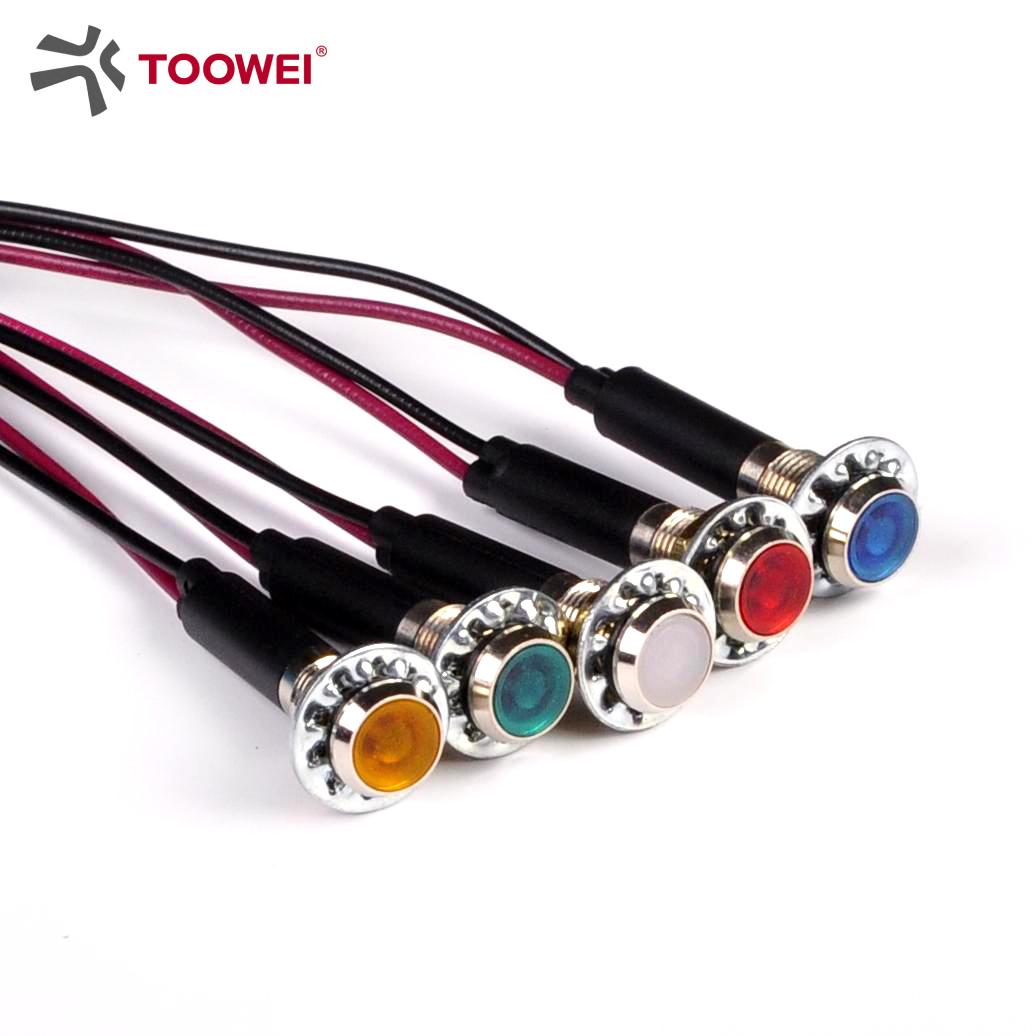
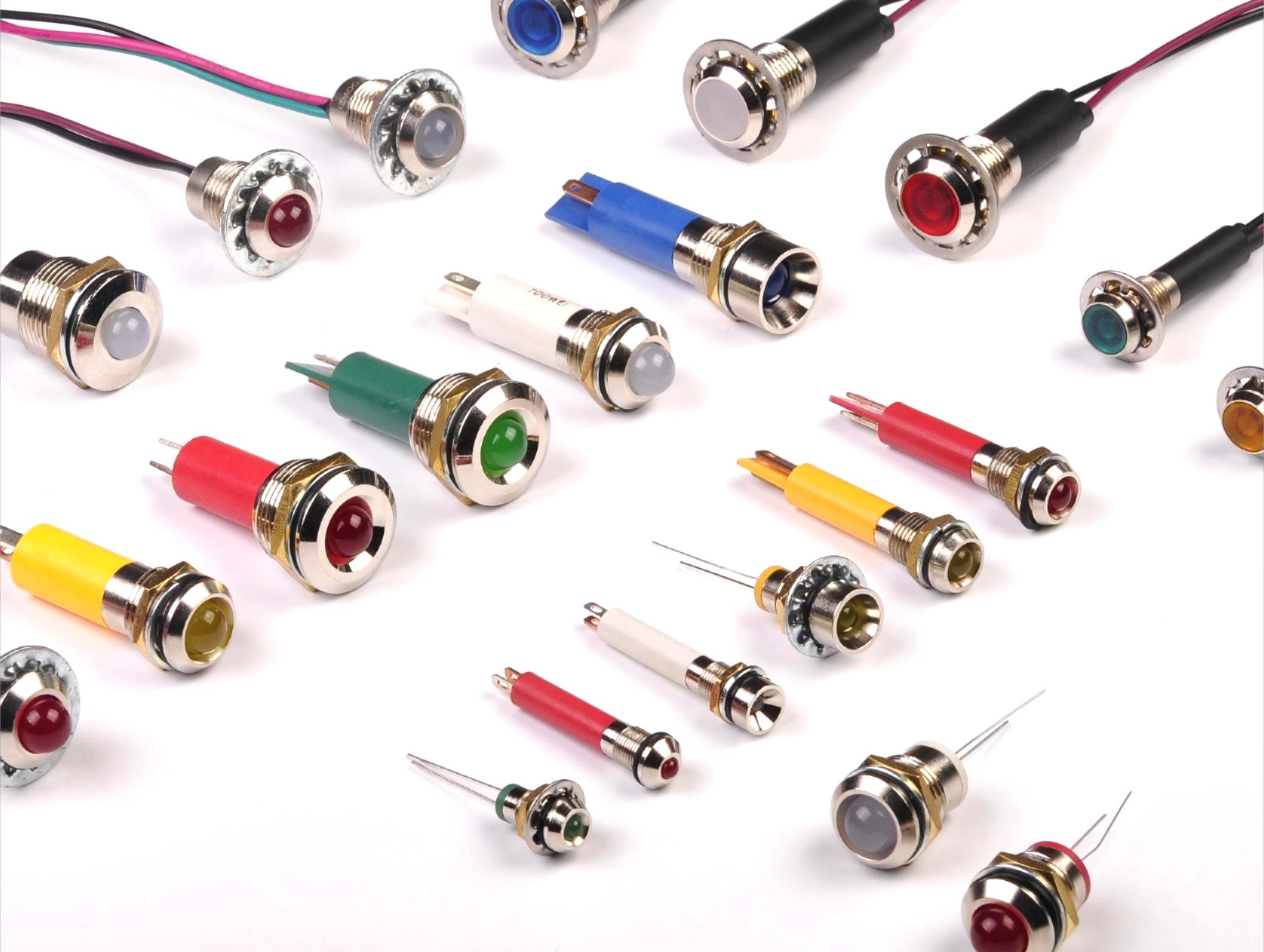
The LED pilot light operates by converting electrical current into visible light through semiconductor technology, consuming minimal power while delivering bright, consistent illumination. The primary function of an LED pilot light is to provide clear visual feedback about device status, reducing confusion and enhancing user safety. Modern LED pilot light designs incorporate various colors including red, green, yellow, and blue, allowing different operational states to be distinguished at a glance.
Technologically, the LED pilot light features extended lifespan, typically lasting 50,000 to 100,000 hours compared to traditional bulbs' 1,000-hour average. The LED pilot light generates minimal heat, making it safer for sensitive environments and reducing fire hazards. These devices maintain consistent brightness throughout their operational life without the dimming associated with conventional pilot lights.
Applications for LED pilot light technology span equipment panels, control systems, alarm indicators, and appliance status displays. Manufacturing facilities, hospitals, data centers, and homes all benefit from LED pilot light reliability and efficiency. The LED pilot light has revolutionized how industries communicate equipment status to operators and maintenance personnel worldwide.


 EN
EN