power light indicator
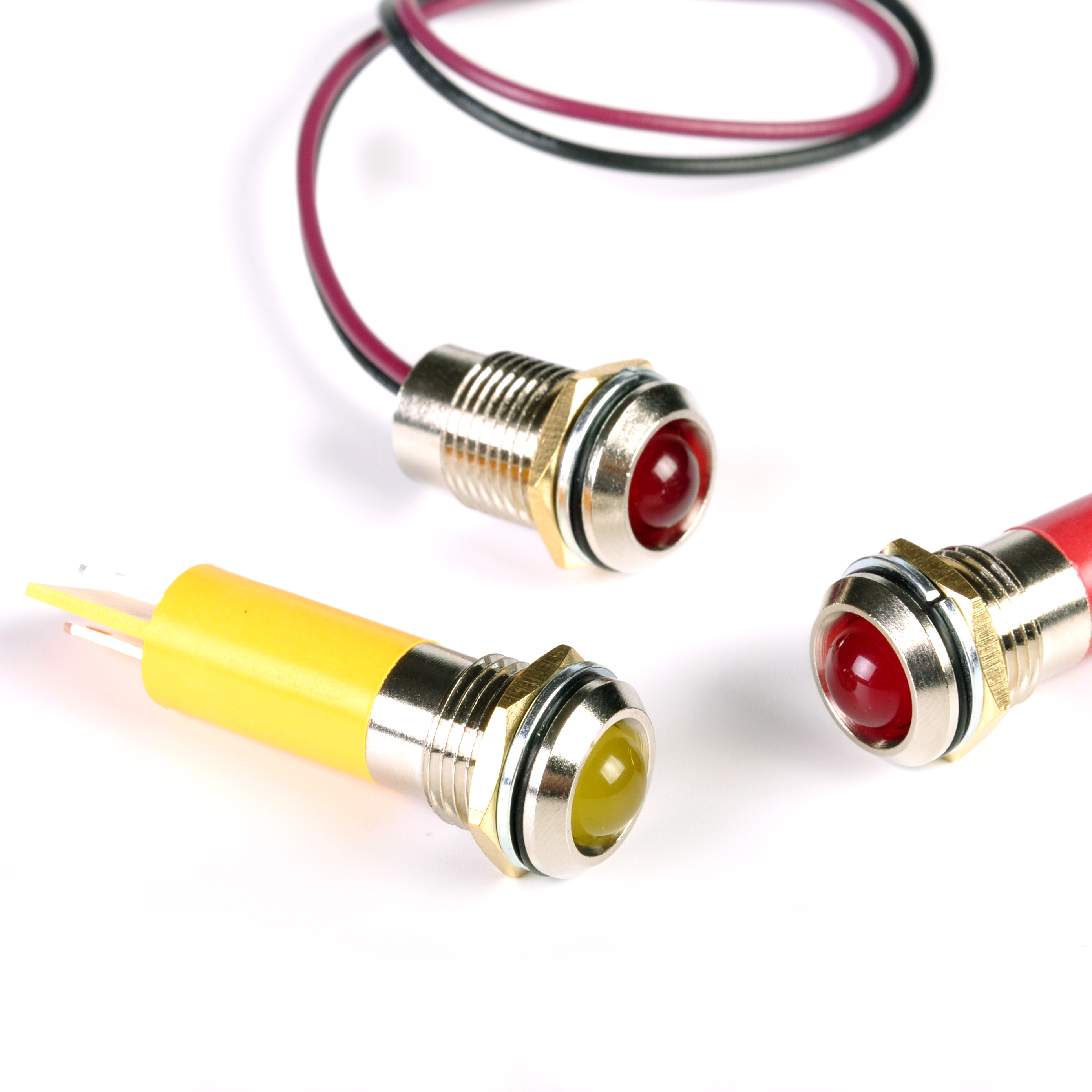
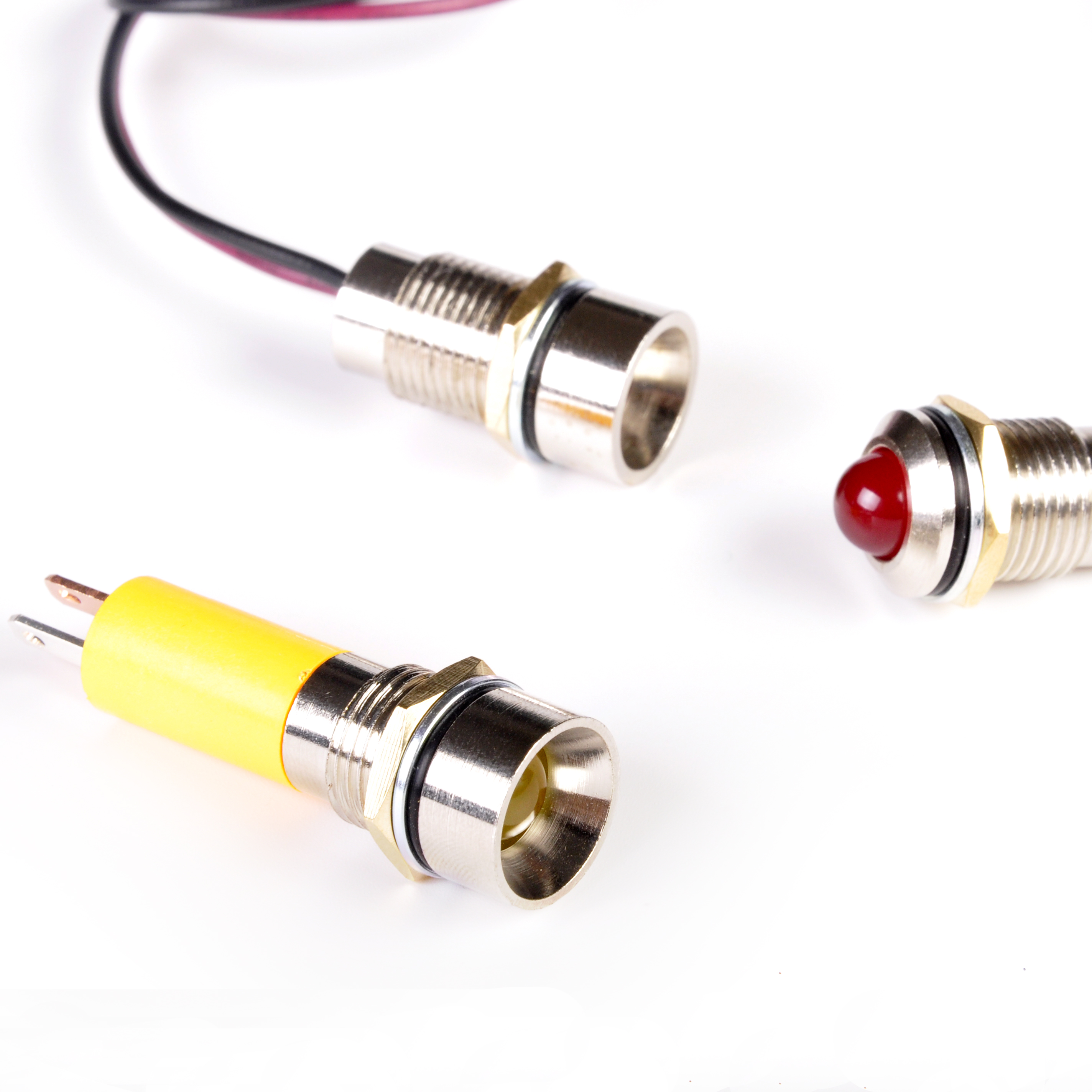
A power light indicator serves as a visual confirmation device that displays the operational status of electrical equipment and devices. This essential component uses LED technology to communicate whether a device is powered on, in standby mode, or experiencing an error condition. The power light indicator functions through a simple yet effective mechanism: when electrical current flows through the circuit, the LED illuminates, providing immediate visual feedback to users without requiring additional interaction.
Modern power light indicators incorporate advanced technological features that enhance their functionality and reliability. These indicators utilize low-power LED bulbs that consume minimal electricity while delivering bright, easily recognizable illumination. The power light indicator typically employs color-coding systems, with green indicating normal operation, amber suggesting standby mode, and red signaling potential issues or malfunctions.
The applications for power light indicators span across numerous industries and consumer products. Computer systems, telecommunications equipment, medical devices, and household appliances all rely on power light indicators to communicate operational status. Industrial machinery uses these indicators to provide quick visual diagnostics of equipment condition. The power light indicator remains indispensable in modern technology because it offers instant, non-intrusive status information that operators and users need for safe and efficient equipment operation. Whether in professional environments or home settings, the power light indicator continues to be a fundamental component of device design and user interface functionality.


 EN
EN