
 EN
EN
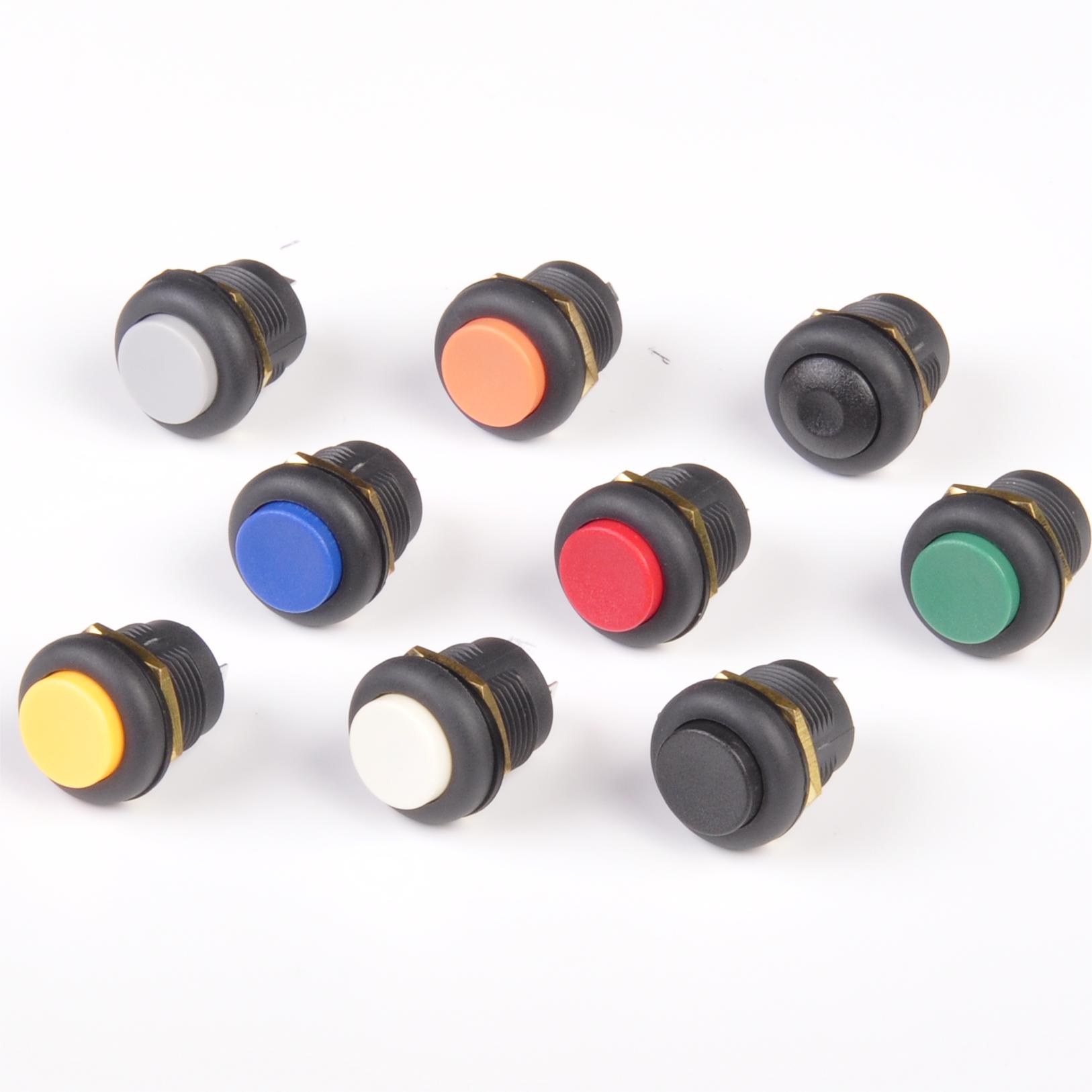
The engineering of industrial control systems demands components that can withstand diverse and demanding working conditions. A push button represents one of the most fundamental yet critical elements in this ecosystem, serving as the primary interface between operators and machinery across countless applications. However, not all push button designs perform equally when exposed to extreme temperatures, corrosive chemicals, moisture, dust, or vibration. Understanding how manufacturers adapt push button technology for different environments is essential for engineers, procurement specialists, and plant managers who need to select the right solution for their operational context.
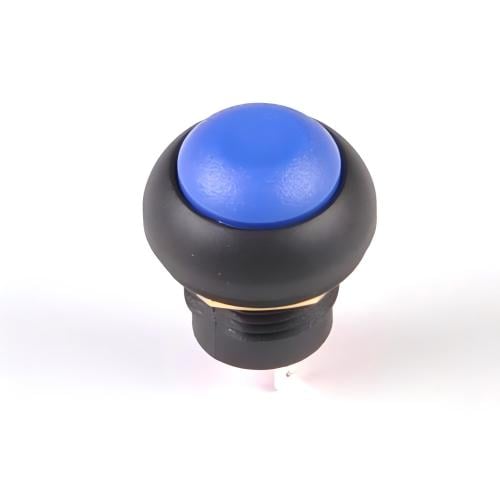
The adaptation of push button technology reflects decades of industrial innovation, where design philosophy shifts based on environmental pressures, regulatory requirements, and operational reliability needs. Whether deployed in food processing facilities with constant washdown cycles, outdoor installations exposed to temperature swings, or hazardous areas requiring explosion-proof certification, each push button must be engineered with specific material selections, sealing strategies, and mechanical considerations to maintain consistent performance and safety.
Material Selection and Chemical Resistance in Push Button Design
Polymer and Elastomer Adaptation
The choice of materials fundamentally determines how a push button behaves across environmental variables. Standard polymeric housings work adequately in controlled indoor environments, but when a push button faces chemical exposure, manufacturers must specify specialized engineering plastics such as polycarbonate or polyamide with enhanced UV stabilization and chemical resistance properties. The actuator cap of a push button experiences direct human contact and environmental exposure, making elastomer selection critical for both durability and tactile feedback. For applications involving petroleum products, solvents, or caustic cleaners, a push button requires fluorocarbon seals and chemically resistant housing materials to prevent degradation and mechanical failure.
Metal Components and Corrosion Protection
In maritime, coastal, or chemical processing environments, the internal metal contacts and springs within a push button must resist corrosion. Manufacturers adapt push button specifications by upgrading to stainless steel contacts, nickel-plated switching elements, and corrosion-inhibiting coatings. A push button deployed in salt-spray conditions requires additional protective layers and material pairings that would be unnecessary in dry indoor settings. The adaption process involves comprehensive environmental testing, where sample push button units undergo accelerated corrosion cycles to validate long-term performance claims before commercial release.
Temperature Extremes and Thermal Compensation in Push Button Systems
High-Temperature Performance and Material Limits
Industrial furnaces, automotive assembly lines, and metalworking operations expose a push button to temperatures far exceeding standard office environments. When engineers design a push button for high-temperature applications, they must account for thermal expansion of housing materials, changes in elastomer properties, and potential shift in contact resistance. A standard push button might fail or exhibit sluggish response at 80°C, whereas specialized high-temperature variants maintain rated performance at 120°C or higher. The adaptation involves selecting materials with higher glass-transition temperatures and designing the push button housing to accommodate expansion without creating binding or play that compromises switching reliability.
Cold Environment Considerations
Conversely, outdoor installations in arctic conditions or refrigerated storage facilities require push button adaptation in the opposite direction. Elastomer compounds become brittle at low temperatures, potentially causing a push button actuator to crack or lose tactile response. Designers address this by formulating low-temperature elastomers and ensuring that metal components maintain adequate flexibility at reduced temperatures. The push button contact resistance must remain stable across the full temperature range, necessitating specialized contact materials and careful thermal simulation during product development. A push button certified for temperatures from minus 40°C to plus 70°C represents a significant engineering achievement compared to standard industrial models.
Sealing Technologies and Moisture Protection for Push Button Reliability
Ingress Protection Ratings and Seal Design
The IP rating system provides a standardized measure of how effectively a push button resists dust and moisture ingress. A basic push button might achieve IP65, indicating protection against water jets, whereas washdown-intensive environments demand a push button with IP67 or IP69K ratings. Achieving these ratings requires multiple sealing layers within the push button design, including primary gaskets around the actuator shaft, secondary seals at the housing interface, and drain passages that prevent water accumulation. The push button manufacturer must validate seal performance through rigorous submersion testing, ensuring that the electrical contacts remain protected even during extended exposure to high-pressure water streams.
Vapor and Condensation Management
Humid environments present a distinct challenge for push button adaptation because moisture can accumulate inside the housing through condensation cycles even if external sealing is adequate. Designers address this by incorporating breather vents with hydrophobic membranes that allow pressure equalization while blocking water penetration, or by selecting potting compounds that encapsulate the switching mechanism. A push button in tropical or underwater-adjacent installations requires this level of moisture management to maintain electrical safety and prevent contact oxidation. Regular maintenance protocols specific to each push button variant help operators ensure continued performance in these challenging environments.
Mechanical Durability and Environmental Stress
Vibration and Shock Resistance
Heavy machinery, transportation equipment, and processing equipment subject a push button to continuous vibration that can loosen mechanical components or degrade internal connections. Specialized push button designs incorporate mechanical damping, reinforced mounting structures, and locking features that prevent component displacement under sustained vibration. The push button actuator stem is reinforced against lateral forces, and the contact assembly is isolated from housing vibrations through elastomeric buffers. Testing a push button for vibration compliance involves multi-axis shaking tables that simulate real operational stresses across frequencies that match the target equipment.
Explosive Atmosphere Certification
In chemical plants, oil refineries, and grain storage facilities, a push button must meet ATEX or IECEx standards for explosive atmosphere safety. This requires a fundamentally different push button architecture that eliminates any potential spark source through contact design, mechanical separation of switching elements, and containment features. An explosion-proof push button is heavier, larger, and more expensive than standard variants, but the adaptation is mandatory for regulatory compliance. Each push button certified for hazardous areas carries specific markings and documentation that identify the exact gases, dust groups, and temperature classes for which it is approved.
FAQ
What is the primary reason push button designs vary across industrial environments?
Push button designs vary because different environments present distinct physical and chemical stresses that standard components cannot withstand. Moisture, temperature extremes, corrosive substances, vibration, and explosive atmospheres each require specialized material selections, sealing strategies, and mechanical engineering to ensure reliable operation and worker safety.
How do manufacturers test push button components for environmental suitability?
Manufacturers employ standardized testing protocols including salt-spray corrosion cycles, thermal cycling, pressure water jet exposure, vibration analysis, and explosive atmosphere simulations. These tests validate that a push button meets specified IP ratings, temperature ranges, and regulatory certifications before being approved for commercial use in specific environmental conditions.
Can a single push button model work effectively across all industrial environments?
No, a single push button model cannot optimize performance across all environments because environmental demands are often contradictory. A push button designed for high-temperature furnaces may not provide adequate chemical resistance for washdown facilities, and an explosion-proof push button would be unnecessarily expensive and bulky for office-based control panels. Selecting the correct push button variant for each application is critical for safety, reliability, and cost-effectiveness.