
 EN
EN
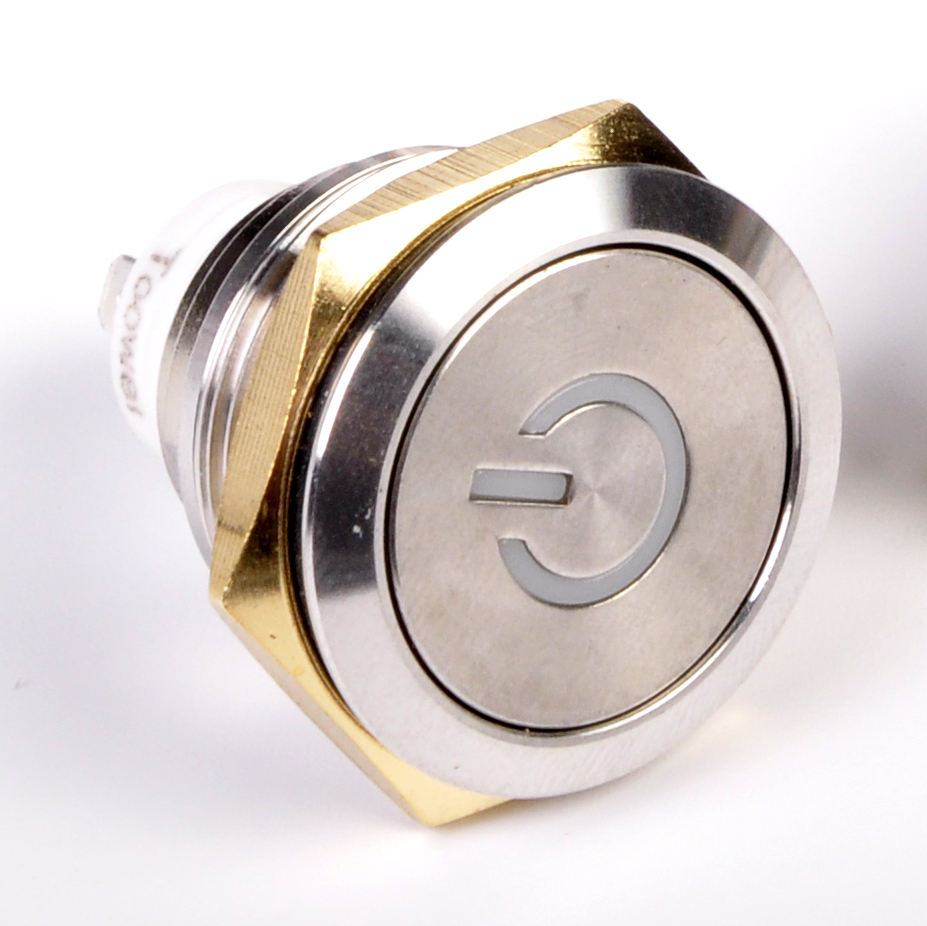
Modern industrial operations depend on equipment that performs consistently under extreme conditions. A push button serves as the interface between operator intent and system response, making its reliability absolutely critical in applications where failure carries significant operational or safety consequences. Understanding which applications demand high reliability push button solutions helps engineers and procurement teams select the right components for mission-critical operations.
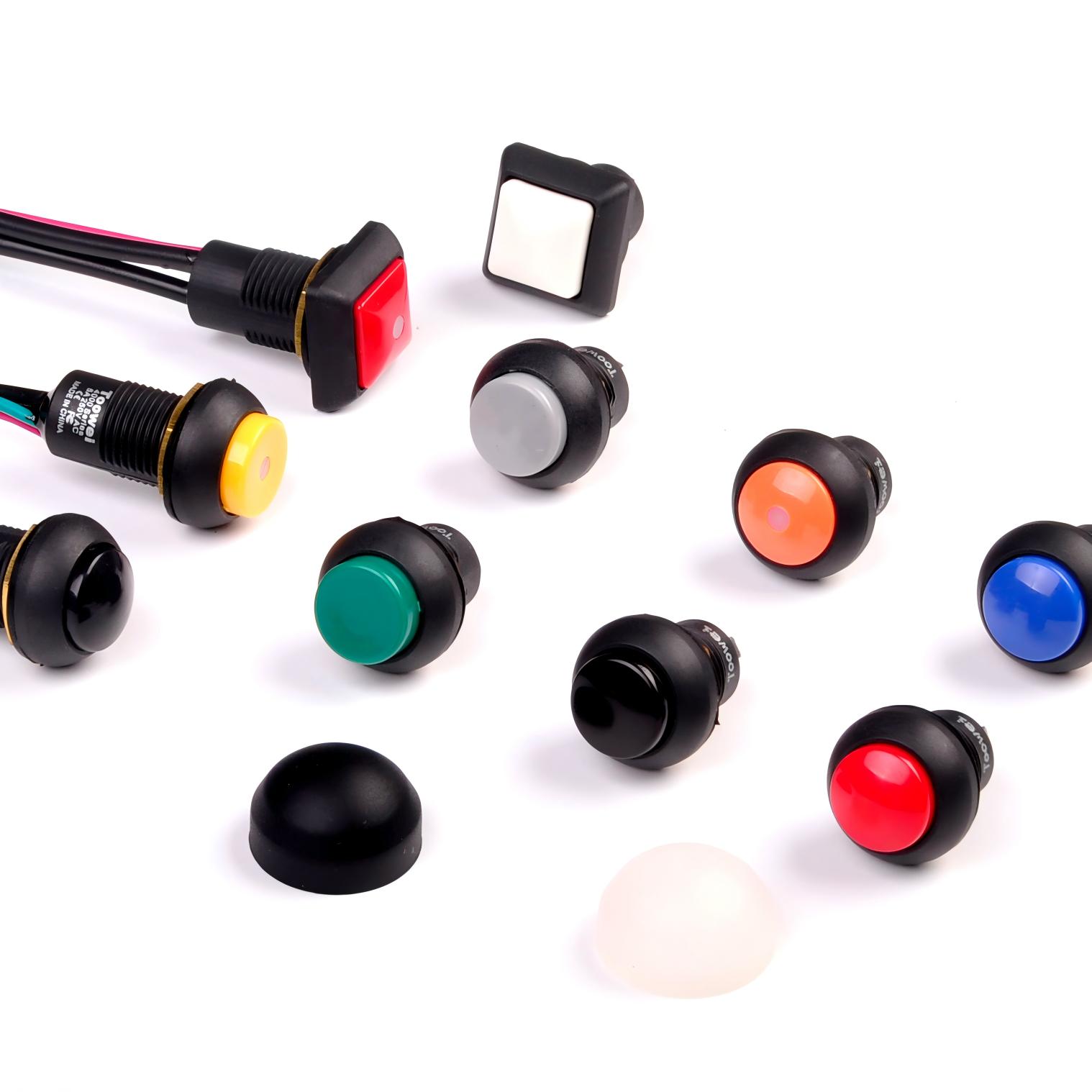
A push button functions as both a mechanical and electrical component, translating physical pressure into controlled electrical signals. High reliability push button solutions are engineered to maintain consistent performance across thousands or millions of actuations, resist environmental contamination, and operate predictably in harsh industrial settings. The push button becomes more than a simple switch in these scenarios; it becomes a critical reliability component whose failure directly impacts productivity, safety, or regulatory compliance.
Critical Applications Demanding High Reliability Push Button Technology
Safety-Critical Industrial Processes
Safety systems in manufacturing facilities, petrochemical plants, and mining operations depend on push button controls that respond instantly and consistently. When an operator presses an emergency stop push button, the system must recognize that input without hesitation. High reliability push button solutions in these environments must withstand repeated use in emergency situations, maintain electrical contact integrity through years of storage, and resist corrosion from harsh chemical atmospheres.
Heavy machinery operations frequently incorporate multiple push button interfaces for movement control, speed adjustment, and safety interlocks. A push button that fails during a critical operation can cause equipment damage, worker injury, or production losses valued in thousands of dollars per hour. This reality drives the demand for industrial-grade push button components engineered with redundant contacts, sealed construction, and materials resistant to oil, solvents, and temperature extremes.
Mission-Critical Infrastructure and Power Systems
Power generation facilities, electrical substations, and telecommunications infrastructure use push button controls for emergency operations, load switching, and maintenance procedures. A push button failure in these environments can cascade into widespread service interruptions affecting thousands of customers. The high reliability push button requirement here stems not only from safety concerns but from the massive financial impact of unplanned downtime.
Backup and emergency systems rely on push button controls that may sit unused for months or years, then must function flawlessly when activated. This unusual operational profile creates specific engineering challenges that standard push button solutions cannot address. High reliability push button designs incorporate special contact materials, protective sealing, and testing protocols that verify performance after extended dormancy periods.
Environmental Conditions Requiring Specialized Push Button Solutions
Extreme Temperature and Humidity Exposure
Industrial ovens, freezers, and outdoor installations subject push button controls to temperature ranges far beyond standard operating limits. Standard push button switches can develop sluggish responses, lose contact tension, or fail completely in these extreme environments. High reliability push button solutions use materials with superior thermal stability, lubricants that function across wide temperature ranges, and housing designs that prevent moisture infiltration regardless of humidity conditions.
Aerospace ground support equipment and high-altitude industrial installations encounter pressure variations and temperature fluctuations that stress conventional push button mechanisms. The push button must maintain consistent actuation force and electrical response despite these environmental pressures. Engineers select high reliability push button components with sealed designs and precision engineering that preserves performance characteristics across the entire operating envelope.
Corrosive Chemical and Washdown Environments
Chemical processing plants, food production facilities, and marine environments expose push button controls to salt spray, corrosive vapors, and frequent washdown procedures. Standard push button materials corrode under these conditions, leading to sticky mechanisms, electrical resistance buildup, and eventual failure. High reliability push button solutions employ stainless steel housings, specialized coating systems, and sealed contact arrangements that prevent corrosive agents from reaching critical mechanical and electrical surfaces.
Food processing and pharmaceutical manufacturing require push button controls that withstand frequent exposure to water, steam, and cleaning chemicals while maintaining hygiene standards. The push button must resist corrosion, prevent bacterial accumulation, and comply with washdown cleaning protocols. High reliability push button designs incorporate sealed membrane keypads or metal switch bodies with completely sealed contact chambers, ensuring that contamination cannot compromise electrical performance.
Regulatory Compliance and Reliability Certification Requirements
Safety Standards and Compliance Mandates
Equipment designed for regulated industries must incorporate push button controls that meet stringent safety and performance standards. Machinery safety directives, electrical equipment safety codes, and industry-specific regulations define minimum reliability requirements for push button components. High reliability push button solutions carry certifications from recognized standards bodies, demonstrating that they meet defined performance thresholds and have undergone rigorous testing protocols.
Machine builders and system integrators selecting push button components for regulated applications must verify that the push button meets applicable safety standards. A high reliability push button typically carries certifications such as UL, CE, IEC, or industry-specific approvals that provide documented evidence of compliance. This certification process adds manufacturing rigor and gives end-users confidence that the push button will perform consistently throughout its lifecycle.
Mean Time Between Failures and Reliability Metrics
Complex industrial systems require push button components with documented reliability metrics, typically expressed as mean time between failures or failure rates per million actuations. High reliability push button solutions provide detailed reliability data based on accelerated life testing, environmental stress screening, and statistical analysis of field performance. These metrics allow engineers to calculate system-level reliability and ensure that push button performance aligns with overall equipment availability requirements.
When a push button fails in a production environment, the financial and operational consequences motivate investment in higher-grade solutions. High reliability push button components may cost more initially, but their superior performance reduces unplanned maintenance events, extends mean time between failures, and ultimately delivers lower total cost of ownership. This calculation becomes more compelling as system complexity increases and downtime costs escalate.
FAQ
Which industrial sectors most commonly require high reliability push button solutions?
Aerospace, defense, power generation, petrochemical, pharmaceutical, food processing, and heavy manufacturing industries consistently demand high reliability push button components. Any sector where equipment failure creates safety risks, regulatory violations, or substantial financial losses prioritizes push button reliability. These industries invest in premium push button solutions because the cost of failure far exceeds the incremental cost of selecting superior components.
How do high reliability push button solutions differ from standard commercial switches?
High reliability push button products incorporate enhanced sealing, superior materials, redundant contacts, and rigorous testing protocols that exceed standard commercial specifications. While a standard push button may offer adequate performance in benign office or light commercial environments, a high reliability push button is engineered to maintain performance through thousands of actuations in harsh conditions. The push button undergoes environmental testing, accelerated life testing, and documentation that provides predictable performance data.
What factors should engineers consider when selecting push button solutions for critical applications?
Engineers evaluating push button options should assess environmental conditions, required actuation force and travel, electrical load requirements, expected frequency of use, and applicable regulatory standards. The selected push button must demonstrate reliability credentials through published specifications and certifications. Consider whether the push button needs sealed construction, stainless steel housing, chemical resistance, or specialized contact materials. Verify that the push button supplier provides technical documentation supporting the reliability claims and offers responsive technical support.