
 EN
EN
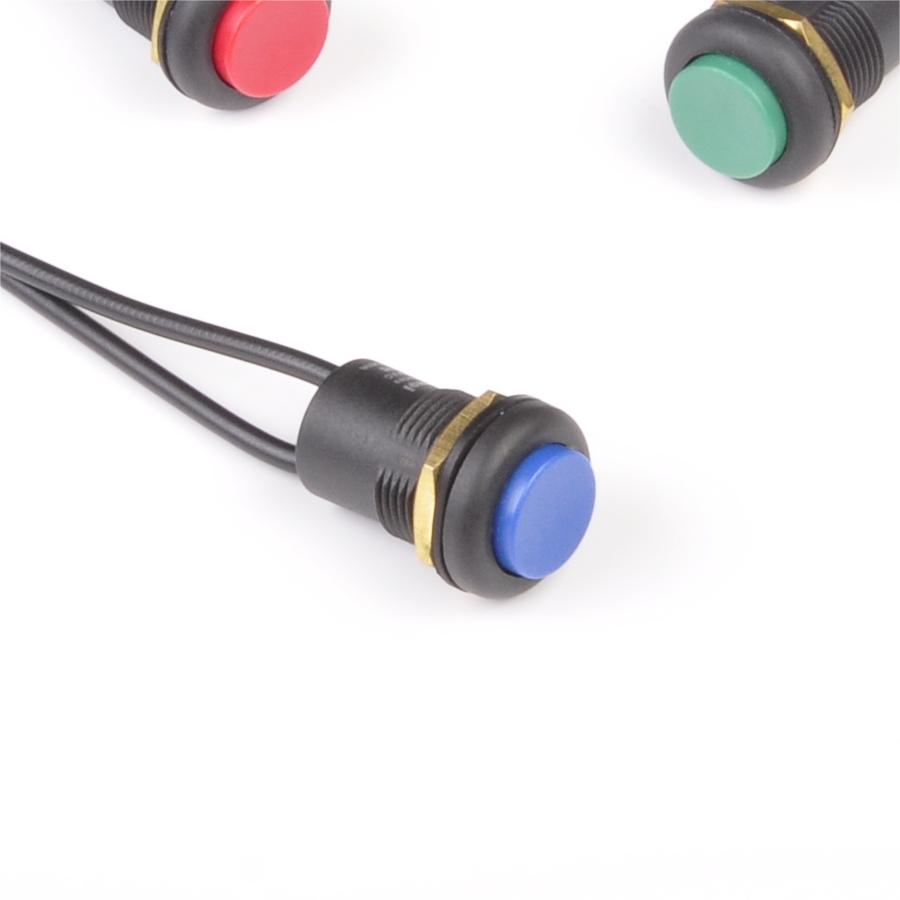
The reliability of a push button during continuous operation depends on multiple interconnected factors that determine how long the component will function effectively under demanding conditions. Understanding these factors is essential for engineers and procurement specialists who need to select push button solutions that meet rigorous industrial performance standards. Push button switches face significant stress when deployed in environments requiring constant activation cycles, exposure to temperature fluctuations, and exposure to electromagnetic interference. The performance characteristics of a push button directly impact production efficiency, system safety, and long-term operational costs across manufacturing, automation, and control systems.
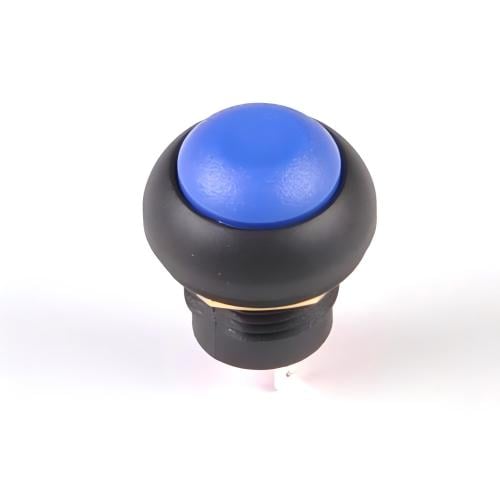
During continuous operation, a push button experiences wear patterns that accumulate incrementally across millions of activation cycles. The mechanical and electrical stresses placed on a push button switch demand careful attention to material composition, contact design, and operating environment specifications. Industrial applications ranging from assembly line controls to emergency stop systems rely on push button consistency and predictable failure modes. Engineers must evaluate how each performance factor contributes to the overall lifespan and reliability of the push button in their specific use case.
Mechanical Durability and Contact Material Selection
Impact of Contact Material on Push Button Longevity
The contact material used in a push button directly influences how many activation cycles the switch can tolerate before experiencing performance degradation. Noble metals like silver alloy and gold-plated contacts provide superior conductivity and resistance to corrosion compared to standard copper or brass alternatives. A push button with premium contact materials maintains consistent electrical performance even after hundreds of thousands of cycles. The contact material also determines how a push button responds to arcing, which occurs when the switch opens under electrical load and can cause material erosion over time.
Mechanical Wear Patterns in Continuous Push Button Operation
Continuous operation exposes a push button to mechanical wear that accumulates at contact surfaces, spring mechanisms, and housing interfaces. Each activation cycle subjects the push button to micro-movements that gradually modify the physical dimensions and alignment of internal components. When a push button operates millions of times, the cumulative effect of these small deviations can eventually cause contact resistance to increase and responsiveness to decline. Manufacturers design high-performance push button switches with hardened materials and precision tolerances to minimize this wear progression and extend the useful life of the switch.
Electrical Performance and Thermal Stability
Electrical Load Characteristics Affecting Push Button Performance
The electrical load rating of a push button determines how effectively it can switch current without generating excessive heat or arc damage at the contacts. Higher amperage requirements demand that a push button be specifically rated for those load conditions, as undersized switches will experience accelerated contact degradation and potential failure. A push button designed for continuous switching at rated electrical loads maintains stable contact resistance and reliable operation across its intended lifespan. When actual load exceeds the push button rating, contact erosion accelerates dramatically and the switch may fail prematurely or develop intermittent connectivity issues.
Thermal Stress and Heat Dissipation in Push Button Switches
Temperature fluctuations during continuous operation impose thermal stress on every component within a push button assembly, from the contacts themselves to the plastic housing and internal springs. Ambient temperature variations, heat generated by electrical load, and radiant heat from surrounding equipment all contribute to thermal cycling of the push button. Each cycle of heating and cooling causes microscopic expansion and contraction that gradually loosens mechanical connections and changes contact pressure. A push button with superior thermal stability maintains consistent performance across the full operating temperature range specified for the application, ensuring predictable behavior from startup through extended operational periods.
Environmental Factors and Application Context
Contamination and Moisture Effects on Push Button Reliability
Environmental contamination including dust, moisture, and chemical vapors presents a major threat to push button performance during continuous operation in harsh industrial environments. Moisture intrusion can cause corrosion of contacts, increase leakage current, and introduce parasitic resistive elements that degrade electrical switching performance. A push button deployed in dusty environments experiences gradual accumulation of particles that can interfere with mechanical movement and electrical conductivity. Sealed and rated push button designs protect internal components from environmental exposure and maintain consistent performance even in challenging conditions where unprotected switches would fail rapidly.
Operational Frequency and Duty Cycle Requirements
The frequency at which a push button must cycle during operation directly determines the stress it experiences and the expected service life before replacement becomes necessary. Continuous high-frequency cycling demands a push button specifically rated for such duty, with robust contact materials and mechanical construction capable of withstanding extreme repetition cycles. Industrial applications might require a push button to activate hundreds or even thousands of times per hour, creating cumulative stress that distinguishes high-duty operation from intermittent or light-duty usage patterns. Selecting a push button matched to the actual duty cycle prevents premature failure and ensures the control system maintains reliability throughout its intended service interval.
FAQ
How does contact pressure affect push button performance during continuous operation?
Contact pressure within a push button directly influences how effectively the switch completes electrical circuits and resists resistive degradation. Higher contact pressure reduces electrical resistance at the contact interface and minimizes the likelihood of intermittent connections that plague worn switches. However, excessive contact pressure increases mechanical stress on the push button spring mechanism and accelerates wear. Manufacturers carefully calibrate spring force in each push button design to balance electrical performance against mechanical durability across the intended cycle life.
What role does connector design play in push button performance during extended use?
The connector design of a push button impacts how securely electrical connections are maintained and how effectively heat is dissipated away from sensitive contact areas. Poor connector design can trap moisture and contaminants that degrade push button performance over time. A robust connector design ensures consistent electrical conductivity and allows the push button to maintain rated performance specifications throughout millions of activation cycles. Connectors featuring gold-plated contacts or other corrosion-resistant materials provide superior performance in continuous operation scenarios where maintaining electrical integrity is critical.
How can engineers predict when a push button will require replacement?
Engineers can establish replacement intervals by multiplying the rated cycle life specification of a chosen push button by its daily activation frequency to calculate expected service life in operational hours. push button manufacturers provide detailed specifications indicating how many cycles a specific model can tolerate before contact resistance exceeds acceptable limits. Monitoring actual push button performance through periodic electrical testing helps detect degradation trends and enables predictive maintenance scheduling. Adding redundancy through backup push button systems in critical control circuits provides additional safety margin when continuous operation demands absolute reliability.