
 EN
EN
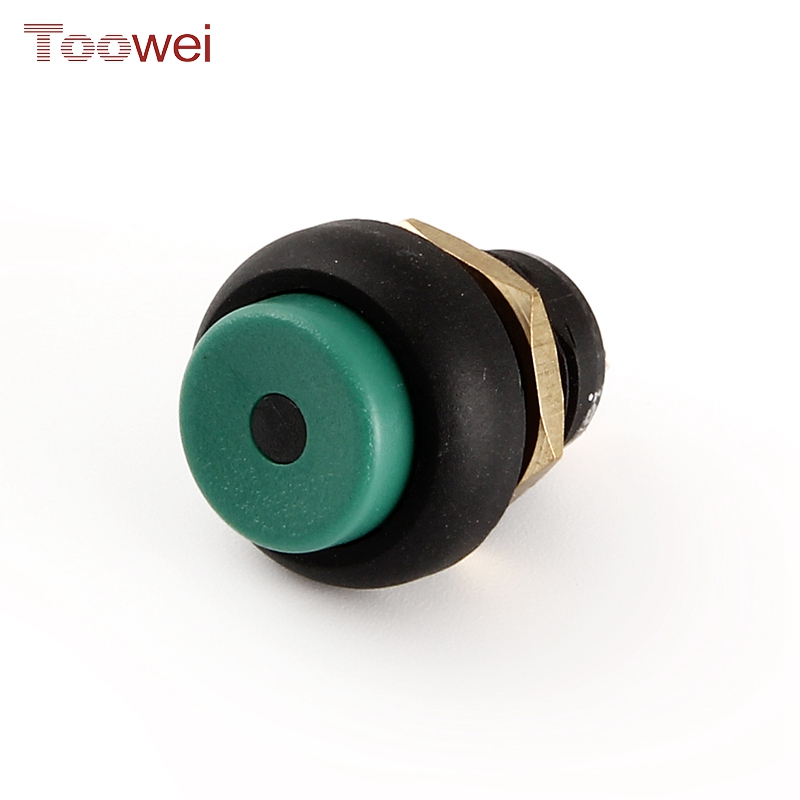
Push button light switches have become fundamental components in modern equipment panels across industrial, medical, manufacturing, and commercial environments. These switches provide intuitive operator control, reliable electrical switching, and durable performance in demanding conditions. Understanding how push button light switches function within equipment panels is essential for engineers, panel builders, and facility managers who design, maintain, or operate sophisticated machinery and control systems.
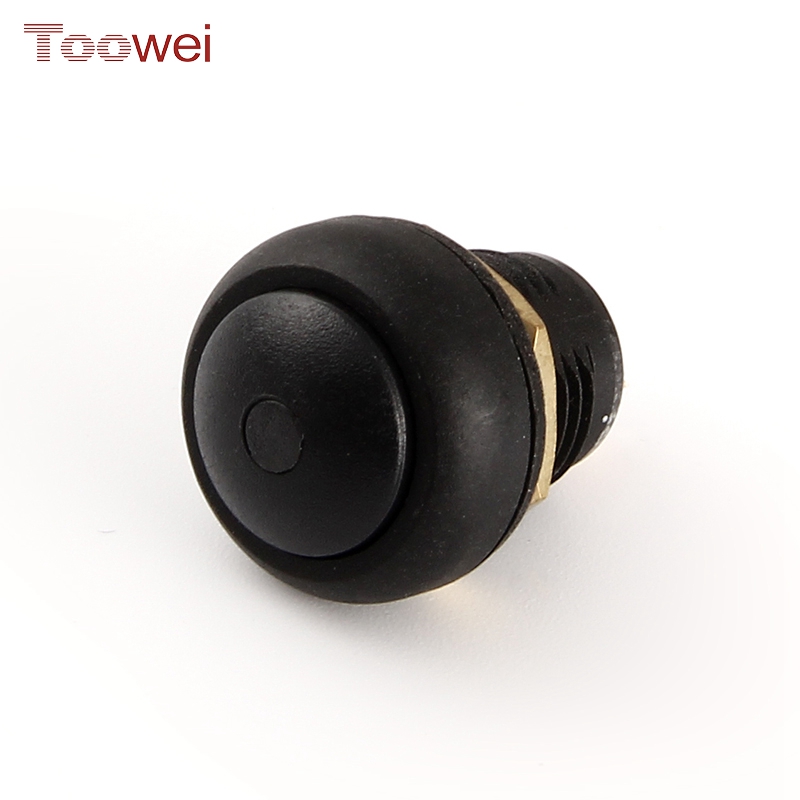
The integration of push button light switches into modern equipment panels represents a critical balance between user ergonomics, safety compliance, and electrical reliability. Modern equipment panels must accommodate multiple control functions, indicator states, and emergency stop requirements, making push button light switches an essential element of panel design. These switches enable operators to activate lighting circuits, signal status changes, and trigger specific equipment functions with simple, repeatable actions.
Fundamental Role of Push Button Light Switches in Panel Design
Operator Interface and Control Architecture
Push button light switches serve as the primary human-machine interface in modern equipment panels. When operators need to activate lighting circuits or initiate equipment functions, push button light switches provide tactile feedback and immediate visual confirmation through illuminated indicators. This direct physical feedback is critical in industrial environments where operators must maintain constant awareness of system status without relying solely on digital displays.
The placement and arrangement of push button light switches within equipment panels directly influence operator efficiency and safety. Panel designers must consider ergonomic positioning, color coding standards, and logical grouping of push button light switches to minimize operational errors. In modern manufacturing facilities, equipment panels with well-organized push button light switches reduce training time and improve response times during critical operations or emergency situations.
Electrical Switching and Circuit Integration
From an electrical perspective, push button light switches operate by completing or interrupting circuits when pressed. Modern push button light switches typically feature internal contacts that engage momentarily or maintain position based on design specifications. These push button light switches integrate into control circuits through direct wiring to lighting loads, relay coils, programmable logic controllers, or distributed control systems.
Equipment panel architects must select push button light switches with appropriate electrical ratings to match circuit requirements. Push button light switches used in industrial panels often require higher voltage and current ratings compared to standard commercial applications. The specification of push button light switches must account for inrush currents, duty cycles, and thermal management to ensure long-term reliability and prevent premature failure.
Design Considerations for Modern Equipment Panels
Safety Standards and Compliance Requirements
Modern equipment panels must comply with international safety standards that directly influence push button light switches selection and installation. Push button light switches used in industrial environments must meet standards such as IEC 61076 for connector safety, IEC 61984 for emergency stop devices, and machine safety directives that govern control panel design. These push button light switches must provide fail-safe operation, preventing unintended activation and ensuring emergency stopping capability when required.
Red push button light switches commonly serve emergency stop functions, while push button light switches in other colors indicate normal operating functions. Color-coded push button light switches help operators quickly identify critical controls without requiring detailed instruction. Modern equipment panels increasingly integrate push button light switches with redundant contact systems to prevent single-point failures that could compromise safety.
Environmental Adaptation and Durability
Equipment panels operate in diverse environments ranging from clean manufacturing facilities to harsh industrial settings with moisture, dust, and temperature extremes. Push button light switches must withstand these conditions while maintaining consistent performance over extended operational lifespans. Modern push button light switches feature sealed housings, corrosion-resistant materials, and stainless steel or polycarbonate construction to ensure durability.
The ingress protection rating of push button light switches determines their suitability for specific panel environments. IP67-rated push button light switches can be temporarily submerged in water, making them suitable for washdown environments in food processing or chemical facilities. IP65-rated push button light switches resist water jets and dust, serving applications like outdoor equipment panels or vehicle-mounted control systems. Selecting push button light switches with appropriate protection ratings ensures reliable operation throughout the equipment panel's service life.
Practical Applications and Implementation Patterns
Integration with Lighting Control Circuits
In modern equipment panels, push button light switches directly control illumination of work areas, machine components, or status indicators. Pressing a push button light switch energizes a lighting circuit, illuminating LED arrays, indicator lamps, or display panels that communicate equipment status to operators. Multiple push button light switches within a single panel may control different lighting zones, creating a comprehensive visual communication system.
Dimming functionality can be incorporated into equipment panels through specialized push button light switches that integrate with variable-frequency drives or programmable lighting controllers. These advanced push button light switches enable operators to adjust lighting intensity based on operational requirements, reducing energy consumption and improving visual ergonomics. Modern equipment panels increasingly feature push button light switches with integrated feedback systems that confirm lighting adjustments and prevent accidental changes.
System Coordination and Automation Integration
Contemporary equipment panels connect push button light switches to programmable logic controllers and supervisory systems that coordinate multiple operational functions. When operators activate push button light switches, signals propagate through industrial networks to trigger lighting changes, equipment sequencing, or alarm notifications. This automation integration allows push button light switches to participate in complex control workflows without requiring manual intervention between sequential operations.
Remote monitoring systems increasingly track push button light switches activation patterns to identify operational trends and predict maintenance needs. Equipment panel designers incorporate push button light switches with feedback capabilities that report button state changes to central monitoring systems. This data-driven approach to push button light switches management enables predictive maintenance and improved equipment availability in mission-critical industrial environments.
FAQ
What determines the proper electrical rating for push button light switches in equipment panels?
The electrical rating of push button light switches must match the voltage, current, and power factor requirements of the lighting circuits they control. Push button light switches used with LED loads require lower contact ratings than traditional incandescent circuits because LEDs draw minimal inrush current. Panel engineers must calculate peak current requirements, including inrush currents for lighting loads, and select push button light switches with ratings exceeding these peak values by a safety margin to ensure reliable switching performance.
How do push button light switches improve safety in industrial equipment panels?
Push button light switches enhance safety through tactile feedback that confirms operator input, reducing mistakes during critical operations. Color-coded push button light switches enable quick identification of emergency stop controls and normal operating functions without requiring verbal instruction or training. Modern push button light switches with redundant contact systems provide fail-safe operation that prevents dangerous conditions if individual contacts wear prematurely, significantly reducing equipment downtime and injury risks in industrial settings.
Can push button light switches be retrofitted into existing equipment panels?
Retrofitting push button light switches into existing equipment panels is possible when panel space permits and electrical circuits support the new switches. Technicians must verify that push button light switches match the electrical requirements of existing circuits and comply with current safety standards applicable to the equipment. Retrofit installations of push button light switches may require reconfiguring internal wiring and updating control logic to ensure seamless integration with existing automation systems and safety protocols.