
 EN
EN
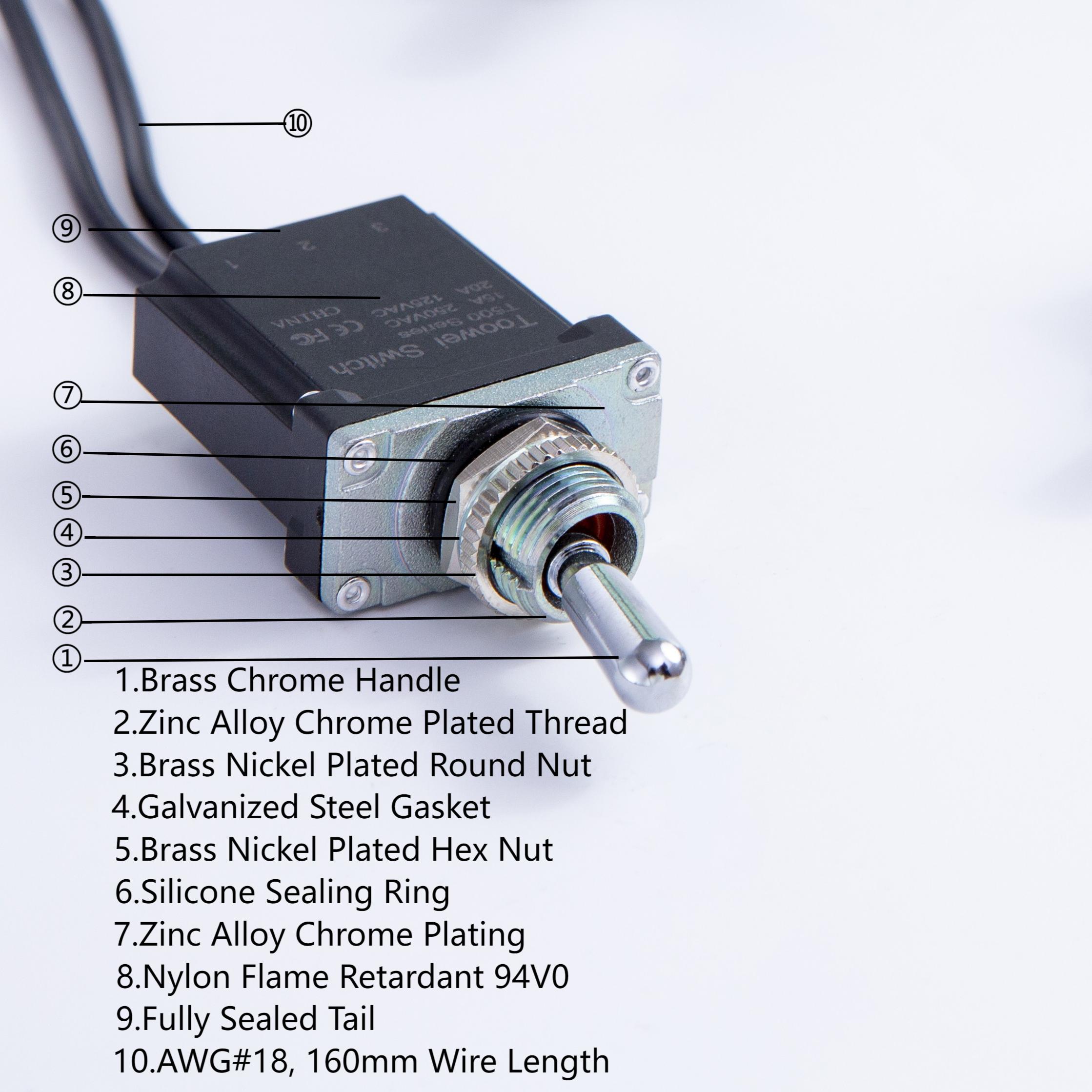
A switch manufacturer faces constant pressure to deliver products that perform consistently under demanding conditions. Whether serving automotive, industrial, or consumer electronics markets, every switch manufacturer must establish rigorous processes that guarantee reliability from production to end-use application. Reliability standards are not optional—they define a switch manufacturer's reputation, customer trust, and competitive position in the marketplace.
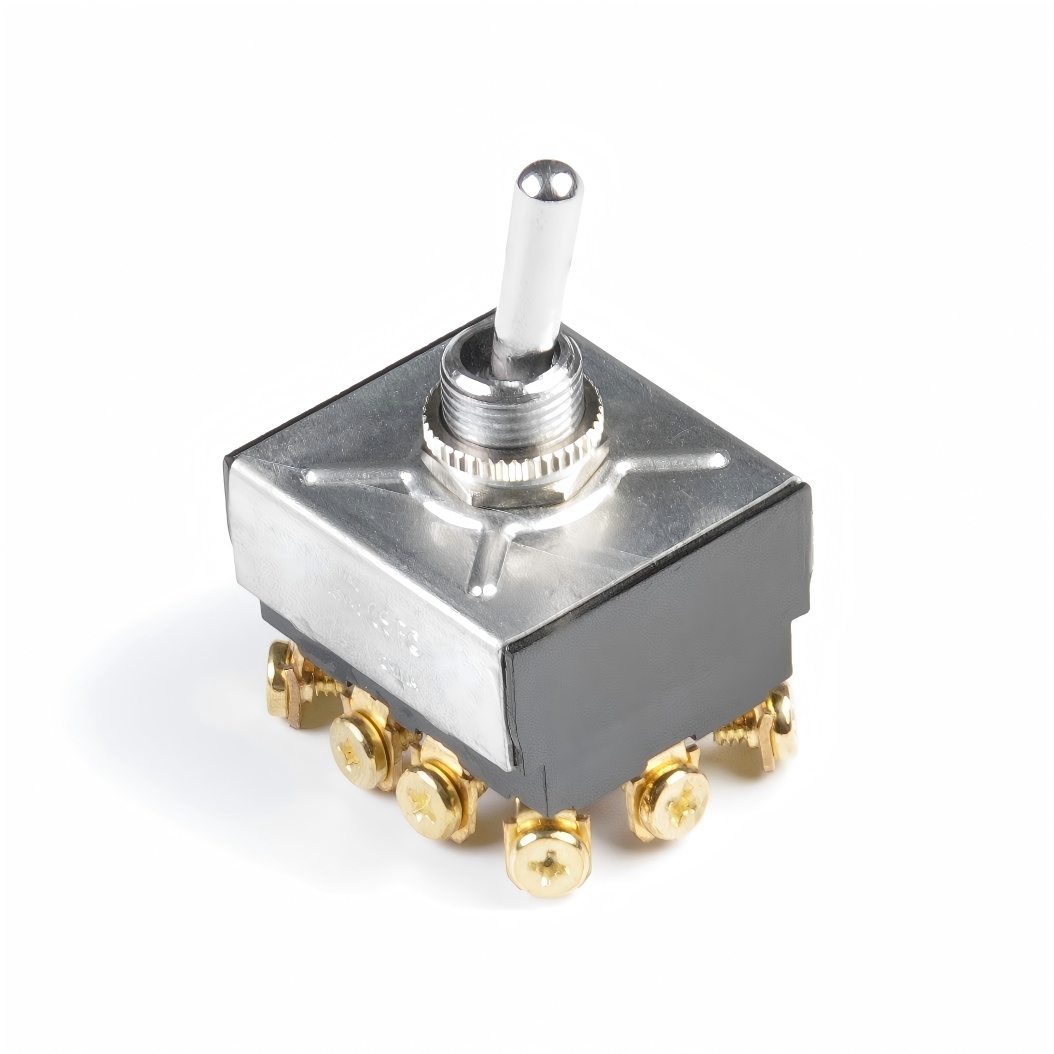
The process of ensuring reliability extends far beyond simply assembling components. A switch manufacturer must integrate quality control at every manufacturing stage, from raw material selection through final packaging and shipment. This comprehensive approach ensures that each switch leaving the production line meets or exceeds the performance expectations of demanding industrial applications and critical end-user environments.
Material Selection and Component Verification
Understanding Base Material Requirements
Every reliable switch manufacturer recognizes that quality begins with the right materials. Contacts, springs, and housing materials must be selected based on the specific electrical environment, current load, and environmental exposure the switch will encounter. A switch manufacturer cannot achieve reliability by using generic or cost-cut materials; each component must be sourced from verified suppliers with documented material certifications and performance data.
The switch manufacturer establishes material specifications that define alloy composition, mechanical properties, corrosion resistance, and electrical conductivity thresholds. These specifications become part of the incoming inspection protocol. Every batch of raw materials is tested and verified against established standards before entering the manufacturing process. This upstream control prevents defective components from affecting downstream production quality.
Incoming Inspection and Supplier Audits
A responsible switch manufacturer conducts regular audits of material suppliers to ensure consistent quality and traceability. Supplier audits verify that manufacturers maintain stable processes, proper documentation, and adherence to agreed specifications. When a switch manufacturer partners with reliable suppliers, the entire supply chain becomes more resilient and capable of meeting stringent reliability demands.
Incoming inspection procedures require documented testing of representative samples from each material shipment. Testing includes visual inspection, dimensional verification, and material property validation such as tensile strength or resistance measurements. The switch manufacturer maintains records of all test results, creating a complete audit trail that enables rapid response if any material batch shows deviation from standard performance.
Manufacturing Process Control and Quality Assurance
Precision Assembly and Process Standardization
Manufacturing consistency is foundational to how a switch manufacturer ensures reliability. Every assembly operation must be standardized, documented, and monitored to prevent variation that could compromise performance. The switch manufacturer establishes detailed work instructions for contact alignment, spring tension, housing assembly, and electrical connection, ensuring every technician follows identical procedures.
A switch manufacturer implements statistical process control to monitor critical dimensions and electrical characteristics throughout production. Operators measure key parameters at regular intervals and plot data on control charts to detect drift before products fall out of specification. When measurements approach control limits, the switch manufacturer takes corrective action—adjusting equipment, retraining staff, or modifying parameters—before defective switches reach customers.
In-Process Testing and Real-Time Quality Feedback
The most advanced switch manufacturer integrates automated testing directly into the assembly line. As each switch progresses through manufacturing stages, in-process testing verifies electrical continuity, contact resistance, and mechanical operation. If a switch fails any test, the system automatically alerts quality personnel and removes the unit from production flow, preventing defective products from advancing to later stages.
Real-time quality feedback allows a switch manufacturer to respond immediately to process problems rather than discovering defects in final inspection. This approach reduces scrap, minimizes rework costs, and ensures that only conforming products reach the packaging stage. The switch manufacturer maintains detailed records of all in-process test results, creating a complete manufacturing history for every product batch.
Final Testing, Environmental Validation, and Certification
Comprehensive Final Inspection and Electrical Performance Validation
Final inspection represents the last quality barrier before products leave the switch manufacturer's facility. Every switch undergoes comprehensive electrical testing that verifies contact resistance, insulation resistance, voltage breakdown characteristics, and switching response time. The switch manufacturer tests switches under rated current and voltage conditions to confirm they perform exactly as specified for customer applications.
Beyond basic electrical tests, a diligent switch manufacturer performs mechanical cycling tests on sample units from each production batch. These tests cycle switches thousands of times to simulate years of field use, confirming that contact geometry remains stable, mechanical components maintain proper alignment, and electrical performance does not degrade. The switch manufacturer establishes acceptance criteria for these endurance tests, and batches that fail cycling requirements are investigated and rejected.
Environmental Testing and Industry Standard Compliance
Industry reliability standards such as IEC, UL, or automotive specifications require that a switch manufacturer validate products across extreme environmental conditions. Environmental chambers subject sample switches to temperature cycling, humidity exposure, thermal shock, and salt-spray conditions that simulate harsh real-world environments. The switch manufacturer documents how products perform under stress, ensuring they maintain electrical and mechanical integrity even in challenging applications.
Compliance testing proves to customers and regulatory bodies that the switch manufacturer's products meet or exceed published reliability standards. Test reports and certifications demonstrate that the switch manufacturer takes responsibility for product performance and has invested in validation that proves reliability. Customers gain confidence that a switch manufacturer's products will perform predictably throughout their intended lifespan, reducing risk in critical applications.
Traceability, Documentation, and Continuous Improvement
Complete Production Traceability and Batch Documentation
A professional switch manufacturer maintains comprehensive traceability of every product batch from raw material receipt through final shipment. Each batch receives a unique identifier that links to material certifications, process parameters, test results, and operator assignments. If a field failure occurs, the switch manufacturer can immediately trace the batch, identify root cause, and determine whether other units require inspection or recall.
Documentation discipline is central to how a switch manufacturer prevents reliability failures. All process procedures, equipment maintenance records, calibration certificates, test data, and inspection results are retained in organized, searchable systems. The switch manufacturer can demonstrate complete compliance with quality standards and respond quickly to customer inquiries or regulatory questions about any product's manufacturing history.
Corrective Action Systems and Reliability Feedback Loops
Continuous improvement distinguishes an excellent switch manufacturer from mediocre competitors. Formal systems capture field failure reports, warranty claims, and customer reliability feedback, which are analyzed to identify recurring problems. The switch manufacturer investigates root causes and implements corrective actions—whether design modifications, process improvements, or material changes—that prevent similar failures in future production runs.
This feedback loop transforms customer experience into manufacturing intelligence. When a switch manufacturer collects and acts on field data, products improve across generations. The switch manufacturer gains competitive advantage by demonstrating that reliability problems are addressed systematically rather than ignored. Customers recognize a switch manufacturer's commitment to continuous improvement, strengthening market position and customer loyalty.
FAQ
What specific tests does a switch manufacturer perform to validate reliability?
A switch manufacturer typically performs contact resistance measurement, insulation resistance testing, electrical continuity verification, mechanical cycling endurance tests, temperature and humidity exposure validation, salt-spray corrosion testing, and voltage breakdown analysis. These tests confirm that switches meet electrical performance specifications, maintain mechanical integrity over time, and tolerate extreme environmental conditions that customers may encounter in real-world applications.
How does a switch manufacturer prevent defects from reaching customers?
A switch manufacturer prevents defects through material verification, in-process testing, statistical process control, final inspection protocols, and batch traceability systems. By implementing quality controls at every manufacturing stage rather than relying solely on end-of-line inspection, a switch manufacturer catches problems early, prevents defective products from advancing to customers, and maintains consistent product quality.
Why do industry certifications matter for a switch manufacturer's reliability standards?
Industry certifications prove that a switch manufacturer has validated products according to established reliability benchmarks and environmental test protocols recognized by regulatory bodies and customers worldwide. Certifications demonstrate third-party verification of compliance, reduce customer risk by ensuring products meet published standards, and provide legal protection by proving the switch manufacturer has met recognized quality expectations before products enter service.