
 EN
EN
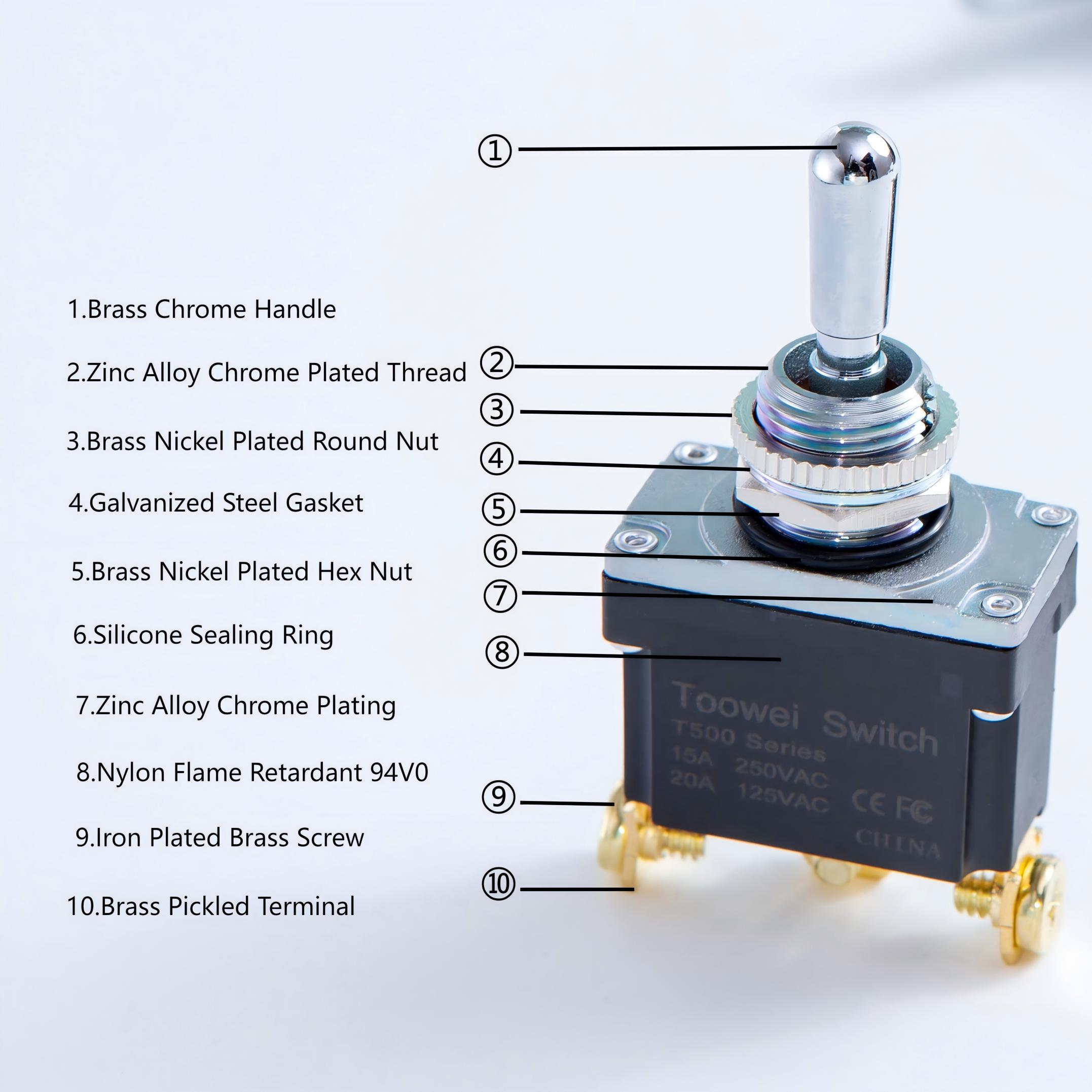
A professional switch manufacturer must demonstrate far more than basic production capacity. The distinction between a reliable switch manufacturer and a commodity producer lies in their technical depth, quality infrastructure, design flexibility, and commitment to industry standards. Organizations seeking dependable electrical switches need to understand which capabilities truly separate leading operations from those simply assembling components.
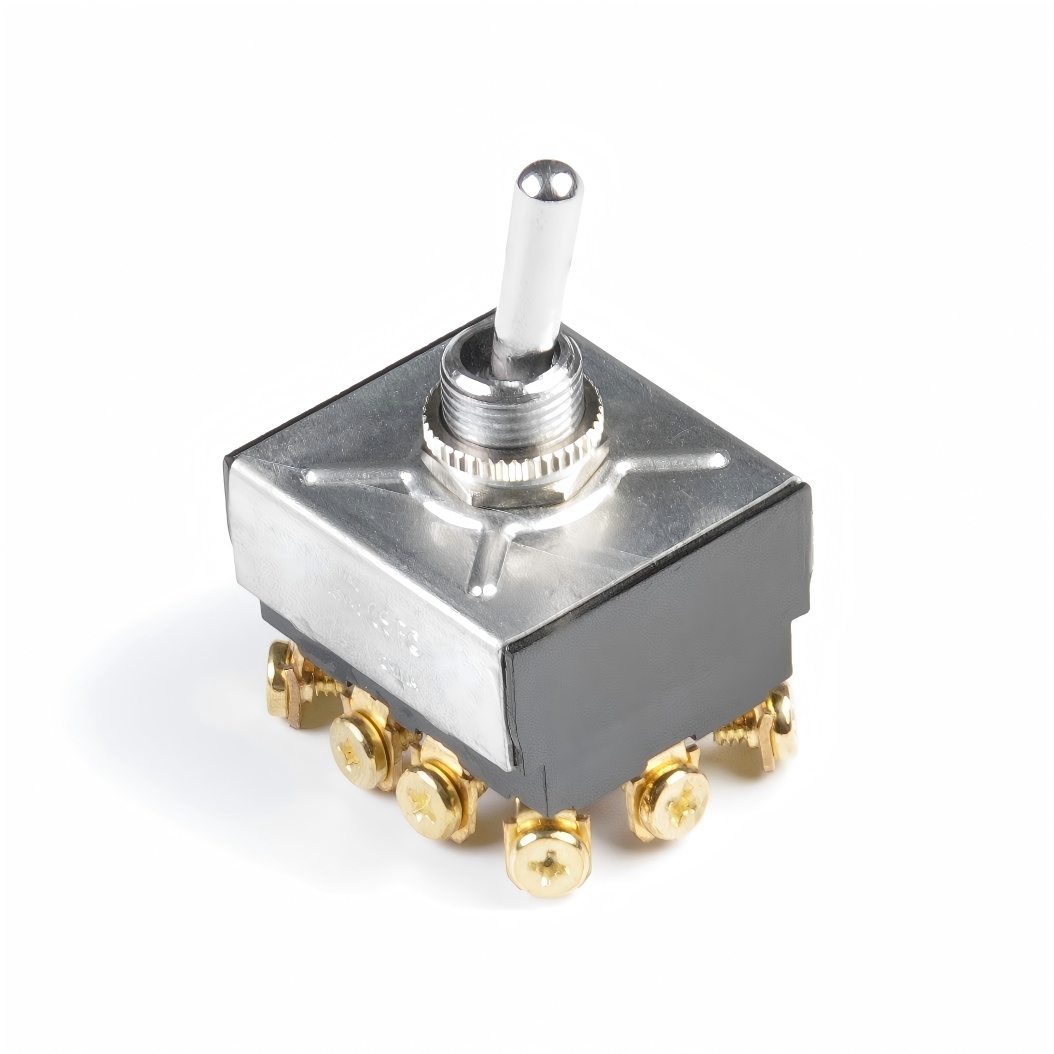
Understanding these defining capabilities helps procurement teams, engineers, and facility managers make informed decisions when selecting a switch manufacturer for critical applications. Whether you need industrial-grade toggle switches, safety-rated components, or custom electrical solutions, knowing what separates a professional switch manufacturer from competitors becomes essential for long-term reliability and supply chain success.
Quality Infrastructure and Certifications
Manufacturing Standards and Testing Protocols
A professional switch manufacturer operates under rigorous quality management systems that extend far beyond basic compliance. Leading operations maintain ISO 9001 certification and implement comprehensive testing protocols at every production stage. This means raw materials undergo incoming inspection, each component is validated during assembly, and finished products face extensive electrical and mechanical testing before shipment. A switch manufacturer committed to excellence implements statistical process control, maintains detailed traceability records, and conducts regular audits to prevent defects before they reach customers.
The testing infrastructure of a professional switch manufacturer typically includes high-voltage testing chambers, thermal cycling equipment, mechanical durability systems, and environmental simulation facilities. These capabilities ensure that switches survive extreme temperatures, high-frequency cycling, corrosive environments, and demanding electrical loads. When a switch manufacturer invests in this equipment and expertise, they demonstrate genuine commitment to delivering products that perform reliably under real-world industrial conditions rather than merely meeting minimum specifications.
Industry Certifications and Compliance
Professional operations maintain certifications relevant to their market sectors. An industrial switch manufacturer serving manufacturing facilities requires UL, CE, or RoHS compliance depending on geographic markets. Medical-grade switch manufacturers follow additional biocompatibility and electromagnetic compatibility standards. A qualified switch manufacturer stays current with evolving regulations, maintains proper documentation, and conducts regular audits to ensure continuous compliance. This certification commitment protects customers from regulatory liability and ensures switches meet safety requirements across jurisdictions where equipment operates.
Technical Expertise and Design Capabilities
Custom Engineering and Prototyping
Professional switch manufacturers offer genuine engineering support that goes beyond catalog selection. When customers present unique electrical requirements, switching sequences, or environmental constraints, an experienced switch manufacturer evaluates feasibility, recommends optimal contact configurations, and develops prototypes for field validation. This engineering capability distinguishes a true switch manufacturer from simple distributors who merely source existing products. The ability to modify contact materials, redesign actuator mechanisms, adjust spring characteristics, or create sealed enclosures demonstrates the technical depth that separates leaders in the switch manufacturer space.
Advanced switch manufacturer operations maintain computer-aided design systems, simulation software, and rapid prototyping capabilities. Engineers can model electrical performance, simulate thermal behavior, and predict mechanical wear patterns before manufacturing. This reduces development time, minimizes costly iterations, and ensures custom solutions work reliably from initial deployment. When a switch manufacturer invests in these tools and training, they deliver solutions precisely matched to customer needs rather than forcing compromises around limited catalog options.
Material Science and Performance Optimization
A professional switch manufacturer understands how material selection drives long-term performance. Contact metals must resist oxidation, arcing, and wear while maintaining consistent conductivity across millions of cycles. Frame materials must provide mechanical stability without brittleness. Insulating compounds must withstand electrical stress, temperature extremes, and environmental exposure. Expert switch manufacturer teams optimize these material combinations for specific applications rather than defaulting to cheapest options that may fail prematurely.
The most capable switch manufacturer operations maintain materials labs where specialists test alloy combinations, evaluate coating technologies, and validate material aging under accelerated conditions. This expertise ensures switches deliver consistent performance throughout their intended lifespan, reducing surprise failures that disrupt critical operations.
Production Capacity and Supply Chain Reliability
Manufacturing Flexibility and Lead Times
Professional switch manufacturer operations balance production efficiency with scheduling flexibility. A well-managed switch manufacturer maintains inventory of core components while organizing production to accommodate both high-volume orders and smaller custom runs without excessive lead time penalties. This requires sophisticated production planning, modular manufacturing approaches, and inventory strategies that many producers lack. When customers need switches quickly for emergency repairs or sudden expansion projects, a mature switch manufacturer can typically respond within days rather than weeks.
Supply chain resilience distinguishes leading switch manufacturer operations. Professional teams diversify component sourcing, maintain strategic inventory of critical materials, and establish relationships with backup suppliers for key inputs. This redundancy prevents single-point failures that could halt customer operations. A reliable switch manufacturer demonstrates transparency about lead times, provides realistic timelines, and maintains communication if unexpected delays occur.
Scalability and Volume Capability
A professional switch manufacturer can grow production to match customer demand without quality degradation. This requires multiple manufacturing lines with consistent equipment, well-trained teams capable of managing increased volume, and quality systems that scale effectively. Some switch manufacturer operations claim capabilities they cannot sustain, leading to quality shortcuts or missed deadlines when volumes spike. Established switch manufacturer companies clearly document their capacity limits, explain their expansion plans, and deliver on volume commitments consistently.
The switch manufacturer's ability to serve growing customers builds long-term partnerships. Organizations that started as small accounts often become major revenue sources as they expand. A professional switch manufacturer invests in capacity planning that supports this growth trajectory while maintaining the quality standards that earned initial trust.
Customer Support and Technical Partnership
Application Engineering and Problem-Solving
Professional switch manufacturer teams go beyond transactional sales to become genuine technical partners. When customers experience unexpected failures or need guidance selecting switches for new applications, advanced switch manufacturer companies provide application engineers who understand electrical systems, industrial environments, and failure mechanisms. This expertise helps customers avoid purchasing mistakes, select optimal components, and troubleshoot performance issues that may stem from application factors rather than product defects.
Documentation quality distinguishes professional switch manufacturer operations. Comprehensive datasheets include electrical performance across temperature ranges, mechanical specifications, expected lifespan under various duty cycles, and application guidance. When customers encounter unexpected behavior, a professional switch manufacturer supplies technical support that explains root causes and recommends solutions. This partnership approach builds customer loyalty and referral relationships far more effectively than commodity-focused competitors.
Long-Term Support and Product Continuity
A mature switch manufacturer recognizes that customers depend on products for years or decades. Professional operations maintain product availability even when sales volumes decline, preventing the frustration of customers unable to source replacement components. Advanced switch manufacturer companies plan product transitions carefully, offering adequate notice before discontinuing items and suggesting compatible alternatives when necessary. This stability matters enormously in industrial settings where equipment designers specify particular switch models and downstream customers depend on replacement availability.
The most respected switch manufacturer operations invest in technical training for customer teams, provide detailed maintenance guidance, and conduct regular reviews of customer applications to identify improvement opportunities. This long-term perspective strengthens relationships and demonstrates genuine commitment to customer success beyond the initial purchase.
FAQ
What distinguishes a professional switch manufacturer from competitors?
Professional switch manufacturer operations combine quality infrastructure with technical depth. They maintain certified testing laboratories, employ experienced engineers capable of custom development, offer genuine application support, and demonstrate commitment to customer success through long-term partnerships. A professional switch manufacturer invests in capabilities that extend far beyond basic assembly, ensuring products perform reliably in demanding industrial applications where failures create significant business disruption.
How should customers evaluate a switch manufacturer's capabilities?
Start by reviewing certifications and quality systems that a switch manufacturer maintains. Request detailed product specifications, ask about testing protocols they employ, and inquire about engineering support for custom applications. Visit manufacturing facilities if possible to observe quality systems and equipment firsthand. A transparent switch manufacturer welcomes these questions and demonstrates genuine confidence in their capabilities. Speak with existing customers about their experience with the switch manufacturer, particularly regarding quality consistency and technical support.
Why does choosing the right switch manufacturer impact long-term costs?
Selecting a professional switch manufacturer reduces total cost of ownership despite potentially higher initial prices. Quality products fail less frequently, eliminating expensive downtime and replacement labor. Professional switch manufacturer operations offer technical guidance that helps customers select optimal components, avoiding design mistakes that lead to premature failures. Long-term supply reliability means equipment remains serviceable throughout its intended lifespan. These factors compound over years, making professional switch manufacturer partnerships significantly more economical than pursuing lowest-cost options that sacrifice reliability.