
 EN
EN
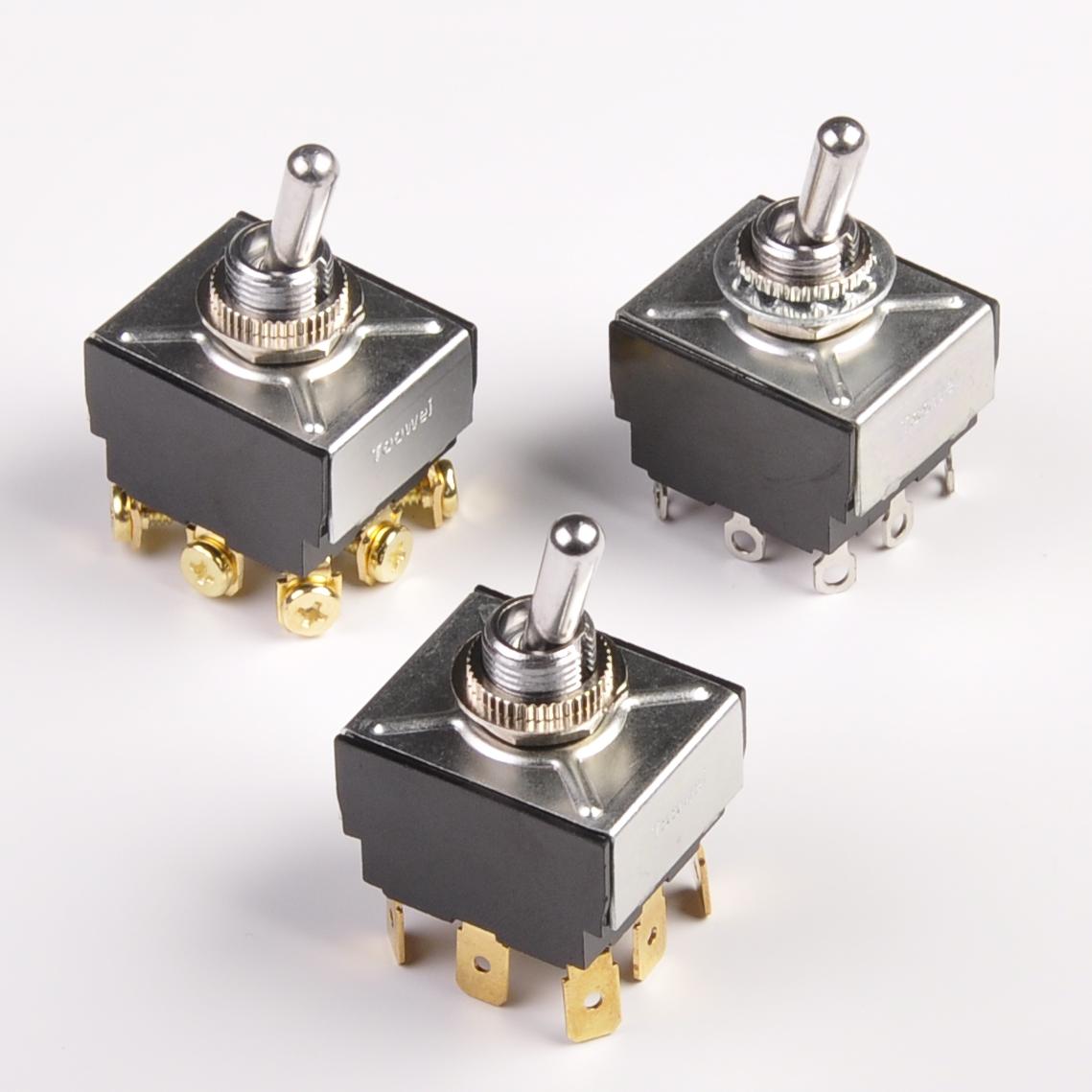
In today's rapidly evolving industrial landscape, generic off-the-shelf electrical components often fall short of meeting specific application requirements. A switch manufacturer plays a critical role in bridging this gap by offering tailored solutions that address unique electrical challenges across diverse industries. Whether you're designing control systems, automation equipment, or specialized machinery, partnering with a switch manufacturer that understands customization can be the difference between a failed project and a successful deployment. This article explores how a switch manufacturer delivers custom electrical applications and why this capability matters for modern industrial operations.
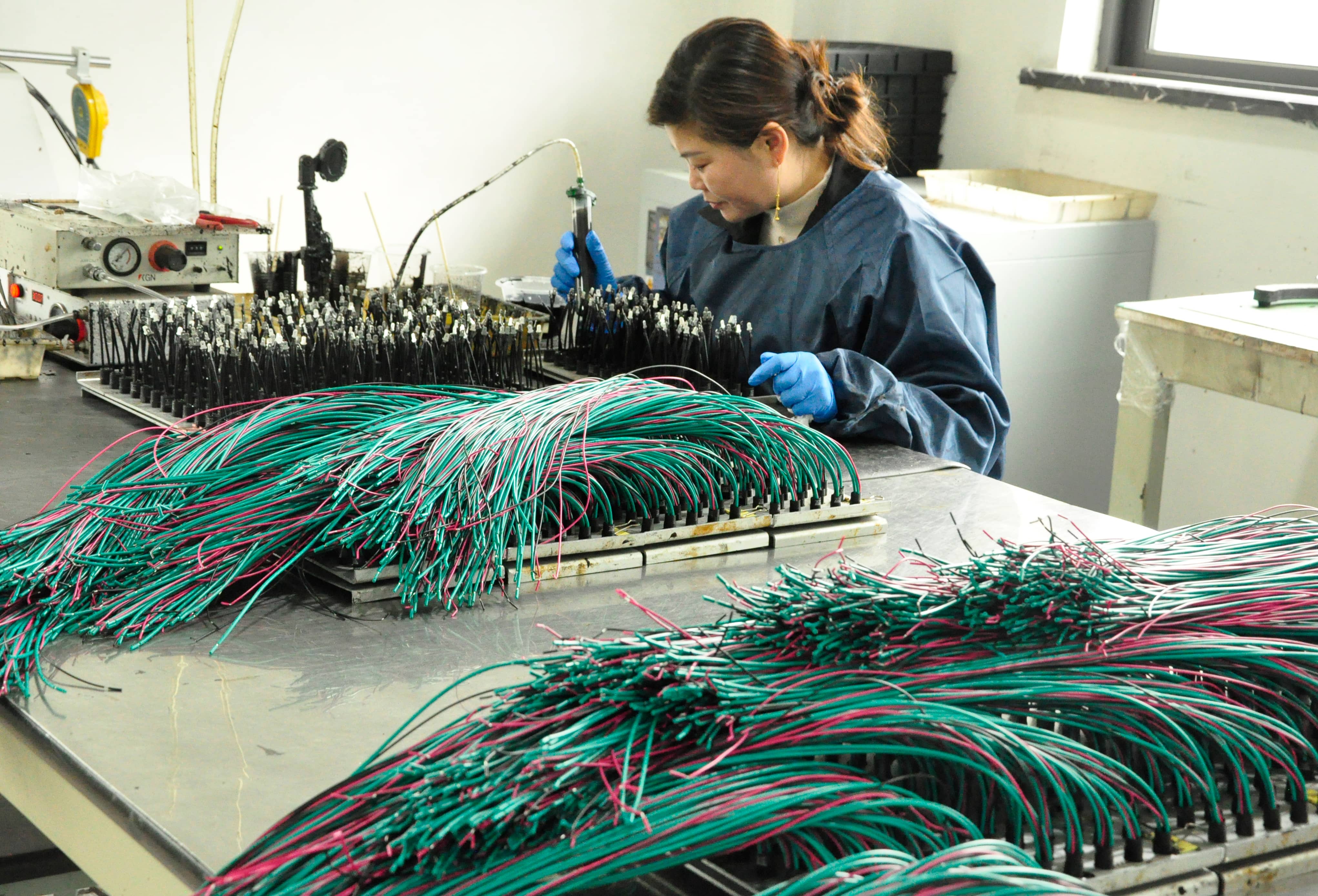
A switch manufacturer isn't simply a supplier of standard products. Rather, it's a technical partner capable of understanding complex electrical requirements and translating them into functional hardware solutions. From medical devices to renewable energy systems, industrial automation to aerospace applications, a switch manufacturer must possess deep engineering knowledge, material science expertise, and production flexibility to create components that precisely match application specifications.
Understanding Customization Capabilities of a Switch Manufacturer
Design Flexibility and Engineering Support
A switch manufacturer begins the customization process by engaging in thorough technical consultation with clients. This phase involves understanding voltage requirements, current ratings, environmental conditions, mechanical constraints, and performance standards unique to each application. The switch manufacturer's engineering team evaluates these specifications and determines which design modifications—whether in contact materials, switching mechanisms, housing configurations, or electrical ratings—will optimize performance for that specific use case.
The depth of support from a switch manufacturer often determines project success. Advanced manufacturers employ CAD design tools, simulation software, and prototype testing capabilities to validate custom configurations before full-scale production. This proactive approach allows a switch manufacturer to identify potential issues early, propose solutions, and provide clients with confidence that their custom electrical applications will function reliably in their intended environments.
Material Science and Component Selection
Every switch manufacturer must maintain expertise in materials science to support customized electrical applications. The choice of contact materials—whether precious metals, alloys, or composite materials—directly affects switching reliability, longevity, and performance under specific electrical loads. A switch manufacturer evaluates material compatibility with operating environments, from extreme temperatures to corrosive atmospheres, ensuring that custom switches maintain functionality throughout their service life.
Beyond contacts, a switch manufacturer selects housing materials, insulation compounds, and fastening systems tailored to application demands. For medical devices, biocompatible materials may be essential. For industrial control systems operating in harsh conditions, robust polymers or metal enclosures provide necessary protection. This material-level customization distinguishes a true switch manufacturer from a commodity supplier.
Production Processes Supporting Customized Electrical Applications
Advanced Manufacturing Techniques
A capable switch manufacturer employs manufacturing flexibility to produce custom electrical applications efficiently. Modern switching manufacturers use precision tooling, automated assembly where appropriate, and skilled manual processes to achieve tight tolerances and consistent quality. This combination allows a switch manufacturer to move between standard products and fully customized solutions without significant production delays.
The switch manufacturer's production environment must support rapid prototyping and small-batch production runs. Unlike large commodity manufacturers focused on volume, a switch manufacturer serving customized electrical applications invests in flexible machining centers, modular tooling systems, and cross-trained technicians capable of adapting processes for unique requirements. This operational flexibility ensures that custom orders receive the same attention to quality as mass-produced components.
Quality Assurance and Testing Protocols
Every switch manufacturer must establish rigorous testing protocols specific to custom electrical applications. Standard testing alone cannot validate a customized solution; therefore, a switch manufacturer develops application-specific test plans covering electrical performance, mechanical durability, environmental stability, and safety compliance. These tests might include contact resistance measurements, insulation breakdown testing, thermal cycling, vibration endurance, and operational life assessments.
Quality traceability becomes increasingly important when a switch manufacturer produces custom electrical applications for critical industries. Documentation tracking material lot numbers, manufacturing dates, test results, and configuration details ensures that if any custom switch requires investigation or replacement, a switch manufacturer can provide complete historical records. This level of accountability builds confidence in custom solutions.
Industry Applications and Real-World Integration
Vertical-Specific Solutions
A switch manufacturer serving customized electrical applications must develop industry-specific knowledge. Medical device manufacturers require switches meeting biocompatibility standards and offering sealed designs that prevent contaminant ingress. Renewable energy applications demand switches rated for DC systems, high-frequency switching, or extreme environmental exposure. Aerospace and defense applications require military-grade specifications, hermetically sealed contacts, and extensive documentation.
The switch manufacturer's ability to serve these varied industries depends on maintaining technical resources dedicated to different market segments. Engineers specializing in specific industries bring critical context to customization decisions. This vertical expertise allows a switch manufacturer to anticipate potential challenges, recommend proven design approaches, and accelerate the path from concept to production for customized electrical applications.
Integration and Long-Term Partnership Value
When implementing customized electrical applications, clients benefit most from a switch manufacturer that functions as an ongoing technical partner rather than a transactional supplier. A true switch manufacturer provides pre-production consultation, design optimization, prototype validation, and post-launch support. This extended engagement helps clients refine specifications, identify improvement opportunities, and resolve any field issues quickly.
Furthermore, a switch manufacturer committed to long-term relationships maintains production capacity for custom items across extended product lifecycles. When your application succeeds and scales, your switch manufacturer can grow production volumes while maintaining quality and customization capabilities. This reliability creates confidence in sourcing critical components for customized electrical applications.
FAQ
What distinguishes a true switch manufacturer from a standard component distributor?
A true switch manufacturer possesses in-house design, engineering, and manufacturing capabilities to create custom electrical applications from scratch. Standard distributors typically resell existing products. A switch manufacturer can modify designs, test prototypes, validate specifications, and produce small quantities of specialized components. This operational distinction is critical when your application doesn't fit standard product offerings.
How long does the development process typically take when working with a switch manufacturer on customized electrical applications?
Development timelines vary depending on customization complexity, but a switch manufacturer typically requires 4 to 12 weeks for concept-to-production, including design refinement, prototype testing, and tooling setup. Simple modifications to existing designs may take 4 to 6 weeks, while fully custom electrical applications requiring new tooling and extensive testing may extend to 3 to 4 months. Early communication with your switch manufacturer establishes realistic schedules.
Can a switch manufacturer guarantee that custom switches will meet specific reliability targets?
A professional switch manufacturer provides reliability predictions based on design analysis, material selection, and accelerated life testing of prototype samples. While no manufacturer can guarantee absolute performance indefinitely, a switch manufacturer employing rigorous engineering practices can deliver switches with documented mean time between failure (MTBF) ratings and validated performance specifications. These guarantees apply when switches operate within specified electrical and environmental parameters.
Table of Contents
- Understanding Customization Capabilities of a Switch Manufacturer
- Production Processes Supporting Customized Electrical Applications
- Industry Applications and Real-World Integration
-
FAQ
- What distinguishes a true switch manufacturer from a standard component distributor?
- How long does the development process typically take when working with a switch manufacturer on customized electrical applications?
- Can a switch manufacturer guarantee that custom switches will meet specific reliability targets?