
 EN
EN
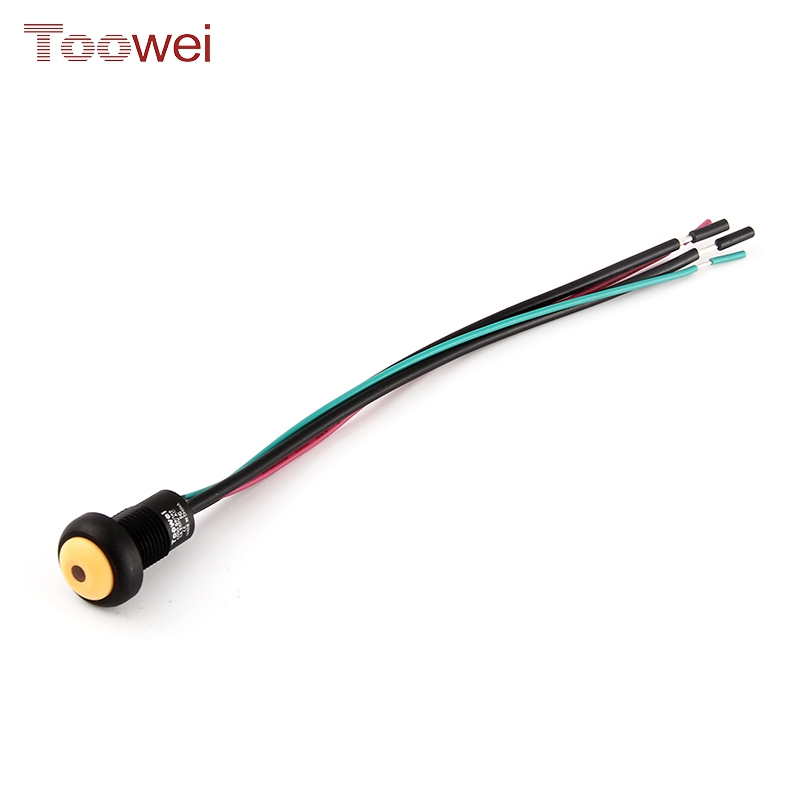
When selecting push button light switches for any application, understanding the critical design considerations can mean the difference between a reliable installation and ongoing maintenance headaches. Push button light switches have become increasingly important in modern electrical systems, serving residential, commercial, and industrial environments with varying performance demands. The design of push button light switches directly impacts user experience, system longevity, and safety compliance.
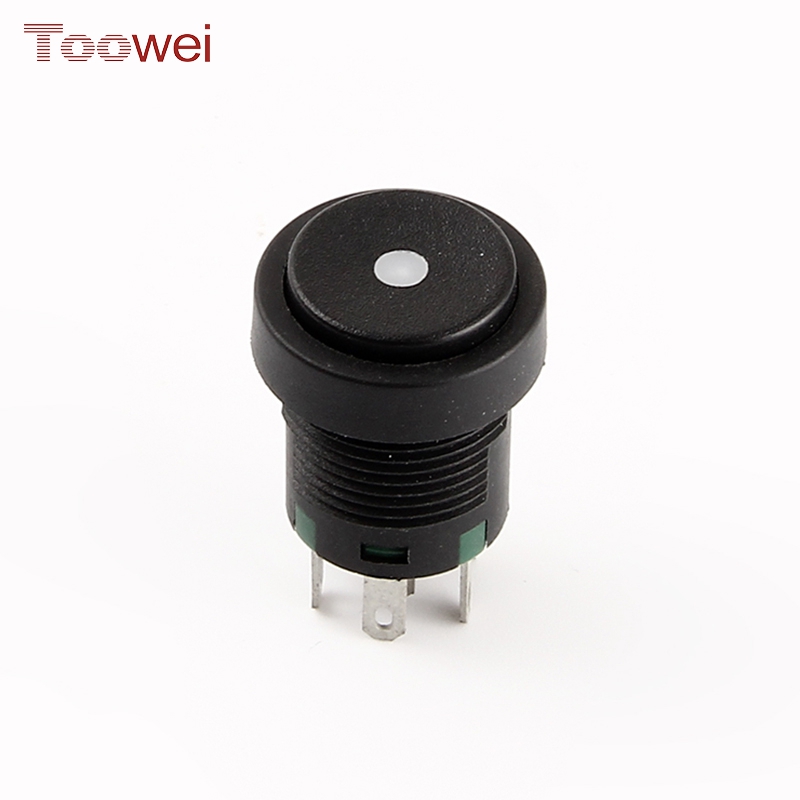
Engineers and facility managers must carefully evaluate push button light switches before installation to ensure they meet specific application requirements. The design considerations surrounding push button light switches encompass mechanical robustness, electrical specifications, ergonomic factors, and environmental resilience. This comprehensive guide explores the essential design factors that influence the performance and longevity of push button light switches across diverse settings.
Mechanical and Tactile Design Factors
Contact Mechanism and Switch Rating
The mechanical foundation of push button light switches determines their electrical reliability and cycle life. Push button light switches must feature robust contact materials, typically silver alloy or gold-plated contacts, to ensure stable electrical connections throughout thousands of operational cycles. The contact mechanism within push button light switches directly affects switching speed, bounce elimination, and overall performance consistency. Industrial-grade push button light switches often incorporate sealed contact chambers to prevent oxidation and contamination from compromising switch performance.
When evaluating push button light switches, the rated switching capacity matters significantly for load compatibility. Push button light switches rated for inductive or resistive loads must be clearly specified to prevent premature wear or catastrophic failure. A quality design in push button light switches includes protective features that prevent arcing and contact degradation during high-current switching events. Manufacturers of push button light switches typically provide detailed load ratings that guide proper application selection.
Tactile Feedback and User Interface
User experience with push button light switches depends heavily on tactile feedback during activation. Well-designed push button light switches provide clear, consistent tactile feedback that confirms switch engagement without requiring excessive force. The actuation force in push button light switches typically ranges from 50 to 70 grams, offering responsive operation while preventing accidental activation. Premium push button light switches incorporate spring mechanisms that reset smoothly and predictably, enhancing reliability and user confidence.
The design of push button light switches must balance sensitivity with durability to withstand repeated use across years of service. Push button light switches with inconsistent tactile response create user confusion and may mask mechanical degradation. Modern push button light switches employ precision-engineered stems and spring assemblies that maintain consistent actuation characteristics even after hundreds of thousands of cycles. This mechanical consistency distinguishes high-performance push button light switches from budget alternatives.
Electrical Specifications and Safety Considerations
Voltage and Current Requirements
Electrical specifications form the foundation of proper push button light switches selection and safe operation. Push button light switches must be rated for the specific voltage and current demands of their intended circuit, whether operating at 12V DC, 24V DC, or standard 110V/220V AC applications. Undersized push button light switches cannot safely handle peak current loads, while oversized units waste energy and occupy unnecessary space. The design considerations for push button light switches include voltage drop analysis, especially in low-voltage applications where efficiency impacts system performance.
Safety ratings on push button light switches typically include UL, CE, or equivalent certifications that verify electrical performance under specified conditions. These certifications for push button light switches ensure compliance with international safety standards and reduce liability in commercial or industrial installations. Push button light switches designed for specific voltage levels incorporate insulation materials and spacing geometry that prevent electrical breakdown under rated conditions. Selecting push button light switches with appropriate voltage ratings prevents fire hazards and extends equipment lifespan.
Environmental Protection and Ingress Rating
Environmental conditions significantly influence the design requirements for push button light switches across different installation contexts. Push button light switches installed in wet, dusty, or corrosive environments require enhanced protective design features, typically indicated by ingress protection ratings like IP65 or IP67. The sealing design of push button light switches determines their ability to withstand moisture intrusion, which accelerates contact corrosion and electrical failure. Industrial-grade push button light switches employ silicone gaskets and sealed button assemblies that prevent environmental contamination.
Temperature resilience represents another critical design consideration for push button light switches in extreme environments. Push button light switches rated for wide temperature ranges incorporate materials that maintain mechanical and electrical properties across thermal extremes. High-quality push button light switches demonstrate minimal performance drift when operating in temperatures ranging from negative 20 to positive 70 degrees Celsius. This thermal stability ensures consistent behavior regardless of seasonal variations or process heat exposure.
Ergonomic Design and Installation Practicality
Button Size, Shape, and Accessibility
Ergonomic design in push button light switches directly impacts user satisfaction and operational safety in busy environments. Push button light switches must feature button sizes proportional to typical hand dimensions and easily accessible for users wearing gloves or protective equipment. The shape of push button light switches buttons influences grip comfort and reduces hand fatigue during frequent activation. Convex or contoured designs in push button light switches provide better grip security compared to flat surfaces, particularly in wet or high-vibration industrial settings.
Accessibility considerations for push button light switches extend beyond basic functionality to include color coding and tactile differentiation. Push button light switches incorporating distinct colors or textured surfaces help operators quickly identify function, reducing activation errors in complex control panels. Design standards for push button light switches often specify preferred locations and spacing to minimize accidental activation while maximizing intuitive operation. Emergency stop applications demand particularly careful ergonomic design in push button light switches to ensure operators can engage them rapidly under stress.
Mounting and Integration Requirements
Physical integration of push button light switches into control panels and switchboards requires careful design planning to ensure stability and longevity. Push button light switches must mount securely within standard panel openings while accommodating electrical connections without excessive strain on internal components. The design of push button light switches includes oversized mounting bushings and reinforced bodies that prevent panel flexing from loosening connections or affecting performance. Modular design approaches for push button light switches simplify replacement and maintenance while reducing system downtime.
Electrical connection design for push button light switches balances accessibility for maintenance with protection against accidental contact. Push button light switches incorporating screw terminals, cage clamps, or push-in connectors offer different installation convenience levels depending on application context. Professional installations of push button light switches typically favor designs that minimize wiring complexity while maintaining secure, inspectable connections. Lead length and strain relief design in push button light switches significantly impact long-term reliability in vibration-prone environments.
FAQ
What electrical specifications matter most when choosing push button light switches?
The primary electrical specifications for push button light switches include voltage rating, current capacity, and load type compatibility. Push button light switches must match both voltage and current demands of their circuit, with particular attention to inductive loads that generate voltage spikes during switching. Safety certifications like UL or CE validate that push button light switches can safely handle specified electrical parameters without fire or shock hazards. Environmental ingress ratings also influence electrical safety by preventing moisture intrusion that causes contact corrosion and electrical failure in push button light switches.
How do environmental factors affect push button light switches design?
Environmental resilience is fundamental to push button light switches design, with protection requirements varying by installation location. Push button light switches exposed to moisture, dust, or chemical exposure require sealed enclosures and corrosion-resistant materials to maintain performance. Temperature ranges also drive design decisions for push button light switches, as extreme thermal conditions affect spring tension, contact resistance, and material properties. Industrial push button light switches undergo rigorous environmental testing to verify functionality across anticipated operating conditions.
Why is tactile feedback important in push button light switches design?
Consistent tactile feedback in push button light switches confirms successful activation and enhances operator confidence during repetitive use. Poor tactile response in push button light switches creates uncertainty about switch engagement, potentially leading to double-presses or missed activations. The mechanical design of push button light switches must maintain stable tactile characteristics across thousands of cycles to prevent degradation that signals wear and potential failure. High-quality push button light switches employ precision spring mechanisms that deliver reliable, predictable feedback throughout the product lifespan.