
 EN
EN
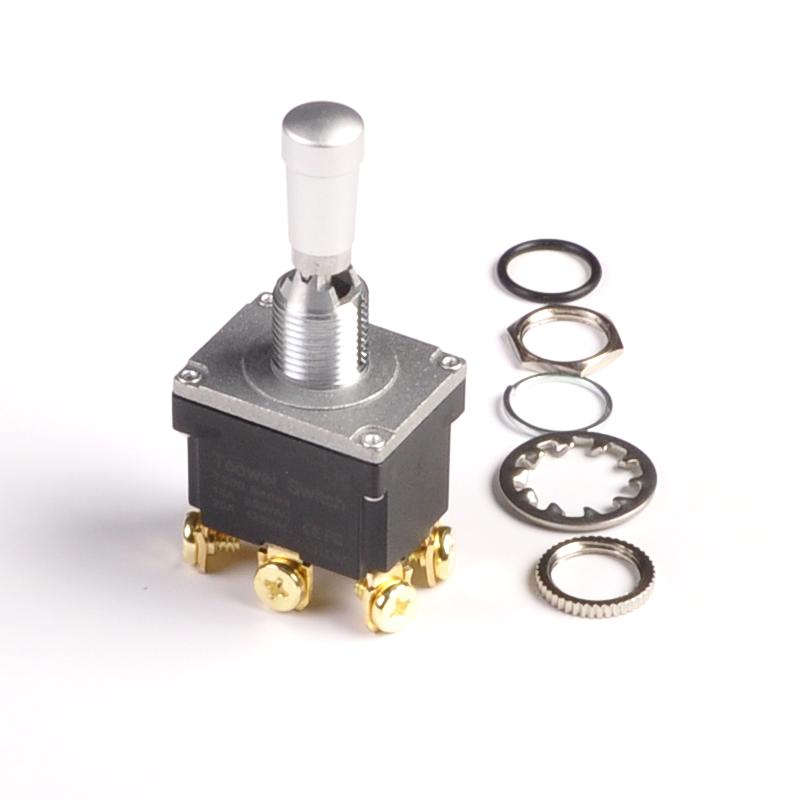
The reliability of a waterproof toggle switch depends critically on rigorous testing protocols that verify its ability to withstand harsh environmental conditions, mechanical stress, and prolonged operational demands. Manufacturers invest substantially in comprehensive durability assessment frameworks to ensure that every waterproof toggle switch meets or exceeds industry standards before reaching industrial, marine, or outdoor applications. Understanding how these tests work provides engineers, procurement managers, and system designers with confidence that their electrical switching components will perform consistently in challenging environments.
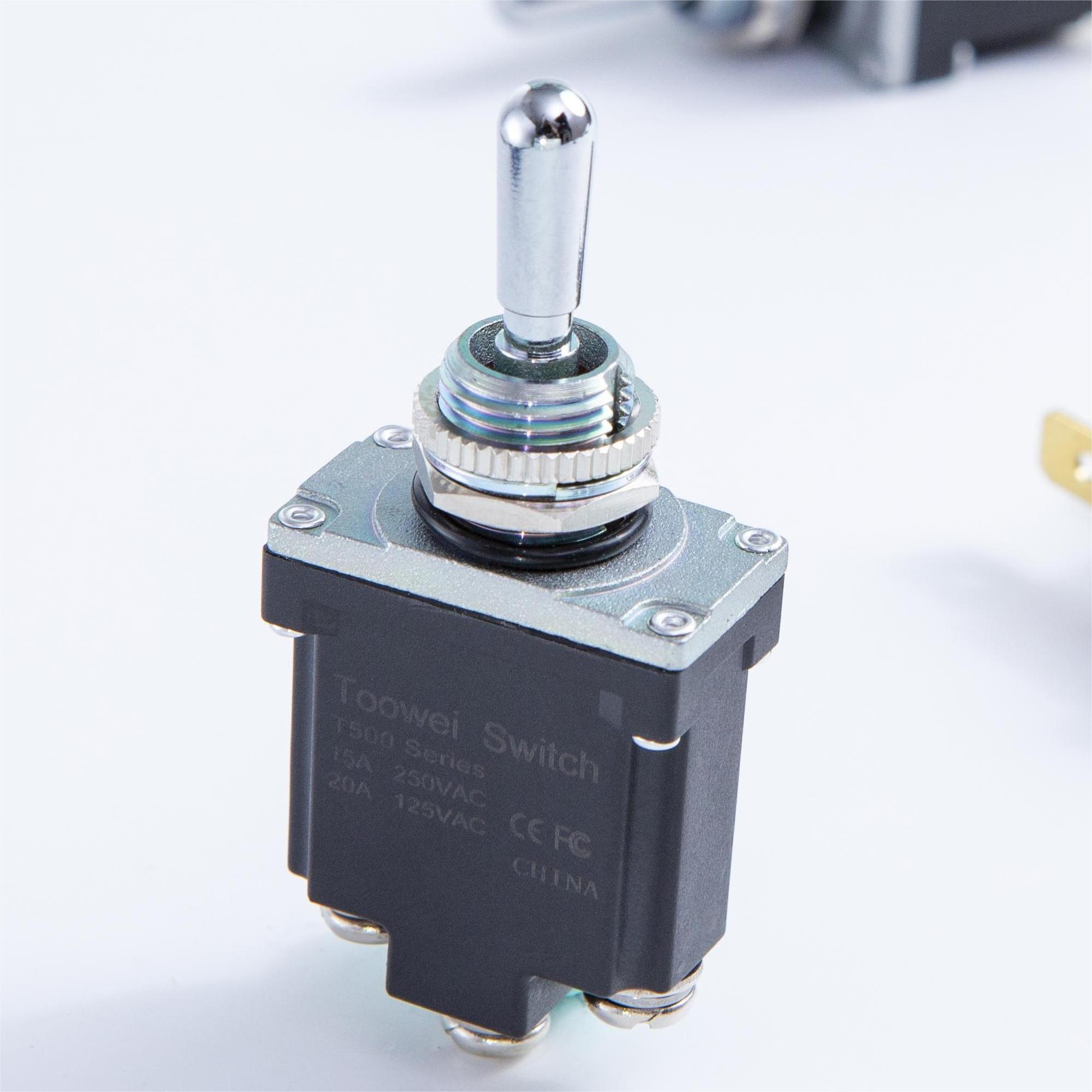
Testing methodologies for waterproof toggle switch products go far beyond simple functionality checks. The process encompasses environmental exposure simulation, mechanical cycling analysis, electrical continuity validation, and material compatibility assessment. Each phase of testing targets specific failure modes and real-world stressors that the waterproof toggle switch must resist during its service life, ensuring that design robustness translates directly into field reliability.
Environmental Exposure Testing for Waterproof Toggle Switch Designs
Salt Spray and Corrosion Resistance Evaluation
Salt spray testing remains one of the most critical protocols for validating waterproof toggle switch performance in marine and coastal environments. During this test, a waterproof toggle switch sample is exposed to a controlled salt-fog chamber that simulates the corrosive atmosphere found near saltwater applications. The test typically runs for 500 to 1000 hours, with technicians periodically inspecting the waterproof toggle switch for rust, material degradation, or functional compromise. This accelerated aging process helps manufacturers identify potential corrosion pathways and material vulnerabilities before the waterproof toggle switch enters actual service.
Temperature and Humidity Cycling
Thermal cycling testing exposes a waterproof toggle switch to repeated temperature fluctuations between extreme hot and cold conditions, often ranging from minus 40 degrees Celsius to plus 85 degrees Celsius. The waterproof toggle switch undergoes multiple cycles to assess how material expansion, contraction, and seal degradation affect long-term sealing integrity. Simultaneous humidity cycling—where the waterproof toggle switch is exposed to high moisture conditions—compounds the stress on elastomer seals and contact surfaces. This combined environmental assault reveals whether the waterproof toggle switch design can maintain its protective barriers across the full operational temperature spectrum.
Mechanical Durability and Cycling Performance
Actuation Cycling and Contact Reliability
Mechanical endurance testing subjects a waterproof toggle switch to tens of thousands of on-off cycles under controlled laboratory conditions. During each cycle, electromechanical parameters are monitored to detect any drift in contact resistance, switching speed, or tactile response. A waterproof toggle switch must maintain consistent electrical performance throughout the entire cycling protocol, typically 100,000 to 500,000 cycles depending on application class. Engineers record contact wear patterns, observe any loosening of internal components, and verify that sealing elements remain compressed and effective as the waterproof toggle switch ages mechanically.
Shock and Vibration Testing
Industrial and automotive applications demand that a waterproof toggle switch survive aggressive mechanical shock and continuous vibration. Testing facilities use electrodynamic shakers to subject the waterproof toggle switch to repeated acceleration forces, sometimes exceeding 10 G-forces across multiple frequency ranges. This protocol simulates the harsh vibration environment of heavy machinery, vehicles, or portable equipment. After each shock phase, the waterproof toggle switch undergoes functional testing to confirm that actuation force, electrical continuity, and sealing integrity remain within specification. Any sign of internal damage, component loosening, or performance degradation disqualifies the waterproof toggle switch design from further advancement.
Ingress Protection and Seal Validation Testing
Water Immersion and Pressure Testing
The most direct test of waterproof toggle switch performance involves controlled water immersion under specified depths and durations. A waterproof toggle switch rated for IP67 or IP68 ingress protection must be submerged in freshwater or saltwater for set periods—often 30 minutes to several hours—at depths ranging from 1 meter to several meters depending on the IP rating target. After immersion, the waterproof toggle switch is carefully inspected for internal moisture, and electrical testing confirms that all contact circuits remain functional and that leakage current stays within acceptable limits. This test directly validates the sealing effectiveness that makes the waterproof toggle switch suitable for submersible or splash-prone applications.
High-Pressure Water Jet Testing
Spray and jet testing evaluates how robustly a waterproof toggle switch can resist direct water impingement at high pressure. A waterproof toggle switch specimen is exposed to focused water jets at pressures between 10 and 100 bar, simulating aggressive washdown environments found in food processing, marine cleaning, or heavy industrial facilities. The waterproof toggle switch must continue to operate reliably even while under direct jet assault, and subsequent disassembly reveals that no water penetration occurred inside the switch cavity. This testing confirms that the waterproof toggle switch design delivers meaningful protection in the harshest wet-environment scenarios.
Electrical Performance and Insulation Integrity Testing
Dielectric Strength and Insulation Resistance Measurement
High-voltage dielectric testing ensures that a waterproof toggle switch can safely isolate circuits and withstand potential fault conditions without electrical breakdown. The waterproof toggle switch is subjected to elevated test voltages—often 1500 volts to 3000 volts AC for several seconds—applied between all current-carrying components and ground. The waterproof toggle switch must show zero arcing or tracking, and insulation resistance measurement typically confirms values exceeding 1000 megaohms. These tests guarantee that the waterproof toggle switch maintains electrical safety margins well above normal operating voltages, protecting downstream equipment and personnel from unexpected failure modes.
Contact Resistance and Load Switching Verification
Functional electrical testing measures contact resistance across the waterproof toggle switch switching cycle and validates that the device can safely interrupt and establish electrical connections under rated load conditions. A waterproof toggle switch is cycled while carrying its specified maximum current—typically several amps for industrial models—while technicians log contact resistance values at each position. The waterproof toggle switch passes this test only when contact resistance remains stable and well below maximum allowable thresholds throughout the test sequence. This protocol confirms that the waterproof toggle switch design delivers reliable electrical performance even when carrying heavy loads or switching inductive circuits.
Environmental Stress Screening and Accelerated Life Testing
Burn-In and Extended Duration Testing
Accelerated life testing subjects a waterproof toggle switch to extended operational stress at elevated voltage, temperature, or cycling rates to compress years of field operation into weeks of laboratory time. A waterproof toggle switch sample may be cycled thousands of times per day under combined thermal and electrical stress, allowing engineers to predict long-term reliability without waiting years for field data. The waterproof toggle switch is periodically removed from the burn-in chamber for detailed electrical and mechanical inspection, ensuring that no hidden degradation mechanisms emerge. This aggressive protocol identifies design weaknesses or material incompatibilities that might otherwise remain dormant until expensive field failures occur.
Post-Test Analysis and Documentation
After completing all testing phases, each waterproof toggle switch undergoes detailed forensic analysis including microscopic examination of contacts, seal surfaces, and internal mechanisms. Technicians document any wear patterns, corrosion initiation sites, or material embrittlement observed on the tested waterproof toggle switch. This failure analysis data feeds directly back into design refinement cycles, ensuring that future versions of the waterproof toggle switch incorporate improvements that address observed degradation modes. Comprehensive test reports validate that the waterproof toggle switch meets all contractual durability requirements and quantify its expected service life across different application scenarios.
FAQ
What IP rating should a waterproof toggle switch have for marine applications?
Marine applications typically require a waterproof toggle switch rated IP67 or higher, meaning the switch can tolerate temporary immersion to 1 meter depth and provide protection against water jets. Some submersible or offshore equipment demands an IP68-rated waterproof toggle switch, which can endure continuous immersion at depths greater than 1 meter. Manufacturers test the waterproof toggle switch to these ratings to confirm it can survive salt spray, thermal cycling, and mechanical shock specific to maritime service.
How many mechanical cycles should a waterproof toggle switch endure during testing?
Standard industrial testing protocols typically cycle a waterproof toggle switch between 100,000 and 500,000 times, depending on the intended application class and customer specifications. Critical safety systems may demand that a waterproof toggle switch be tested at the upper end or beyond these ranges to ensure confidence in field reliability. Each manufacturer and procurement standard may define specific cycle count requirements, so the waterproof toggle switch test program should align with the relevant industry or contractual standard for your application.
Can a waterproof toggle switch fail accelerated testing but still work in the field?
A waterproof toggle switch that fails accelerated or environmental testing in the laboratory is considered unsuitable for production release, as failure in controlled testing reliably predicts premature field failure. If a waterproof toggle switch fails salt spray, thermal cycling, or mechanical endurance testing, the design must be revised or material selections changed before the waterproof toggle switch can be approved for deployment. Field performance depends entirely on the robustness demonstrated during the comprehensive laboratory testing program, so any waterproof toggle switch that cannot pass these rigorous tests should never reach customer applications.