
 EN
EN
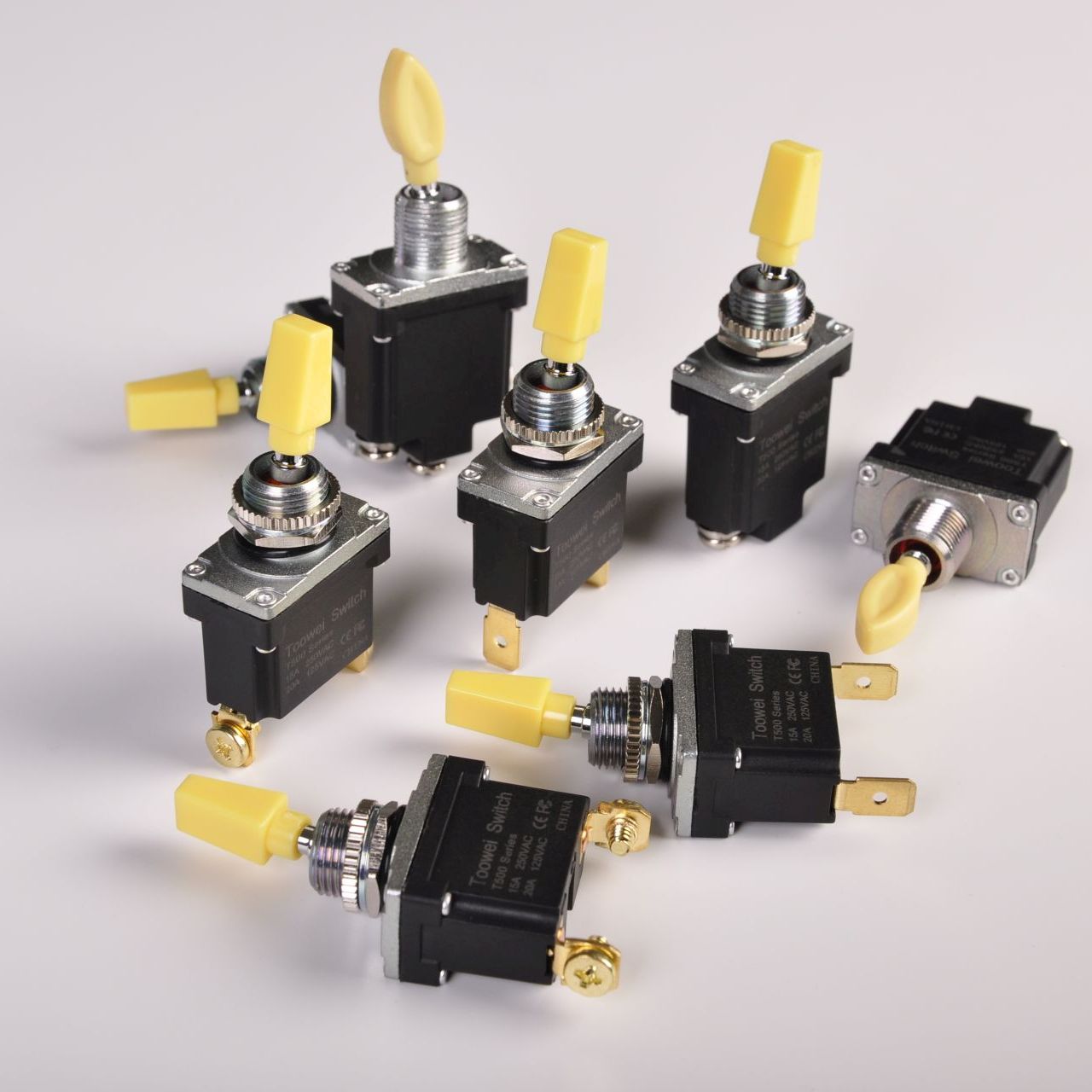
The waterproof toggle switch represents one of the most critical components in environments where moisture, dust, and extreme conditions threaten standard electrical controls. Industries ranging from marine operations to industrial manufacturing depend on waterproof toggle switch technology to maintain safety, reliability, and operational continuity. Understanding which applications demand waterproof toggle switch solutions is essential for engineers, facility managers, and procurement teams who must specify the right switching equipment for demanding environments.
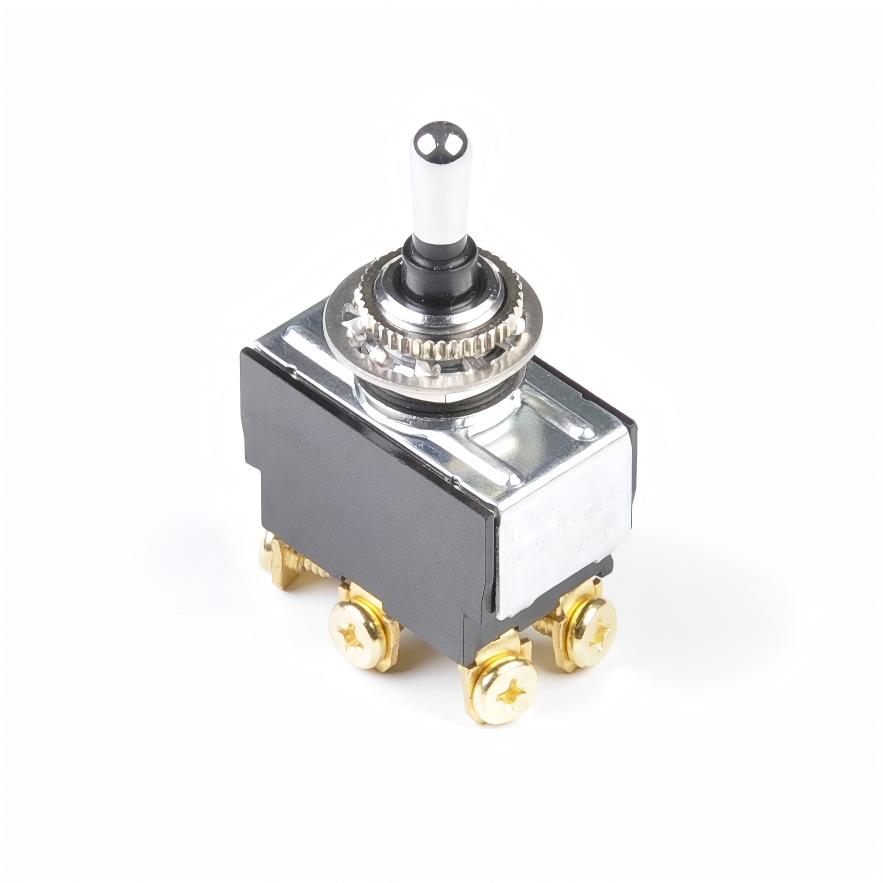
A waterproof toggle switch performs the same fundamental switching function as conventional toggle switches, but with enhanced protection against water ingress, corrosive salt spray, dust accumulation, and temperature extremes. This protection comes from sealed enclosures, specialized gaskets, and materials engineered to resist environmental degradation. The choice to implement a waterproof toggle switch over standard alternatives hinges on the severity and nature of the operating environment, regulatory compliance requirements, and the cost of potential equipment failure or safety incidents.
Marine and Offshore Applications
Saltwater Exposure and Corrosion Prevention
Marine environments present some of the harshest conditions for electrical components, making a waterproof toggle switch an absolute necessity rather than an optional upgrade. Saltwater spray corrodes standard toggle switch contacts and enclosures rapidly, leading to intermittent electrical faults, complete failure, and safety risks aboard vessels. A waterproof toggle switch designed for marine duty incorporates stainless steel or nickel-plated contacts, sealed housings with drain holes, and gaskets that prevent moisture from reaching internal electrical pathways. Fishing vessels, cargo ships, offshore drilling platforms, and recreational boats all rely on waterproof toggle switch solutions to control pumps, navigation lights, communication systems, and emergency equipment.
Deck and Underwater Equipment Control
Deck-mounted electrical panels on ships require waterproof toggle switch installations because weather exposure is constant and unavoidable. Waves, rain, and sea spray continuously contact switch surfaces, yet electrical continuity must remain absolute. A waterproof toggle switch rated for IP67 or higher immersion protection ensures that switches controlling winches, ballast systems, or thruster motors function reliably even during heavy storms. Subsea and near-waterline equipment similarly depends on waterproof toggle switch technology to operate remotely operated vehicles, underwater monitoring sensors, and maintenance systems where water contact is not merely likely but guaranteed.
Industrial and Manufacturing Environments
Chemical and Washdown Operations
Food processing facilities, chemical plants, pharmaceutical manufacturing, and agricultural operations expose electrical systems to frequent washdown procedures using high-pressure water jets and cleaning agents. Standard toggle switches cannot withstand this abuse; the waterproof toggle switch becomes the only practical choice for controlling equipment in these environments. A waterproof toggle switch with sealed terminals and stainless steel construction resists chemical corrosion from acids, bases, and detergents while maintaining operational integrity through repeated wash cycles. Industries that regularly sanitize production areas or rely on wet-process manufacturing depend entirely on waterproof toggle switch reliability to avoid production stoppages and safety violations.
Heavy Equipment and Machinery Control
Construction equipment, mining machinery, agricultural vehicles, and forestry equipment operate in muddy, dusty, and moisture-laden conditions where a waterproof toggle switch prevents operational failure at critical moments. An excavator, bulldozer, or harvester may operate in rain, fog, or dust storms for extended periods, and the operator must trust that control switches will function reliably. The waterproof toggle switch installed in heavy equipment cabins withstands vibration, temperature swings, and moisture intrusion that would quickly disable conventional switches. Equipment maintenance costs spike dramatically when switches fail and must be replaced in remote locations, making the upfront investment in waterproof toggle switch solutions economically justified.
Outdoor and Renewable Energy Applications
Solar and Wind Installation Control
Renewable energy installations including solar panel arrays, wind turbine farms, and battery storage systems employ a waterproof toggle switch to manage power distribution, maintenance isolation, and emergency shutdown functions. These installations operate outdoors continuously, exposed to rain, hail, ultraviolet radiation, temperature extremes, and electrical surges. A waterproof toggle switch rated for outdoor environmental conditions ensures that technicians can safely isolate circuits for maintenance and that automatic controls respond accurately to system status. The waterproof toggle switch also integrates into combiner boxes and disconnect switches where multiple circuits converge and must be controlled reliably without indoor shelter.
Lighting and Infrastructure Control
Street lighting systems, parking area controls, traffic signals, and landscape lighting rely on waterproof toggle switch technology to manage outdoor electrical circuits exposed to weather year-round. A waterproof toggle switch mounted in outdoor enclosures controls fixture power, dimming functions, and scheduling without fear of water infiltration or corrosion damage. Emergency backup systems, security lighting, and floodlight installations similarly depend on the waterproof toggle switch to maintain predictable performance through seasonal weather variations, coastal environments with salt air, and industrial areas with atmospheric contamination.
Emergency and Safety-Critical Systems
Fire Suppression and Emergency Equipment
Fire suppression systems, emergency eyewash stations, emergency decontamination showers, and safety equipment enclosures contain a waterproof toggle switch to guarantee that critical controls remain accessible and functional even in wet conditions. If a waterproof toggle switch fails or corrodes, emergency personnel cannot activate life-safety equipment during critical incidents. Building codes and regulatory standards mandate that a waterproof toggle switch be specified for any emergency control mechanism located in areas where water or moisture exposure is foreseeable. Industrial facilities, hospitals, laboratories, and transportation hubs all implement waterproof toggle switch solutions in emergency panels to meet compliance requirements and protect human safety.
Portable and Mobile Equipment
Portable power generators, mobile water treatment units, emergency response vehicles, and field equipment frequently operate in unpredictable weather conditions where a waterproof toggle switch ensures that critical functions remain available. A generator operator may need to start or stop equipment in rain, snow, or humid conditions, and the waterproof toggle switch maintains electrical continuity regardless. Military, emergency services, disaster response teams, and field maintenance crews depend on waterproof toggle switch reliability to execute mission-critical operations under adverse environmental stress.
FAQ
What IP rating should a waterproof toggle switch have for continuous outdoor use?
For continuous outdoor exposure, a waterproof toggle switch should maintain at least an IP67 rating, which guarantees protection against temporary immersion in water up to 1 meter for 30 minutes. Many applications requiring year-round outdoor duty benefit from IP68-rated designs that withstand longer immersion periods. The specific rating depends on whether the waterproof toggle switch will experience occasional splash exposure or sustained water jets and submersion cycles.
Can a waterproof toggle switch replace standard switches in existing equipment?
A waterproof toggle switch can often be retrofitted into equipment originally designed for standard switches, provided that the mounting footprint, terminal configuration, and electrical rating match the original component. However, a waterproof toggle switch may have different dimensions or connector types, so verification against equipment specifications is mandatory before replacement. Consulting the original equipment manufacturer or a qualified electrical engineer ensures that a waterproof toggle switch installation maintains safety certifications and warranty coverage.
Why is material selection critical when choosing a waterproof toggle switch?
A waterproof toggle switch constructed from stainless steel, nickel-plated brass, or corrosion-resistant polymers resists degradation in saltwater, acidic, alkaline, or chemically aggressive environments far better than standard steel or aluminum components. The internal contacts of a waterproof toggle switch must also feature noble metals like silver or gold plating to prevent oxidation and maintain low electrical resistance across thousands of switching cycles. Application-specific material selection ensures that a waterproof toggle switch delivers long operational life and reliable performance in harsh environments where standard switches would fail within months.