
 EN
EN
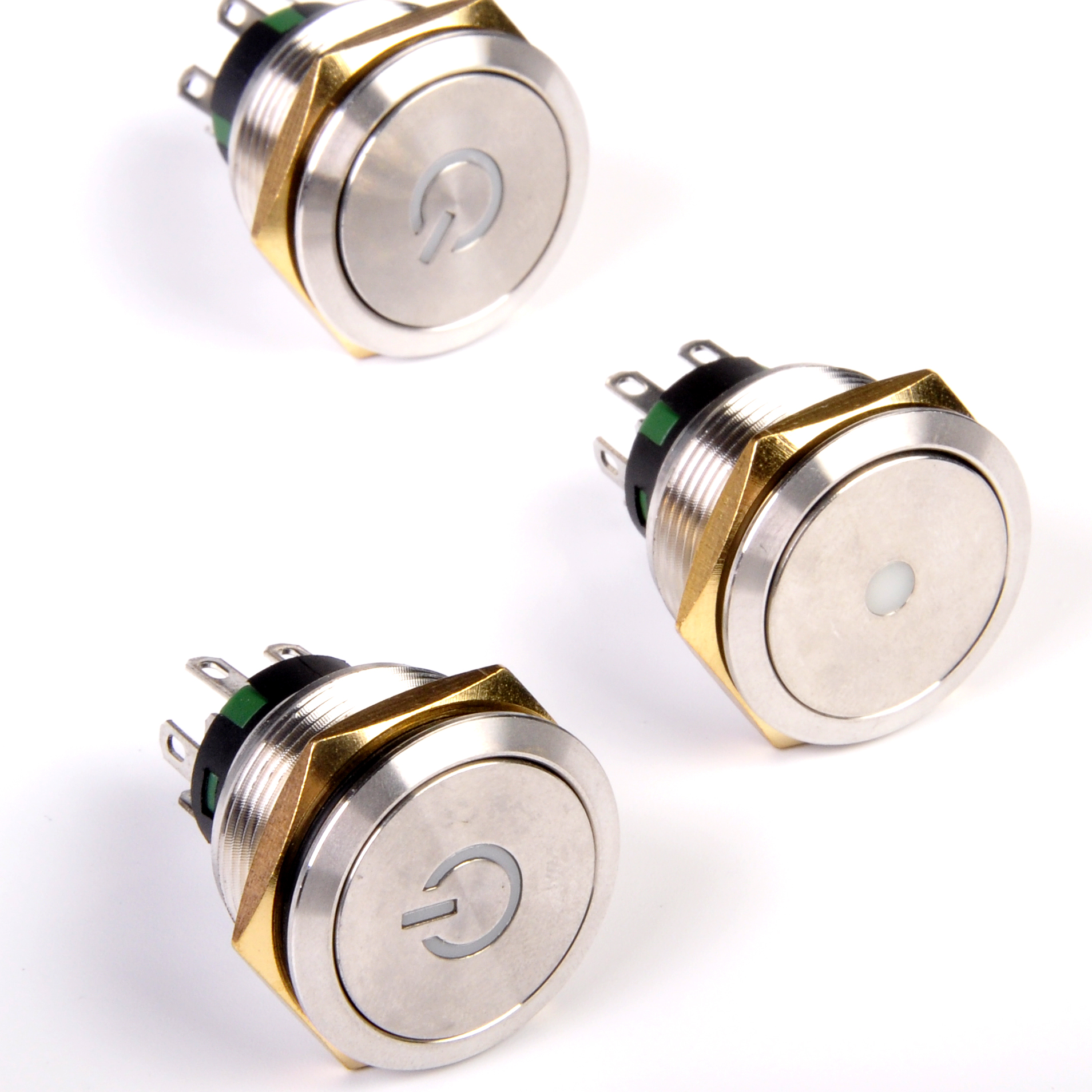
The reliability of a button switch determines whether your industrial equipment, consumer device, or control system operates safely and consistently over its intended lifespan. A button switch that fails prematurely can halt production, compromise safety protocols, and create unexpected maintenance costs. Understanding the factors that influence button switch performance is essential for engineers, procurement managers, and equipment designers who need to select components capable of meeting demanding operational requirements. This article explores the critical elements that govern button switch reliability and helps you make informed decisions about which button switch specifications matter most for your application.
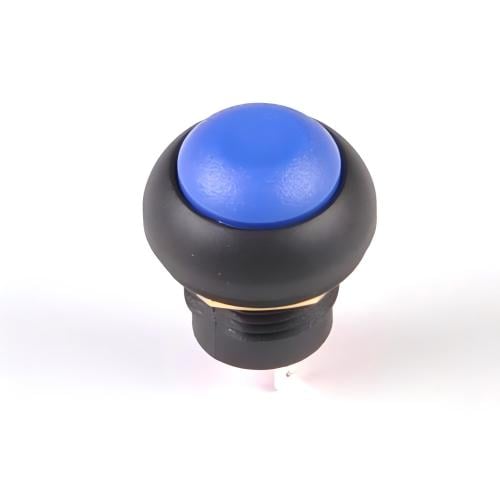
Selecting a reliable button switch requires more than choosing an aesthetically appropriate component. The performance characteristics embedded in button switch design, manufacturing quality, and contact materials directly impact how long the switch operates without degradation, false triggering, or mechanical failure. Industrial applications expose button switches to thermal cycling, vibration, moisture, and electrical stress that accelerate wear if the component lacks robust engineering. This comprehensive guide examines the mechanical, electrical, and environmental factors that separate high-performance button switches from those prone to early failure.
Mechanical Durability and Button Switch Construction
Contact Material and Switching Lifespan
The internal contact material of a button switch directly controls how many actuation cycles the switch can endure before electrical performance degrades. Precious metals like silver alloy or gold-plated contacts provide superior conductivity and resist oxidation, allowing the button switch to maintain consistent electrical properties across millions of cycles. Base metal contacts oxidize more readily and accumulate corrosion films that increase contact resistance and reduce the operational life of the button switch. Industrial environments with high humidity or corrosive atmospheres demand button switches with noble metal contacts to prevent premature electrical failure. The selection between contact material types represents one of the most significant reliability decisions when specifying a button switch for critical applications.
Mechanical Spring System and Tactile Response
The mechanical spring within a button switch must consistently return the actuator to its home position while maintaining precise contact engagement during each press. A button switch with a degraded spring loses tactile feedback and may fail to make or break electrical contact reliably. High-grade stainless steel or specialized alloy springs resist fatigue and maintain their force characteristics across billions of actuation cycles. A robust button switch spring system prevents contact bounce, ensures clean switching action, and eliminates the ambiguity that can arise from sluggish or inconsistent mechanical response. Engineers often overlook spring quality when evaluating button switch specifications, yet this component directly determines both the sensory feedback users experience and the electrical reliability of each switching event.
Electrical Performance Parameters of Button Switch Systems
Contact Resistance and Signal Integrity
Contact resistance measured in milliohms represents the electrical barrier that forms when a button switch transitions between open and closed states. Low contact resistance ensures that the button switch passes electrical signals with minimal voltage drop, preventing noise, signal degradation, or unintended triggering in sensitive circuits. A reliable button switch maintains stable contact resistance across its rated current range and throughout its operational lifespan. As button switch contacts degrade through oxidation or mechanical wear, contact resistance rises and can eventually exceed the tolerance limits specified by the equipment designer. For low-voltage signal applications, even slight increases in button switch contact resistance can cause false readings or system malfunction, making contact resistance one of the most critical electrical parameters for assessing button switch reliability.
Current Rating and Thermal Management
Every button switch carries a maximum current rating that indicates the electrical load the switch can safely handle without internal arcing or contact welding. Exceeding the rated current of a button switch generates excessive heat at the contact interface, accelerating material migration and permanent contact degradation. A well-engineered button switch incorporates contact geometry and material selection that enables efficient heat dissipation during normal switching events. Industrial applications with high inductive loads or frequent switching must use a button switch with adequate current margin to prevent thermal runaway and catastrophic contact failure. Proper thermal design within the button switch ensures that electrical stress translates into predictable, manageable heat that the switch structure can dissipate without damage.
Environmental Resilience and Operating Conditions
Temperature Cycling and Material Stability
Temperature fluctuations cause expansion and contraction in button switch materials at different rates, creating mechanical stress that accumulates through repeated thermal cycles. A reliable button switch uses materials with matched thermal expansion coefficients to minimize internal stress and prevent contact separation during thermal transitions. Extreme temperature ranges degrade contact film properties, alter spring force characteristics, and may cause plastic components within the button switch enclosure to become brittle or lose dimensional stability. Industrial environments exposed to freezing temperatures, high heat, or rapid thermal cycling demand button switches engineered specifically for wide temperature operating ranges. The mechanical integrity and electrical consistency of a button switch depend significantly on how well its constituent materials withstand the thermal abuse that production environments inflict continuously.
Moisture Protection and Corrosion Prevention
Moisture ingress represents one of the primary failure mechanisms in button switches deployed in humid, wet, or chemical environments. A button switch sealed with high-quality gaskets and designed with enclosed contact chambers prevents moisture from reaching internal contact surfaces where corrosion rapidly compromises switching performance. Precious metal contacts within a hermetically sealed button switch resist corrosion even in aggressive atmospheric conditions, whereas exposed contacts degrade quickly and become unreliable. Conformal coatings applied to button switch internal electronics provide additional protection against moisture and extend the operational life in marine, food processing, or chemical plant applications. The degree of environmental sealing built into a button switch directly determines whether it survives long-term exposure to moisture without developing intermittent faults or complete electrical failure.
FAQ
What electrical characteristics define a high-performance button switch?
A high-performance button switch demonstrates low contact resistance below 100 milliohms, minimal contact bounce less than 5 milliseconds, current ratings that provide adequate margin above the actual circuit requirement, and voltage specifications matching the application precisely. The button switch should also exhibit stable performance across its full temperature operating range without drift in contact resistance or mechanical response. Electrical consistency across the entire lifespan of the button switch indicates superior engineering and quality control during manufacturing.
How does operating environment affect button switch reliability?
Operating environment directly impacts button switch reliability through temperature extremes, moisture exposure, vibration stress, and chemical contamination. A button switch rated for the specific environmental conditions of your application will maintain performance consistency, whereas an under-specified button switch exposed to harsh conditions will deteriorate rapidly and fail prematurely. Always verify that the button switch you select carries environmental certifications and specifications matching your actual deployment conditions, including temperature range, humidity levels, and chemical exposure.
What mechanical factors indicate a reliable button switch design?
A reliable button switch demonstrates robust spring mechanics that maintain consistent force across billions of cycles, high-quality contact materials resistant to oxidation and wear, precise mechanical tolerances that ensure repeatable actuation feel, and actuator design that minimizes side loading and stress concentration. The physical construction of the button switch should show evidence of quality manufacturing with tight dimensional control and durable exterior materials. Mechanical durability combined with electrical consistency defines a button switch worthy of demanding industrial applications.