
 EN
EN
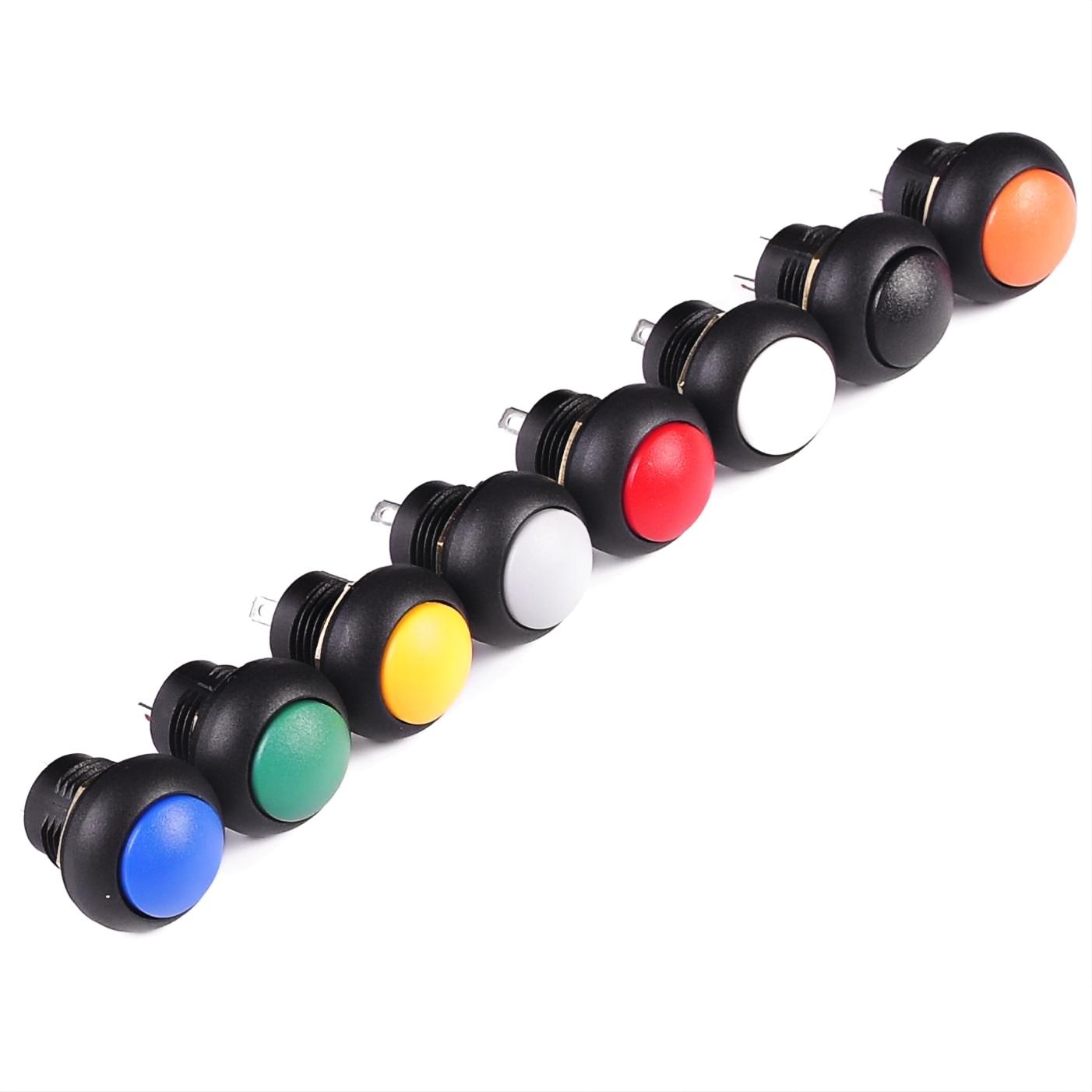
The button switch has become fundamental to modern equipment design, serving as the primary interface between operators and complex machinery. In today's industrial and consumer markets, a button switch enables intuitive control, reliable signal transmission, and enhanced user safety across countless applications. Understanding how button switch technology integrates into modern systems is essential for engineers, procurement specialists, and equipment manufacturers seeking to optimize operational efficiency and user experience.
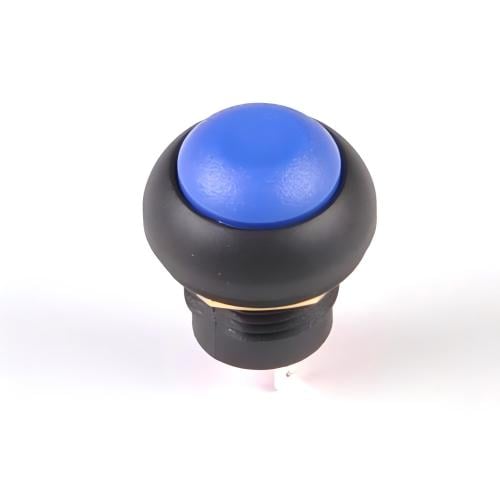
Modern equipment demands switching solutions that balance durability, responsiveness, and aesthetic integration. The button switch achieves this by combining mechanical precision with electrical reliability, making it suitable for applications ranging from medical devices to heavy industrial machinery. Today's button switch implementations must address environmental challenges, EMC compliance, and rapid production cycles while maintaining cost-effectiveness and performance consistency.
Button Switch Integration in Control Systems
Core Functionality and Signal Transmission
A button switch functions as a momentary or maintained electrical contact device that translates mechanical pressure into electronic signals. When an operator presses the button switch, internal contacts bridge or break an electrical circuit, transmitting control commands to microcontrollers, PLCs, or relay systems. The button switch design must ensure clean signal transmission with minimal contact bounce, preventing spurious commands that could disrupt machine sequences or compromise safety protocols.
Modern button switch solutions incorporate debounce circuitry and gold-plated contacts to maximize signal reliability in electromagnetic environments. The button switch operates within strict electrical parameters, typically handling currents ranging from milliamps in low-voltage logic circuits to several amperes in direct load switching applications. Selecting the appropriate button switch rated for your equipment's voltage and current requirements prevents premature failure and ensures consistent operator feedback during critical machine operations.
Ergonomic Design and User Interface
Equipment manufacturers integrate the button switch to create intuitive, accessible control interfaces that minimize operator training time and reduce human error. The button switch design includes tactile feedback through click-action mechanisms, confirming to users that their input has registered. Colored button switch caps provide instant visual identification of function categories such as emergency stop (red), start (green), and mode selection (blue or yellow), enabling rapid operator response in high-pressure environments.
Contemporary button switch solutions feature ergonomic profiles that reduce hand fatigue during extended operation, particularly in manufacturing or medical settings where operators repeatedly activate controls. The button switch mounting architecture allows flexible positioning to match equipment layout, panel geometry, and accessibility requirements. Illuminated button switch variants provide additional feedback in low-light environments, signaling operational status or active modes while enhancing workplace safety and equipment visibility.
Industrial Applications and Environmental Considerations
Sector-Specific Button Switch Requirements
Manufacturing facilities deploy button switch technology across assembly lines, where rapid control actuation and high cycle counts demand exceptional mechanical durability. The button switch must withstand millions of activation cycles while maintaining consistent electrical characteristics and tactile response. Industrial-grade button switch products use stainless steel housings and sealed contact chambers to resist dust, moisture, and chemical exposure that would compromise standard commercial switches.
Medical equipment manufacturers select button switch solutions meeting ISO 13732 and IEC 60601 standards, ensuring biocompatibility and electromagnetic compatibility for patient safety. The button switch in surgical instruments or diagnostic equipment must deliver millisecond-level response times while preventing cross-contamination through sealed, cleanable designs. Food processing industries require button switch implementations with IP67 or IP68 ratings, allowing washdown procedures and maintaining functionality in wet, caustic environments where corrosion threatens traditional switching components.
Environmental Durability and Protection Standards
Modern button switch specifications address temperature extremes, ranging from sub-zero aerospace applications to high-temperature industrial furnaces exceeding 100 degrees Celsius. Advanced button switch materials including polyetheretherketone (PEEK) and phenolic compounds provide thermal stability without sacrificing mechanical strength or electrical insulation properties. Conformal coating applied to button switch contact assemblies protects against humidity, salt spray, and atmospheric corrosion in maritime or outdoor equipment installations.
Equipment operating in explosive atmospheres requires button switch solutions certified to ATEX or IEC Ex standards, featuring intrinsically safe designs that prevent ignition of flammable gases or vapor clouds. The button switch construction in these hazardous environments includes sealed housings, reduced contact arcing, and specific material restrictions to eliminate static discharge risks. Compliance-certified button switch products eliminate retrofit requirements and regulatory penalties while protecting personnel in chemical plants, refineries, and mining operations.
Selection Criteria and Implementation Strategy
Electrical Specifications and Circuit Integration
Selecting the correct button switch requires matching electrical ratings to equipment power budgets and control logic requirements. The button switch must accommodate peak inrush currents during relay or motor startup, typically two to three times normal operating currents, without accelerating contact wear or generating excessive heat. Low-voltage button switch designs operating below 50 volts typically use dry-contact configurations, while high-power button switch applications may incorporate double-throw configurations enabling load transfer or emergency isolation functions.
Equipment designers evaluate button switch contact materials including silver alloy, gold plating, and nickel-silver combinations based on expected current loads and environmental exposure. The button switch specification sheet documents bounce characteristics, establishing maximum permissible signal transition times before microcontroller sampling occurs. Advanced button switch solutions integrate RC filter networks or electronic debounce algorithms, accommodating contact instability inherent in mechanical switching while preventing false signal triggers.
Mechanical Integration and Mounting Strategies
Modern equipment mounting systems position the button switch to maximize operator accessibility while protecting switch mechanisms from incidental damage or water ingress. Panel-mount button switch designs utilize threaded bodies or bayonet connectors, providing robust mechanical retention and easy field replacement during maintenance cycles. The button switch installation must account for panel thickness, requiring adapters or extended bushings to ensure proper seating and electrical contact continuity.
Designers implement protective caps and guards around button switch assemblies in high-vibration environments, preventing accidental activation or mechanical shock damage during equipment transport or installation. The button switch layout planning considers logical grouping by function, color coding for rapid operator response, and spacing to prevent simultaneous multi-button activation errors. Sealed button switch connectors protect internal wiring connections from moisture infiltration, particularly critical in washdown environments or equipment exposed to marine environments.
FAQ
What makes a button switch suitable for heavy industrial machinery?
Heavy industrial machinery demands button switch solutions rated for high cycle counts, typically exceeding 10 million actuations without performance degradation. Industrial-grade button switch products feature sealed contact chambers preventing dust or moisture ingress, stainless steel construction resisting corrosion, and contact materials optimized for high-current switching. Temperature-rated button switch designs maintain consistency across furnace environments or outdoor installations, while compliant button switch specifications ensure EMC performance in electrically noisy factory settings.
How do illuminated button switches enhance equipment control?
Illuminated button switch variants integrate LED technology providing real-time operational feedback in low-light manufacturing environments or control rooms. The button switch illumination patterns indicate equipment status such as power-on, warning conditions, or active mode selection, reducing operator confusion and accelerating response times. Energy-efficient button switch illumination using low-power LEDs minimizes power consumption while maintaining visibility over long operational shifts, improving overall equipment usability and workplace safety.
Can a button switch be retrofitted into existing equipment?
Retrofitting a button switch into legacy equipment requires careful verification of mounting dimensions, electrical ratings, and connector compatibility with original control systems. Panel-mount button switch designs offer flexibility for field installation, though extended downtime and production disruptions must be factored into retrofit planning. Consulting equipment manufacturers or control system integrators ensures the replacement button switch meets original performance specifications, compliance requirements, and safety standards while maintaining warranty validity.