
 EN
EN
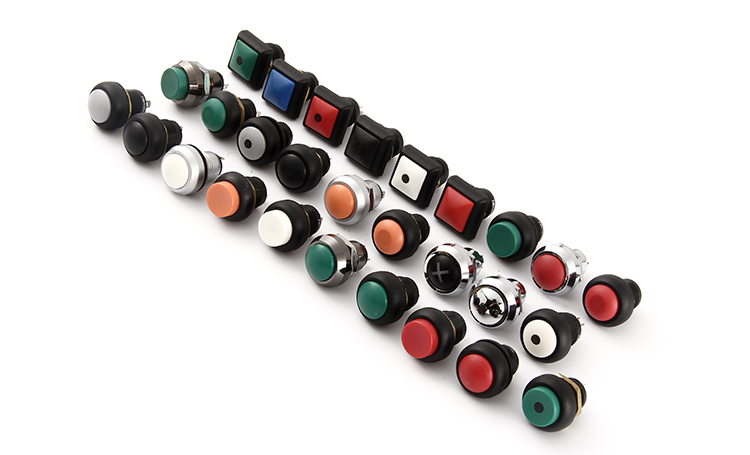
Pushbuttons serve as fundamental interface components that bridge the gap between human operators and complex industrial machinery. In manufacturing environments, control rooms, and automated systems, pushbuttons provide tactile feedback, intuitive operation, and reliable signal transmission that operators depend on daily. Understanding how pushbuttons improve interaction between operators and machines reveals why they remain essential in modern industrial design despite advancing technology.
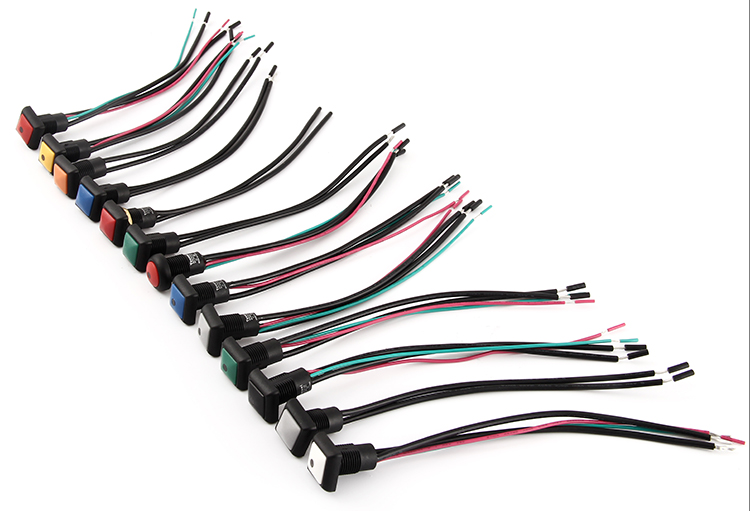
Effective machine operation requires operators to execute commands quickly, accurately, and safely. Pushbuttons accomplish this by offering direct mechanical engagement with control systems. When an operator presses a pushbutton, the action initiates a defined response from the machine or process. This direct cause-and-effect relationship creates confidence and control, enabling operators to manage complex systems with clarity and precision. The sensory feedback from pressing pushbuttons also reduces cognitive load, allowing operators to focus on monitoring overall system performance.
The Sensory Feedback Advantage of Pushbuttons
Tactile Response and Operator Confidence
One of the most significant ways pushbuttons improve interaction between operators and machines is through tactile feedback. Unlike digital touchscreens that provide only visual confirmation, pushbuttons deliver physical resistance and a distinct click or actuation point. This mechanical response confirms to the operator that a command has been registered. In high-stakes industrial environments, this tangible feedback is invaluable because operators can be certain their input reached the control system without looking at a display screen. Pushbuttons enable eyes-free operation, which is critical when operators must monitor multiple process parameters simultaneously.
Reducing Accidental Activation and Error
Pushbuttons significantly reduce unintended command activation compared to less tactile interfaces. Because they require deliberate physical pressure, accidental touches or electromagnetic interference cannot trigger them. In manufacturing settings where precision matters, this reliability directly improves safety and product quality. Emergency stop pushbuttons exemplify this principle; their design ensures operators can execute critical safety functions reliably during high-stress situations. The mechanical nature of pushbuttons makes them resistant to false triggering, a characteristic that digital interfaces struggle to match without software redundancy.
Enhancing Speed and Efficiency of Machine Control
Rapid Command Execution for Time-Critical Operations
In production environments where timing is critical, pushbuttons excel at enabling rapid operator response. The minimal distance between activation intent and execution makes pushbuttons faster than navigating menu-driven interfaces or touchscreen systems. Operators working with pushbuttons can execute sequences of commands with muscle memory, allowing their hands and fingers to operate control panels automatically. This speed advantage directly translates to increased throughput and reduced cycle times. For assembly lines, packaging operations, and continuous manufacturing processes, this efficiency gain compounds across thousands of daily operations, resulting in significant productivity improvements.
Ergonomic Integration and Reduced Fatigue
Pushbuttons can be arranged to match operator workflow patterns and hand positions, creating ergonomically optimized control panels. Unlike centralized digital touchscreens that may require awkward reaches or posture adjustments, pushbuttons can be distributed strategically around workstations. This spatial organization reduces repetitive strain injuries and operator fatigue during long shifts. When pushbuttons are positioned intuitively according to machine sequence and operator movement patterns, the interaction becomes natural and sustainable. Operators report fewer errors and less physical stress when working with well-designed pushbutton control systems compared to confined digital interfaces.
Safety Integration and Risk Mitigation Through Pushbuttons
Emergency Control and Immediate Response
Pushbuttons provide the most reliable method for emergency intervention in machine control systems. Emergency stop pushbuttons are designed as large, red, mushroom-shaped buttons that operators can activate instinctively during equipment malfunction or safety threats. Unlike software-based shutdown commands that depend on system responsiveness, pushbuttons provide immediate mechanical interruption of machine operation. This hardwired reliability makes pushbuttons essential for meeting industrial safety standards and regulatory compliance requirements. The mechanical independence of pushbuttons ensures that even if the main control system fails, emergency pushbuttons remain functional.
Preventing Hazardous Mode Transitions
Pushbuttons improve interaction between operators and machines by enabling controlled mode transitions. For example, operators use specific pushbuttons to select manual, semi-automatic, or automatic operation modes. This deliberate selection process prevents unexpected machine behavior that could result from accidental mode changes. Pushbuttons designed with protective guards or recessed surfaces further enhance safety by requiring conscious operator action rather than passive interface contact. When machines transition between operating states through discrete pushbutton commands, operators maintain clear awareness of current system status and can anticipate machine behavior accordingly.
Compatibility and Reliability in Industrial Environments
Durability Under Harsh Operating Conditions
Industrial environments expose control interfaces to dust, moisture, chemical splashes, temperature extremes, and vibration. Pushbuttons demonstrate superior durability in these conditions because they contain no fragile touchscreen glass, no sensitive electronics, and no complex firmware. A well-designed pushbutton with appropriate IP rating and sealed construction operates reliably for years despite harsh conditions. Digital interfaces require protective barriers and climate-controlled enclosures that increase cost and complexity. The mechanical simplicity of pushbuttons means fewer failure points and longer operational lifespan, making them economical for industrial facilities.
Integration with Legacy and Modern Systems
Many industrial facilities operate equipment spanning multiple decades, from vintage machinery to cutting-edge automated systems. Pushbuttons serve as universal control components that interface seamlessly across this technological spectrum. Whether connected to relay logic, programmable logic controllers, or advanced industrial computers, pushbuttons provide consistent functionality. This compatibility makes pushbuttons ideal for retrofitting older machines with enhanced control capabilities without requiring complete system replacement. The simplicity of pushbutton electrical connections also makes troubleshooting straightforward for maintenance technicians, reducing downtime when control issues occur.
FAQ
Why Are Pushbuttons Better Than Touchscreen Interfaces for Machine Control?
Pushbuttons provide tactile feedback, eyes-free operation, faster command execution, and reliable function in harsh industrial environments. Touchscreens can be damaged by moisture and dust, may require protective covers that hinder usability, and often suffer from reduced responsiveness at temperature extremes. Additionally, pushbuttons eliminate the cognitive load of menu navigation, allowing operators to execute commands through muscle memory. In emergency situations, the reliability of pushbuttons can be literally lifesaving compared to digital interfaces that may freeze or become unresponsive under stress.
How Do Pushbuttons Contribute to Machine Safety Standards?
Pushbuttons meet rigorous international safety standards including ISO 13850 for emergency stop devices. Their mechanical design ensures that emergency pushbuttons remain functional even when primary control systems fail. Pushbuttons can be arranged to prevent accidental activation of dangerous functions while ensuring immediate access to safety controls. The hardwired nature of pushbuttons means they don't depend on software algorithms or network connectivity, making them inherently safer than digitally mediated controls. Many regulatory frameworks specifically require pushbutton emergency controls because of this proven reliability record.
Can Pushbuttons Be Integrated Into Modern Automated Manufacturing Systems?
Yes, pushbuttons integrate seamlessly into contemporary industrial systems through programmable logic controllers and human-machine interface panels. Modern pushbuttons can incorporate LED indicators, different actuation characteristics, and multiple contact configurations to support advanced automation requirements. Many facilities combine pushbuttons with digital displays, creating hybrid control systems that leverage the strengths of both technologies. This integration approach provides operators with tactile control over critical functions while maintaining access to sophisticated monitoring and diagnostic capabilities through digital interfaces.