
 EN
EN
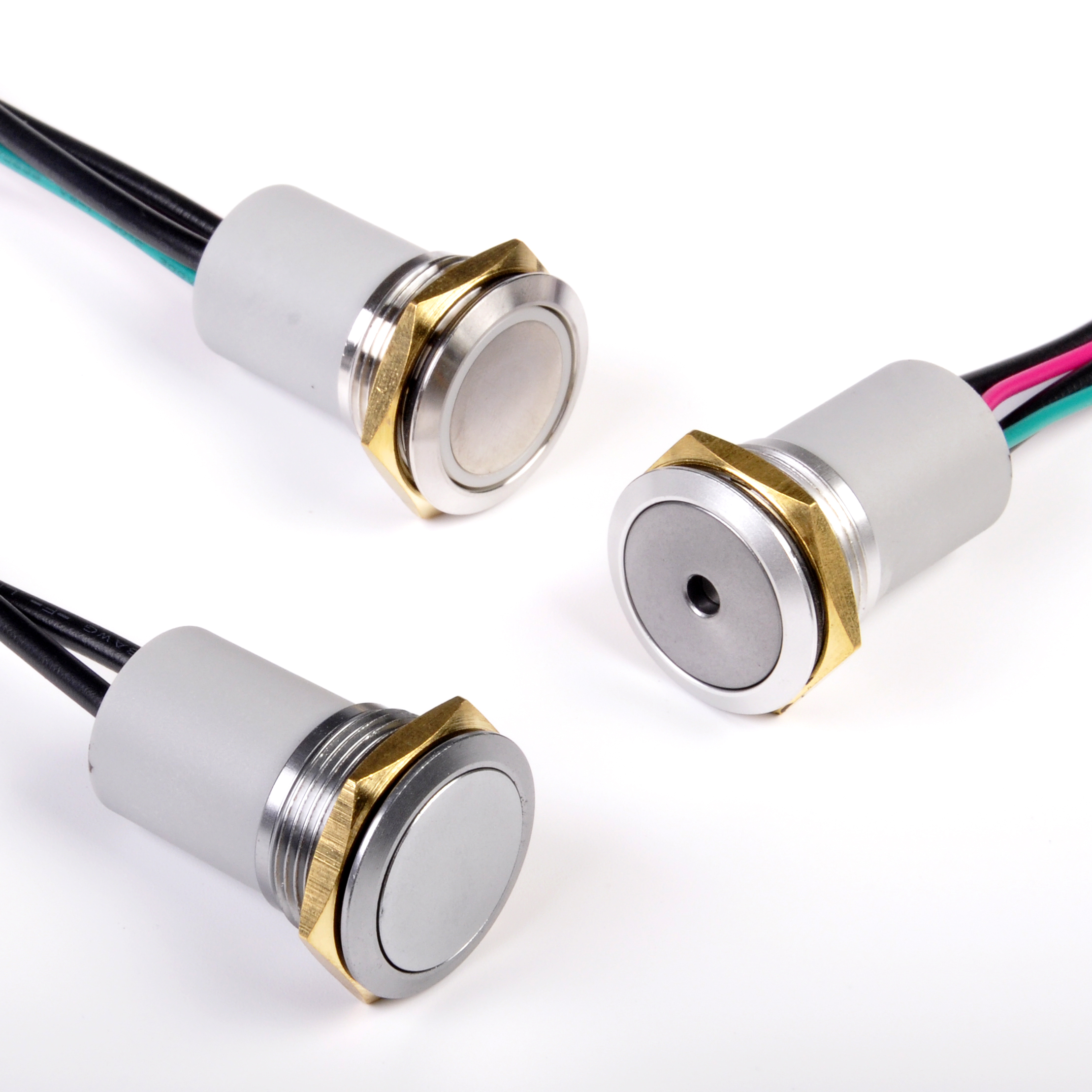
Industrial equipment demands precise, intuitive control mechanisms that operators can rely on every single day. A push button on off switch represents one of the most fundamental yet effective tools for achieving this goal. This simple but powerful interface element stands at the intersection of safety, efficiency, and user experience in modern equipment design. Understanding how a push button on off switch improves control efficiency reveals why this technology remains indispensable across manufacturing floors, utility operations, and automated systems worldwide.
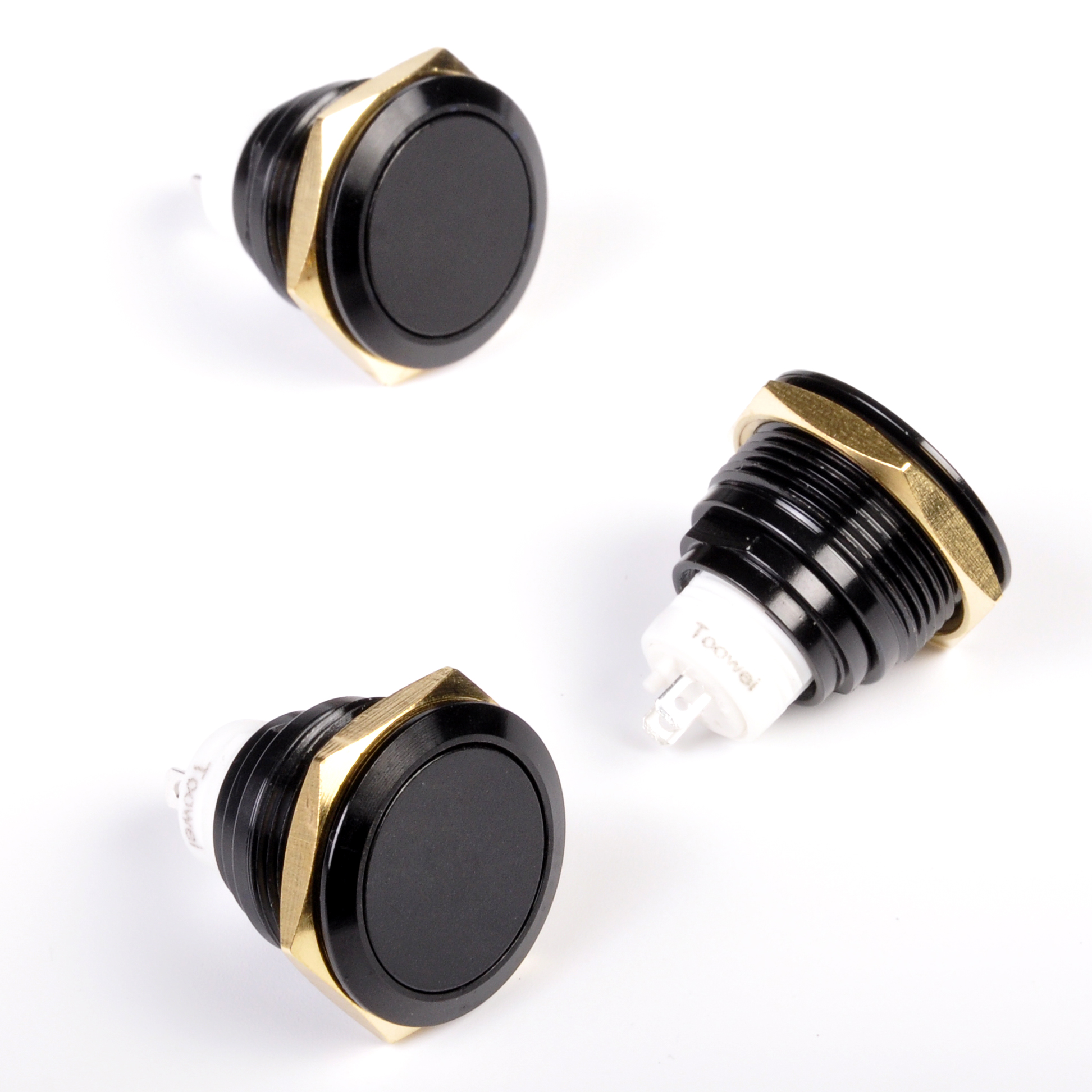
The efficiency gains from implementing a properly designed push button on off switch extend far beyond simple on-off functionality. A push button on off switch creates a direct, immediate connection between operator intent and equipment response, eliminating ambiguity and delays that characterize less responsive control systems. This direct interaction model reduces the cognitive load on operators, minimizes training requirements, and significantly decreases the likelihood of accidental misoperation that can damage equipment or compromise worker safety.
How Push Button On Off Switch Design Enhances Operational Control
Immediate Response and Tactile Feedback
The mechanical action of a push button on off switch delivers tactile feedback that electronic interfaces cannot match. When an operator presses a push button on off switch, they feel distinct physical resistance followed by an immediate click or snap sensation, confirming that the command has been registered. This tactile confirmation eliminates uncertainty about whether a command was successfully transmitted. The sensory experience reduces operator stress and builds confidence in equipment responsiveness. A push button on off switch with quality construction provides this feedback consistently across millions of operational cycles, maintaining reliability throughout its service life.
Reduced Cognitive Load and Faster Decision Making
Equipment operators working in high-pressure environments need control solutions that do not demand extensive thought or interpretation. A push button on off switch operates on pure binary logic: pressed means on, released means off. This simplicity allows operators to maintain focus on the broader task at hand rather than managing interface complexity. When a push button on off switch is positioned ergonomically near the operator's natural working zone, response times decrease measurably. Industrial studies demonstrate that facilities implementing well-designed push button on off switch systems reduce equipment startup and shutdown times by fifteen to twenty-five percent compared to legacy remote control or panel-based systems.
Reliability and Safety Benefits of Push Button On Off Switch Technology
Failsafe Design and Error Prevention
Modern industrial environments demand fail-safe control mechanisms that prevent unintended equipment activation. A push button on off switch can be engineered with spring-return mechanisms that automatically return the button to its home position when pressure is released. This design ensures that prolonged equipment operation requires continuous deliberate action rather than accidental sustained engagement. Many industrial specifications mandate that a push button on off switch include a protective guard or recessed design to prevent casual bumping from triggering unwanted operations. The push button on off switch architecture inherently supports these safety requirements without requiring complex electronic override systems.
Durability and Minimal Maintenance
Equipment control systems must operate reliably in challenging environments, from food processing plants with high humidity to mining operations with dust and vibration. A well-engineered push button on off switch withstands millions of activation cycles with minimal degradation. The mechanical simplicity of a push button on off switch means fewer components can fail compared to complex electronic alternatives. Regular maintenance of a push button on off switch typically involves basic cleaning and occasional lubrication rather than recalibration or software updates. This low-maintenance profile directly reduces downtime and associated productivity losses. Industrial-grade push button on off switch models are rated for hundreds of millions of operations before requiring replacement, translating to years of reliable service.
Integration of Push Button On Off Switch Into Modern Equipment Systems
Compatibility With Automation and Control Architectures
Contemporary equipment increasingly integrates automation systems alongside traditional manual controls. A push button on off switch serves as the manual override and emergency access point within these hybrid systems. Automation engineers design systems where the push button on off switch provides direct equipment control for emergency situations while normal operation flows through programmed sequences. This redundancy ensures that operators always retain direct control when needed, meeting critical safety standards in industries ranging from food manufacturing to hazardous material handling. The push button on off switch becomes the trusted fallback mechanism that prevents complete system dependency on digital control.
Ergonomic Placement and Workflow Optimization
Strategic positioning of a push button on off switch dramatically impacts operator efficiency and injury prevention. Design engineers place the push button on off switch at wrist height and within the operator's natural reach zone, minimizing awkward movements and repetitive strain. Color coding conventions—typically red for off and green for on—make the push button on off switch function immediately recognizable without requiring verbal or digital communication. Facilities that optimize their push button on off switch placement report improved operator satisfaction and measurable reductions in musculoskeletal strain injuries. The push button on off switch becomes part of an integrated ergonomic strategy rather than an isolated component.
FAQ
What distinguishes industrial-grade push button on off switch from consumer-grade alternatives?
Industrial-grade push button on off switch components are engineered for harsh environments, extended duty cycles, and critical safety applications. They feature robust materials like stainless steel housings, higher electrical ratings, and contact materials that resist corrosion and wear. A consumer-grade push button on off switch typically operates safely for thousands of cycles, while industrial variants withstand hundreds of millions. Industrial designs incorporate sealed construction to resist moisture, dust, and chemical exposure. Certifications like IP67 or higher define exactly how a push button on off switch performs under extreme conditions, ensuring predictability in mission-critical applications.
Can a push button on off switch reduce training time for new equipment operators?
Yes, the intuitive nature of a push button on off switch significantly shortens operator onboarding. New employees immediately understand that pressing activates equipment while releasing or pressing again deactivates it. This universal interface pattern requires minimal explanation compared to complex control panels or digital menus. Many facilities report that operators achieve competency with push button on off switch systems within minutes rather than hours. The standardization of push button on off switch layouts across different equipment types within a facility creates consistent expectations, further accelerating the learning curve for operators transitioning between machines.
How does a push button on off switch improve safety compliance in regulated industries?
Regulatory bodies in manufacturing, pharmaceutical, and utility sectors recognize the push button on off switch as meeting fundamental safety requirements for emergency stop systems and direct control. A push button on off switch design that fails safe—returning to off when pressure is released—satisfies emergency shutdown mandates without requiring complex electronic validation. Audit documentation for a push button on off switch is straightforward: operators demonstrate direct, immediate response to control commands with no lag or uncertainty. The push button on off switch becomes central evidence of compliance with industry standards governing operator safety and equipment control reliability.