
 EN
EN
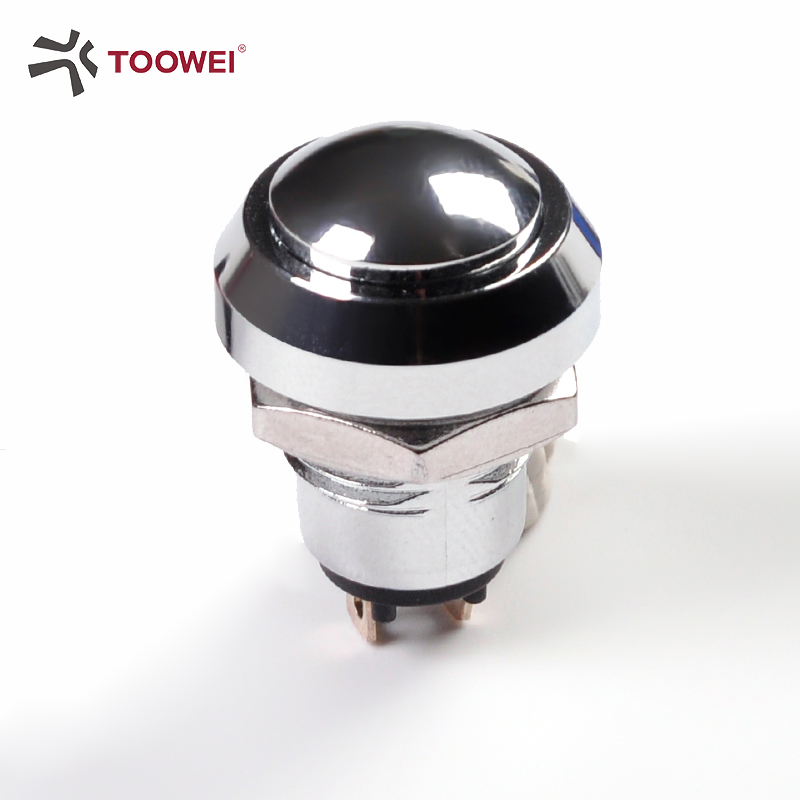
Selecting the right momentary push button requires careful evaluation of multiple technical and operational factors. In industrial control systems, automation equipment, and consumer electronics, the choice of momentary push button directly impacts system reliability, user safety, and operational longevity. A momentary push button that does not meet your application's specific requirements can lead to premature failure, safety hazards, or costly equipment downtime. Understanding the key evaluation criteria helps engineers and procurement professionals make informed decisions when sourcing a momentary push button for their projects.
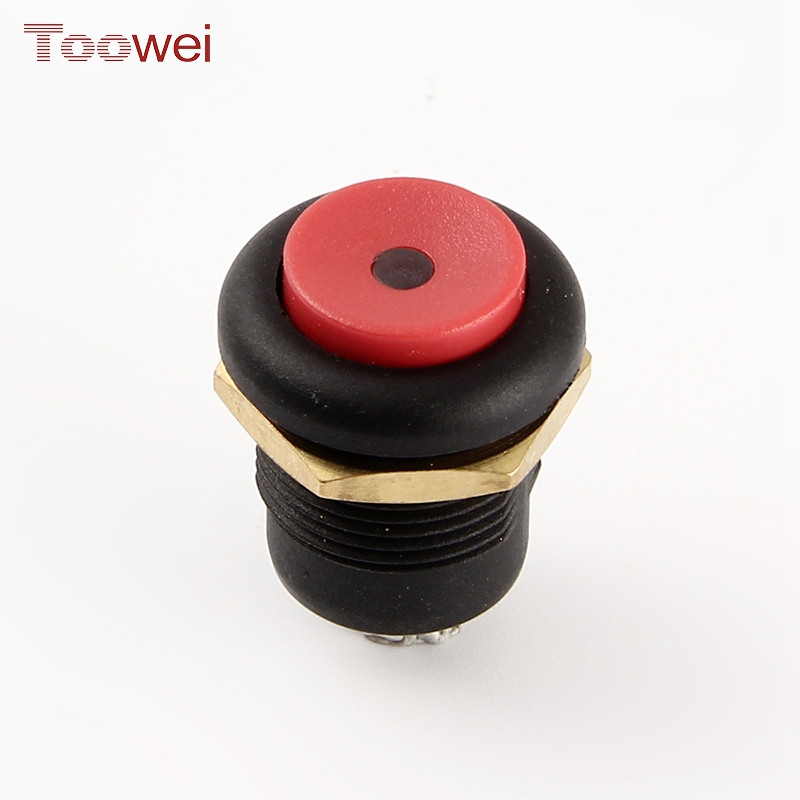
The process of evaluating a momentary push button begins with understanding your application's specific demands. Whether you are designing control panels, medical equipment, industrial machinery, or consumer appliances, the momentary push button must perform consistently under your exact operating conditions. This guide walks through the essential factors that should guide your momentary push button selection process, ensuring you choose a component that delivers durability, safety, and cost-effectiveness.
Actuation Force and Travel Distance
Understanding Mechanical Specifications
The actuation force of a momentary push button refers to the physical force required to press the button and trigger its electrical contacts. This specification is measured in grams or Newtons and varies significantly across different momentary push button designs. A momentary push button with insufficient actuation force may trigger accidentally due to vibration or unintended contact, while excessive force can cause operator fatigue and reduce usability. Travel distance, the physical distance the button moves before contact closure occurs, works in conjunction with actuation force to define the overall tactile experience. When evaluating a momentary push button, matching these mechanical properties to your application ensures both reliable operation and user comfort.
Application-Specific Force Requirements
Different industries have distinct requirements for momentary push button actuation force. In medical devices, a momentary push button typically requires lower force to accommodate patients with reduced hand strength. In industrial control rooms, a momentary push button may need higher force to prevent accidental activation during high-vibration operations. Emergency stop buttons often employ a larger, mushroom-shaped momentary push button with specific force profiles designed to ensure deliberate activation. Understanding your environment's noise levels, operator types, and safety requirements helps determine the ideal actuation force for your momentary push button selection.
Electrical Ratings and Contact Material
Voltage and Current Capacity
The electrical rating of a momentary push button defines the maximum voltage and current it can safely interrupt or conduct. Selecting a momentary push button rated below your circuit's voltage and current specifications creates serious safety risks, including contact failure, arcing, and potential equipment damage. A momentary push button rated significantly higher than necessary may increase costs unnecessarily. Contact material composition directly influences a momentary push button's electrical performance, with silver alloy and gold-plated contacts offering superior conductivity and reliability compared to standard brass. When evaluating a momentary push button, verify that both voltage and current ratings exceed your application's peak demands with appropriate safety margins.
Contact Resistance and Switching Performance
Contact resistance in a momentary push button affects signal integrity in sensitive circuits. A momentary push button with high contact resistance may introduce voltage drops, logic errors, or signal degradation in low-voltage control systems. The switching life of a momentary push button indicates how many on-off cycles the contacts can complete before performance degradation occurs. High-cycle applications demand a momentary push button engineered with durable contact materials and robust mechanical design. Test data for your specific momentary push button model should clarify contact resistance under operating conditions and expected switching life under your load type.
Environmental and Operating Conditions
Temperature, Humidity, and Protection Rating
Environmental resilience is critical when selecting a momentary push button for demanding applications. Temperature extremes can affect the momentary push button's actuation force, contact resistance, and plastic component integrity. A momentary push button specified for outdoor, industrial, or sealed-enclosure applications must maintain performance across wide temperature ranges, often from minus 20 to plus 70 degrees Celsius. Humidity and moisture ingress represent another major failure mode; selecting a momentary push button with appropriate IP (Ingress Protection) rating ensures contacts remain protected in wet environments. A momentary push button rated IP67 provides sealed protection suitable for wet environments, while IP65 works for splash zones, and IP20 suits dry indoor control rooms. Evaluate your specific environment—indoor versus outdoor, clean room versus workshop—to choose a momentary push button with matching protection.
Vibration and Mechanical Durability
High-vibration environments require careful momentary push button selection to prevent premature mechanical failure or unintended activation. A momentary push button installed in mobile equipment, heavy machinery, or transportation systems experiences continuous mechanical stress. Robust internal spring systems and stable housing designs distinguish reliable momentary push button models from lower-quality alternatives. The momentary push button mounting method also influences vibration resistance; secure panel mounting and strain relief on wiring help isolate the momentary push button from excessive mechanical shock. Evaluate mounting compatibility and mechanical specifications to ensure your momentary push button survives your application's vibration profile without performance loss or safety compromise.
Size, Mounting, and Integration Factors
Physical Dimensions and Panel Space Constraints
Panel space limitations often constrain momentary push button size selection. Compact industrial control panels may require a small-diameter momentary push button, while emergency stations often use larger mushroom-head designs for high visibility. The momentary push button mounting hole diameter, depth, and connector type must align with your panel design and available space. Beyond physical fit, operator accessibility matters; a momentary push button positioned awkwardly or obscured by surrounding components reduces usability and safety. Evaluate your panel layout early in the design process to confirm a momentary push button selection that fits both spatially and functionally.
Connector Types and Integration Compatibility
Different momentary push button models offer various connection methods: solder tabs, screw terminals, PCB connectors, and IP67-rated connectors. Your choice of momentary push button connector type must match your control circuit's wiring standard and future serviceability needs. A momentary push button with screw terminals allows easier field replacement, while a momentary push button with solder tabs reduces assembly cost in high-volume manufacturing. Standardizing on compatible momentary push button connector types across your product line simplifies inventory management and technical training. Confirm that your selected momentary push button integrates seamlessly with your PCB layout, wiring harness, and maintenance procedures.
FAQ
What is the typical lifespan of a momentary push button in industrial use?
A well-selected momentary push button typically endures 500,000 to 1 million mechanical cycles in standard industrial duty. Heavy-use applications with frequent activation may require a momentary push button rated for 5 million cycles or higher. The actual lifespan depends on the specific momentary push button model, load type, environmental conditions, and maintenance practices. Premium momentary push button designs with sealed contacts last significantly longer in harsh environments. Always verify the expected operating life for your specific momentary push button in the manufacturer's technical documentation.
Can a momentary push button be used in safety-critical applications?
Yes, a momentary push button can be used in safety-critical applications when properly specified and certified. Emergency stop buttons use a momentary push button design and must meet stringent safety standards including ISO 13850 and IEC 60204-1. Your momentary push button must be rated for the safety integrity level required by your application and undergo appropriate testing and validation. Dual-channel momentary push button designs with redundant contacts provide additional safety assurance for critical systems. Consult safety standards and conduct risk assessment before finalizing your momentary push button selection for safety-critical roles.
How do I choose between different momentary push button actuation forces?
Select your momentary push button's actuation force by balancing accidental activation risk against operator convenience. Higher actuation force reduces unintended triggers but increases fatigue during frequent use. Review your application's environmental vibration levels, typical operator characteristics, and frequency of activation to determine the ideal momentary push button force range. Test samples of different momentary push button force ratings in your actual application environment whenever feasible. Standardize on a momentary push button actuation force that your operators find comfortable while maintaining reliable function under all expected operating conditions.