
 EN
EN
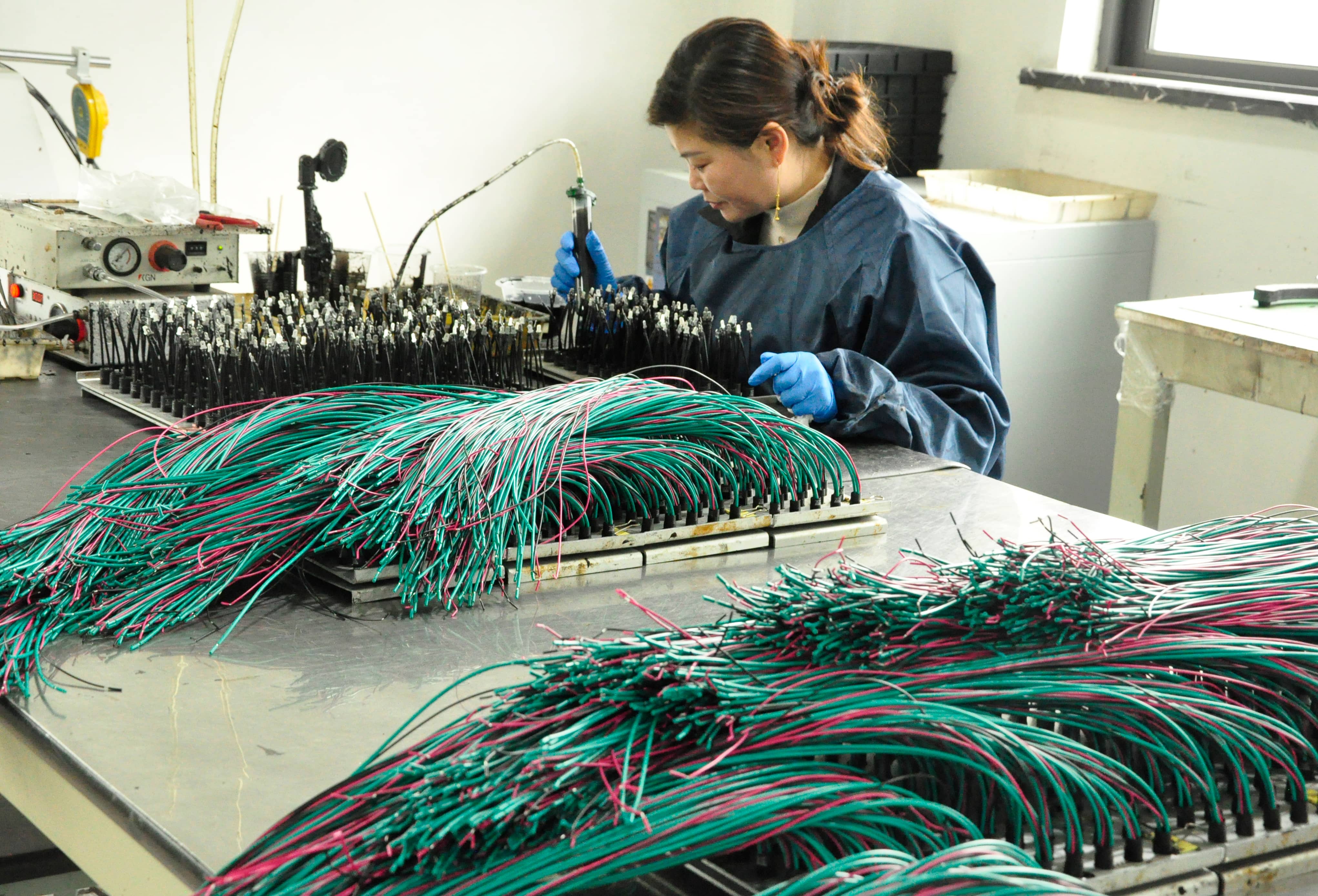
Selecting the right switch manufacturer is a critical business decision that directly impacts your product quality, operational reliability, and long-term supply chain stability. Whether you are an OEM, systems integrator, or industrial equipment producer, the choice of a switch manufacturer affects everything from component performance to delivery schedules and technical support. Companies often focus narrowly on price when evaluating a switch manufacturer, but this approach frequently leads to quality issues, inconsistent supply, and hidden costs that emerge only after production has begun. A strategic evaluation process helps organizations identify the ideal switch manufacturer that aligns with technical specifications, volume requirements, and business continuity objectives.
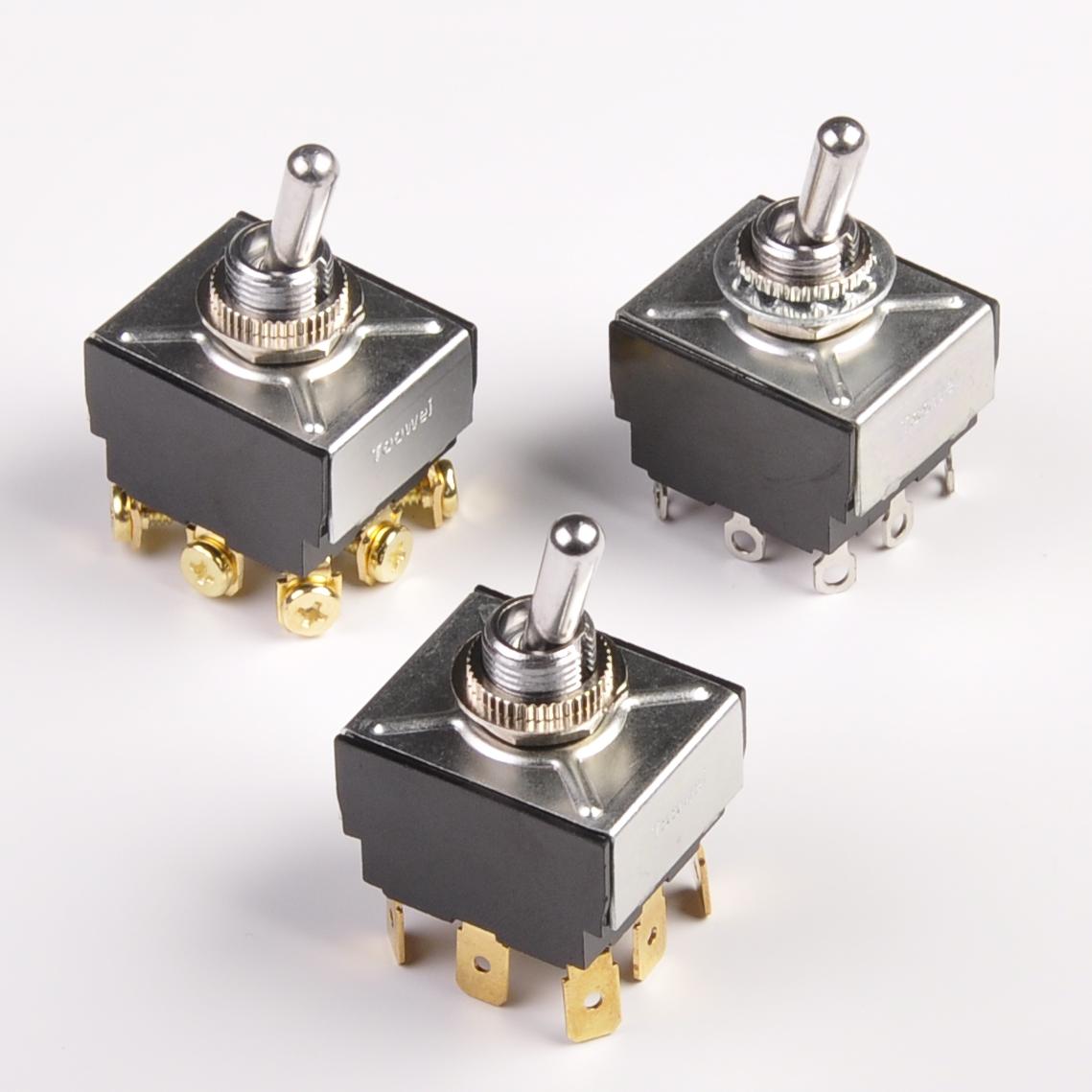
The process of choosing a switch manufacturer requires a structured evaluation framework that addresses both immediate technical needs and strategic partnership considerations. A capable switch manufacturer must demonstrate proven manufacturing expertise, quality certifications, consistent delivery performance, and the technical depth to support customization when required. This article guides you through the essential evaluation criteria that separate reliable switch manufacturer partners from those that create operational friction and unexpected supply challenges.
Understanding Manufacturer Capabilities and Quality Standards
Manufacturing Certifications and Quality Assurance
A reputable switch manufacturer maintains internationally recognized quality certifications such as ISO 9001, ISO 14001, or industry-specific standards relevant to your sector. These certifications indicate that the switch manufacturer operates formal quality management systems, performs rigorous testing protocols, and maintains consistent documentation. When evaluating a switch manufacturer, verify that their facilities have been audited by independent certification bodies and that certifications remain current. A switch manufacturer without established quality certifications poses significant risk to your supply chain, as unverified processes often produce inconsistent component performance and unreliable delivery timelines.
Technical Specifications and Customization Capabilities
The ideal switch manufacturer offers flexibility in switching mechanisms, contact materials, electrical ratings, and environmental durability specifications. Your chosen switch manufacturer should be able to modify designs to match your exact application requirements, whether for extreme temperature environments, high-cycle reliability demands, or specialized electrical ratings. Request samples from the switch manufacturer and conduct thorough validation testing to confirm that performance meets your engineering specifications. A switch manufacturer that resists customization requests or offers only limited design options may not serve your needs effectively as your product line evolves.
Supply Chain Reliability and Production Capacity
Manufacturing Capacity and Lead Time Stability
Evaluate whether your potential switch manufacturer has production capacity to meet both your current volumes and anticipated growth over the next three to five years. A switch manufacturer operating at near-maximum capacity may struggle to accommodate your increasing orders, forcing you toward alternative suppliers mid-production run. Request detailed information about the switch manufacturer's manufacturing footprint, number of production lines, and inventory management practices. Leading switch manufacturer partners maintain transparent communication about lead times and provide early warning of any capacity constraints that might affect your supply schedule.
Raw Material Sourcing and Supply Chain Resilience
A dependable switch manufacturer maintains diversified raw material supplier relationships to buffer against commodity price volatility and geopolitical supply disruptions. Ask your potential switch manufacturer about their approach to supply chain risk, including backup suppliers for critical materials and contingency manufacturing arrangements. A mature switch manufacturer can articulate how they navigate material shortages and maintain consistent delivery even during market turbulence. Companies that partner with a switch manufacturer lacking this foresight often experience unexpected production delays or cost increases passed through to their operations.
Support Services and Long-Term Partnership Value
Technical Support and Problem Resolution
The best switch manufacturer partner offers responsive technical support, application engineering assistance, and rapid troubleshooting when field issues arise. Your chosen switch manufacturer should assign a dedicated account team familiar with your product specifications and business requirements. When selecting a switch manufacturer, evaluate their communication responsiveness by submitting test inquiries and observing response times and answer quality. A switch manufacturer that treats support as an afterthought will leave you stranded when critical issues emerge in production or the field.
Documentation, Training, and Compliance Support
An excellent switch manufacturer provides comprehensive technical documentation, material safety data sheets, compliance certifications, and training resources for your engineering and manufacturing teams. Verify that your switch manufacturer maintains up-to-date documentation and can quickly provide certifications needed for your regulatory compliance requirements. The switch manufacturer should proactively communicate about changes to component specifications, manufacturing processes, or supply arrangements that might affect your operations. A switch manufacturer that treats transparency and documentation as low priorities creates compliance risks and makes troubleshooting more difficult when problems occur.
Cost Evaluation and Total Cost of Ownership
Pricing Transparency and Cost Structure
Request detailed pricing breakdowns from your potential switch manufacturer that clearly distinguish component costs, tooling fees, minimum order quantities, and any volume-based pricing tiers. A transparent switch manufacturer explains cost drivers and how pricing might change as your volumes scale or specifications evolve. Avoid switch manufacturer partners that offer suspiciously low quotes without clear cost justification, as hidden costs often emerge later through quality issues, rework, or unexpected surcharges. Compare total cost of ownership rather than unit price alone, factoring in your internal testing costs, expected defect rates, and supply management overhead associated with each switch manufacturer option.
Volume Commitment Terms and Price Stability
Negotiate clear terms with your selected switch manufacturer regarding volume commitments, pricing consistency, and notice periods for price increases. A reliable switch manufacturer provides multi-year pricing agreements that include reasonable escalation clauses tied to material cost indices rather than arbitrary increases. Clarify with the switch manufacturer what happens if your volumes exceed or fall short of forecasts, and ensure terms remain mutually sustainable. The relationship with a switch manufacturer works best when both parties operate under clear, fair terms that encourage long-term partnership stability rather than constant renegotiation.
FAQ
What certifications should I look for when evaluating a switch manufacturer?
Look for a switch manufacturer that holds ISO 9001 for quality management, ISO 14001 for environmental responsibility, and any industry-specific certifications relevant to your applications such as automotive, medical, or aerospace standards. These certifications from a reputable switch manufacturer indicate that their processes have been independently audited and that they maintain consistent quality controls. Request proof of current certification and consider visiting the switch manufacturer's facility to verify operational compliance firsthand.
How can I assess whether a switch manufacturer can handle my growth plans?
When interviewing a switch manufacturer, request information about their current production capacity utilization, planned capacity expansions, and historical growth in similar customer relationships. A forward-thinking switch manufacturer can provide realistic forecasts and demonstrate how they've scaled with previous customers. Ask specific questions about whether the switch manufacturer can accommodate 50% growth over the next three years without straining their operations or extending lead times significantly.
What should I include in a long-term agreement with a switch manufacturer?
A comprehensive agreement with a switch manufacturer should specify technical specifications, quality acceptance criteria, volume commitments, lead times, pricing terms with escalation formulas, and procedures for handling specification changes. Include provisions for supply continuity, minimum inventory buffers, and communication protocols for identifying and resolving issues quickly. The agreement should also clarify intellectual property ownership, confidentiality obligations, and termination conditions that protect both your business and the switch manufacturer's interests fairly.