
 EN
EN
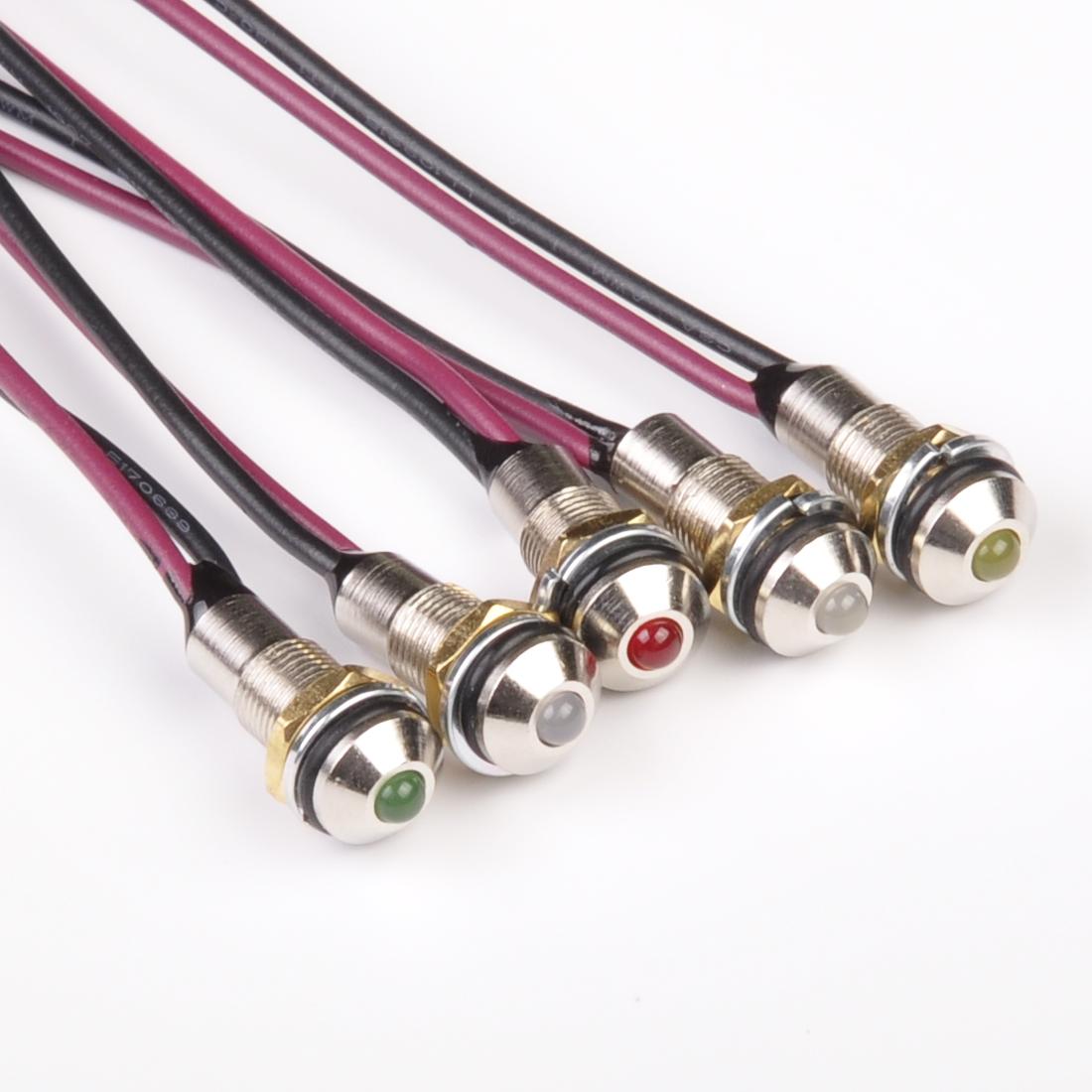
Selecting the right LED indicator light is fundamental to ensuring optimal performance, reliability, and cost-effectiveness in industrial and commercial applications. An LED indicator light serves as a visual communication tool that conveys system status, operational warnings, and equipment conditions to operators and technicians. The wrong LED indicator light selection can lead to operational inefficiencies, maintenance challenges, safety risks, and unnecessary capital expenditure. Therefore, understanding the critical factors that influence LED indicator light selection is essential for engineers, procurement specialists, and facility managers.
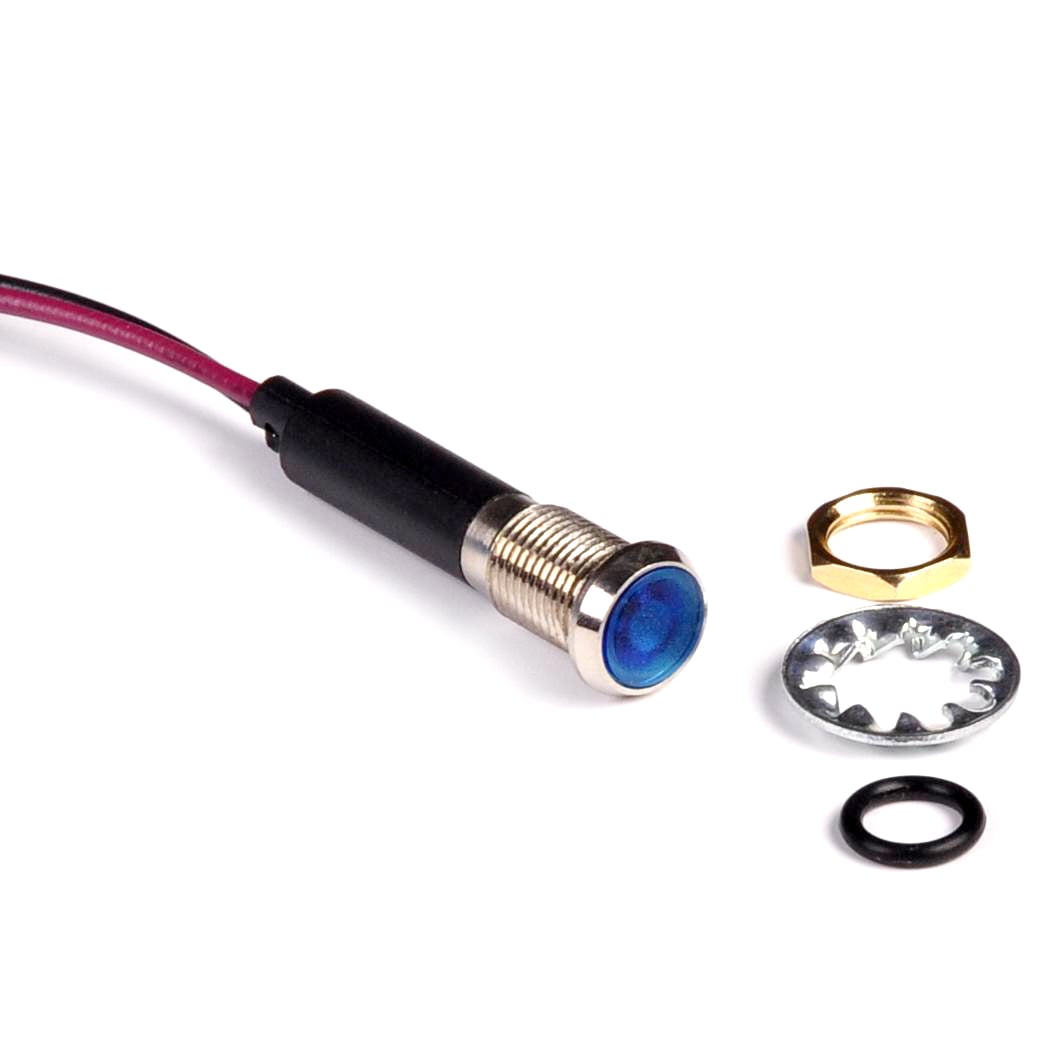
When evaluating LED indicator light options for your specific application, multiple interdependent variables must be considered together rather than in isolation. The process of LED indicator light selection requires balancing technical specifications, environmental constraints, operational demands, and budgetary considerations. This comprehensive approach ensures that the chosen LED indicator light not only meets current requirements but also provides flexibility for future operational changes and maintains reliable performance across its intended service life.
Electrical Specifications and Voltage Requirements
Voltage Rating and Power Consumption
The voltage rating is one of the first critical factors when selecting an LED indicator light for any application. LED indicator light designs vary significantly across different voltage standards including 12V DC, 24V DC, 110V AC, and 220V AC systems. Choosing an LED indicator light with an incorrect voltage rating can result in immediate failure, premature burnout, or insufficient illumination. Modern LED indicator light technology offers excellent efficiency across multiple voltage ranges, making voltage compatibility one of the easiest specifications to verify during the selection process.
Power consumption represents another essential consideration in LED indicator light selection. A properly selected LED indicator light consumes significantly less power than traditional incandescent or halogen alternatives, reducing operational costs and heat generation. The electrical specifications of your LED indicator light should align with the control circuit's capacity and the facility's power distribution system. When selecting an LED indicator light, verify that the power rating matches your system's available current supply to prevent voltage drops and ensure consistent brightness throughout the indicator's operating life.
Circuit Compatibility and Control Integration
LED indicator light circuit compatibility determines how easily the indicator integrates into existing control systems and panel architectures. Many modern LED indicator light solutions feature built-in current limiters or resistors, simplifying installation and reducing the need for external components. When evaluating LED indicator light options, confirm whether the selected model requires series resistors or operates with direct voltage application. This LED indicator light compatibility assessment directly impacts installation time, maintenance complexity, and long-term reliability in your specific control environment.
Visual Performance and Environmental Adaptation
Color Selection and Optical Clarity
Color selection is critical to effective LED indicator light communication in industrial environments. An LED indicator light chosen with the wrong color may fail to convey status information clearly, especially in high ambient light conditions or poorly lit facilities. Standard LED indicator light colors including red, green, yellow, blue, and white each carry specific operational meanings that operators recognize through training and industry standards. The optimal LED indicator light color for your application depends on the specific messages being communicated, existing color coding standards in your facility, and the typical lighting conditions where personnel view the indicator.
Optical clarity and brightness rating significantly influence how effectively your LED indicator light communicates status across various distances and lighting conditions. A high-quality LED indicator light provides uniform illumination across its lens, eliminating dark spots or color gradients that confuse operators about true system status. When selecting an LED indicator light, evaluate the luminous intensity in candelas and the viewing angle to ensure adequate visibility from all expected observation positions. LED indicator light performance in bright sunlight or under harsh fluorescent lighting requires higher brightness specifications than indoor environments with controlled lighting.
Dust and Moisture Protection Ratings
Environmental protection ratings fundamentally influence LED indicator light longevity and reliability in demanding industrial applications. IP (Ingress Protection) ratings quantify how effectively an LED indicator light resists dust infiltration and moisture intrusion. An LED indicator light rated IP67 provides superior protection compared to IP54, making it suitable for washdown environments, chemical facilities, and outdoor installations. When selecting an LED indicator light for harsh environments, choosing the appropriate IP rating prevents corrosion, internal contamination, and premature failure caused by environmental exposure.
Temperature extremes present another environmental challenge that affects LED indicator light performance and component lifespan. An LED indicator light designed for high-temperature environments must incorporate heat-resistant lens materials and thermal management features to maintain consistent operation. Conversely, in cold environments, certain LED indicator light designs may require special considerations for material brittleness and optical performance degradation. Select an LED indicator light rated for the full temperature range expected in your facility, including startup conditions, peak operating temperatures, and seasonal variations.
Physical Specifications and Integration Factors
Mounting Dimensions and Panel Space
Physical dimensions directly impact whether an LED indicator light fits your control panel layout and existing equipment interfaces. Standard LED indicator light sizes range from 8mm to 22mm diameters, with each size serving different space constraints and visibility requirements. Careful measurement of available panel space ensures your selected LED indicator light integrates seamlessly without requiring costly redesign or modification of surrounding components. An LED indicator light that physically interferes with adjacent switches or gauges creates installation problems and operational difficulties that extend project timelines and increase costs.
Lens Design and Material Selection
Lens design significantly influences how an LED indicator light appears and performs in different viewing angles and distances. Diffused LED indicator light lenses scatter light uniformly, improving visibility across wider angles but potentially reducing peak brightness. Conversely, a clear or focused LED indicator light lens concentrates light into a bright beam, ideal for long-distance visibility but more directional. Lens material selection affects UV resistance, impact durability, and long-term optical clarity of your LED indicator light. Acrylic lenses offer excellent optical properties but lower chemical resistance, while polycarbonate LED indicator light lenses provide superior durability in harsh chemical environments with slightly reduced optical transparency.
Connector Type and Maintenance Access
Connector types and termination methods influence how quickly technicians can replace an LED indicator light during maintenance activities. Quick-disconnect connectors simplify LED indicator light replacement without requiring soldering or complex rewiring. Threaded mounting options for LED indicator light fixtures provide secure vibration-resistant installation in equipment subject to mechanical shock. When selecting an LED indicator light, consider how easily maintenance personnel can access, remove, and install replacement units to minimize downtime and reduce operational disruption during maintenance cycles.
FAQ
What is the most common voltage for LED indicator light installations in industrial control panels?
Twenty-four volt DC has become the industry standard for LED indicator light applications in modern control panels because it provides excellent safety margins, minimal voltage drop across long cable runs, and compatibility with most programmable logic controllers and industrial automation systems. However, 110V AC and 220V AC LED indicator light models remain common in legacy installations and regions with different electrical standards. The most appropriate LED indicator light voltage depends on your facility's existing electrical infrastructure and specific equipment requirements rather than universal best practices.
How does viewing angle affect LED indicator light visibility in control room environments?
Viewing angle determines the maximum off-axis angle at which an LED indicator light remains visible at acceptable brightness levels. A wide-angle LED indicator light with 120-degree viewing angle provides visibility from nearly perpendicular positions, ideal for control rooms where operators approach panels from various angles. Narrow-angle LED indicator light designs with 15-30 degree viewing angles concentrate brightness directly ahead, requiring operators to face the panel directly. Select an LED indicator light viewing angle that matches the typical observation distances and angles in your facility to ensure consistent operator awareness of equipment status.
Can LED indicator light brightness be adjusted or dimmed in control applications?
Some specialized LED indicator light models feature adjustable brightness through potentiometer controls or PWM (pulse-width modulation) dimming from external controllers. However, most standard LED indicator light designs operate at fixed brightness determined by their rated voltage and current. If brightness adjustment is critical for your application, confirm that your selected LED indicator light specifically supports dimming capability before purchase. This feature adds cost and complexity to LED indicator light solutions but provides valuable flexibility in environments where lighting conditions change significantly throughout operating periods.