
 EN
EN
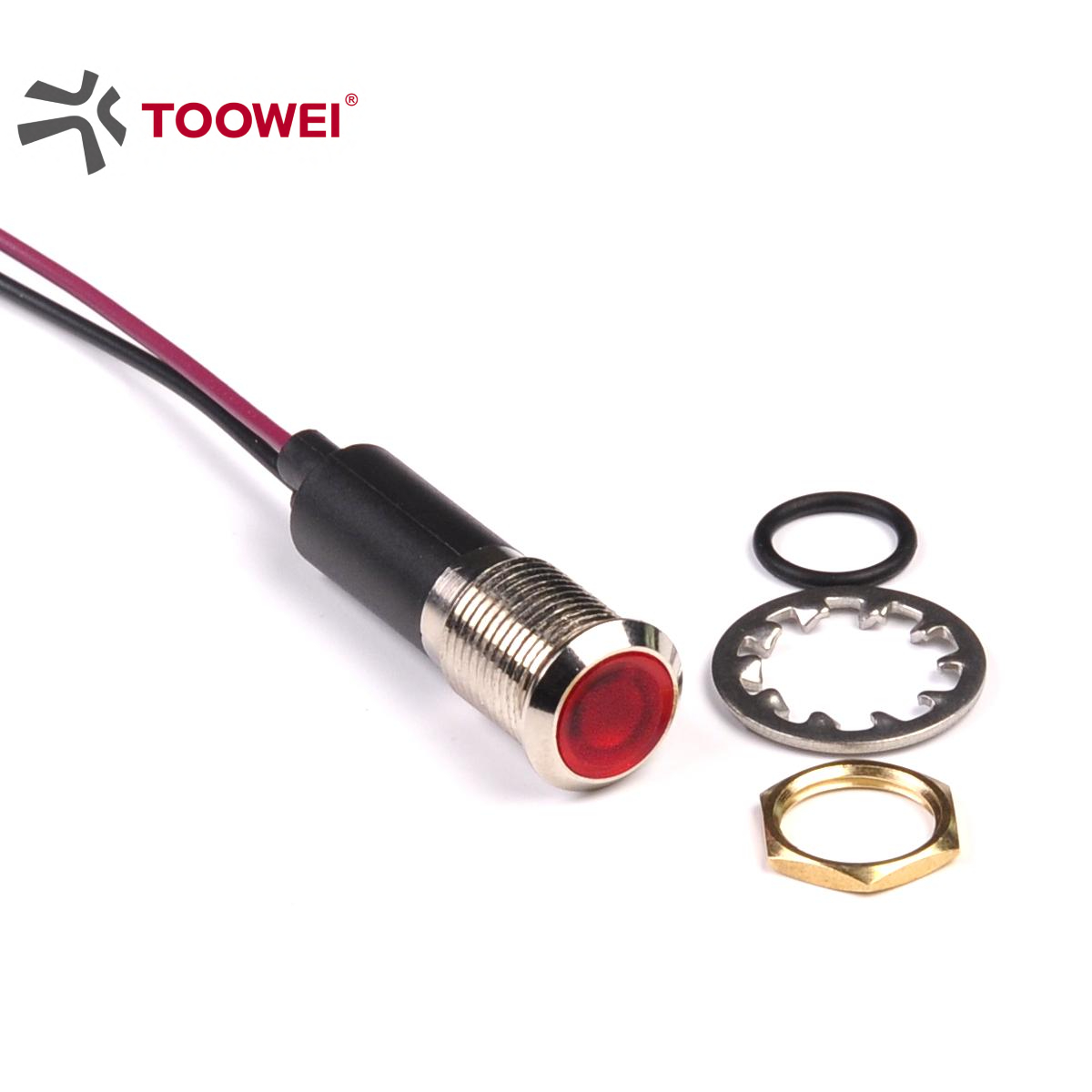
Control panels represent the nerve center of industrial operations, and the LED indicator light serves as a critical communication tool between machines and operators. The design optimization of an LED indicator light in control panels directly impacts operational safety, equipment diagnostics, and maintenance efficiency. Modern manufacturing facilities, automation systems, and critical infrastructure depend on reliable visual feedback, making the optimization of LED indicator light solutions essential for reducing downtime and improving decision-making speed on the factory floor.
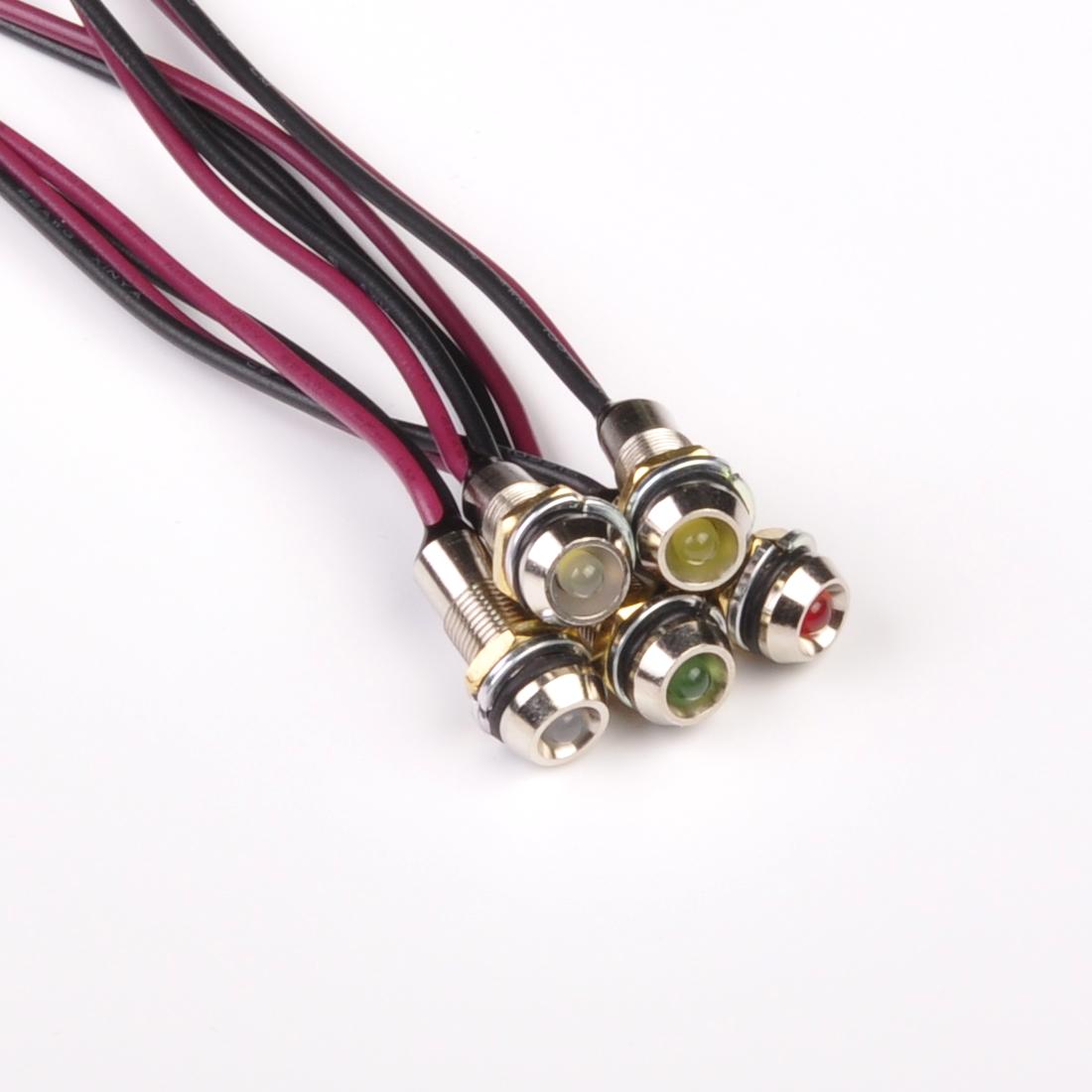
Optimizing an LED indicator light design requires balancing visibility, durability, power efficiency, and cost-effectiveness within strict industrial constraints. Control panel designers must consider operating temperature ranges, vibration resistance, color coding standards, and integration with existing monitoring systems. The optimization process for LED indicator light solutions transforms raw component specifications into strategic business advantages, enabling faster fault detection and reducing operator error in high-stakes environments.
Color Selection and Visibility Optimization
Color Coding Standards for Industrial LED Indicator Light
The LED indicator light color choice is not arbitrary; it follows strict international standards that protect operator safety and ensure consistent communication across global supply chains. Red LED indicator light solutions typically signal alarms, failures, or critical warnings that demand immediate action. Green LED indicator light designs indicate normal operation and system readiness, while amber or yellow variants communicate warnings or non-critical faults requiring attention. The optimization of LED indicator light color selection involves mapping operational states to colors that operators instantly recognize, even during high-stress situations.
Control panel designers optimize LED indicator light visibility by considering ambient lighting conditions, operator viewing angles, and color blindness compatibility. A high-quality LED indicator light must remain visible under fluorescent factory lighting, natural sunlight, and low-light maintenance scenarios. Blue and cyan LED indicator light options are sometimes avoided in critical safety applications because human eyes distinguish red and green faster than cool colors. Multi-color LED indicator light systems provide additional flexibility, allowing operators to distinguish between different equipment states without reading separate status screens.
Brightness and Intensity Control
The luminous intensity of an LED indicator light directly affects operator perception and power consumption. Modern optimization strategies for LED indicator light brightness involve selecting components rated between 50 and 5000 millicandelas, depending on panel environment and visibility requirements. An undersized LED indicator light wastes operator attention and creates reliability risks, while an oversized solution drains power budgets and may cause visual glare. The optimization of LED indicator light brightness balances these competing demands by using dimming circuits that adjust intensity based on ambient light detection.
Advanced control systems now incorporate automatic brightness adjustment for LED indicator light solutions, improving energy efficiency by 30 to 50 percent compared to fixed-brightness designs. This optimization of LED indicator light intensity management is particularly valuable in facilities with variable lighting conditions or extended 24-hour operations. Smart LED indicator light modules communicate with master controllers to scale brightness dynamically, reducing operator fatigue and extending component lifespan through reduced thermal stress.
Physical Design and Environmental Resilience
Housing Materials and Protection Ratings
The physical housing of an LED indicator light must survive harsh industrial environments while maintaining optical clarity and electrical safety. Optimization of LED indicator light enclosures involves selecting polycarbonate, acrylic, or specialized polymer materials that resist moisture, chemical exposure, and mechanical impact. The rating system for LED indicator light housing follows IP (Ingress Protection) standards, where IP65 and IP67 rated designs guarantee protection against dust, oil, and temporary water immersion common in manufacturing settings. A properly optimized LED indicator light housing prevents moisture from corroding internal contacts while allowing light transmission with minimal degradation.
The lens design of an LED indicator light significantly influences both durability and optical performance. Flat lenses optimize LED indicator light designs for direct mounting on flat panels, while domed lenses improve visibility from wider viewing angles. Anti-glare coatings applied to LED indicator light lenses reduce reflections and eyestrain during prolonged monitoring sessions. The optimization of LED indicator light housing also includes vibration-damping elastomers that protect solder joints and internal wire connections from mechanical failure caused by equipment movement or shock events.
Temperature Management and Thermal Optimization
Thermal stress represents one of the fastest failure modes for LED indicator light systems in high-temperature control panel environments. The optimization of LED indicator light thermal performance involves selecting heat-conductive materials for the mounting base and designing proper ventilation channels within the panel. An LED indicator light operating above its rated temperature threshold experiences shortened lifespan, color shift, and potential complete failure. Industrial environments such as steel mills, furnace rooms, and outdoor equipment expose LED indicator light solutions to ambient temperatures ranging from minus 40 degrees Celsius to plus 80 degrees Celsius.
Modern LED indicator light designs incorporate metal backing plates and thermally conductive adhesives that draw heat away from the LED junction and dissipate it into the panel structure. This optimization of LED indicator light thermal management can extend component lifespan from three to five years to potentially ten years or more. Specifications for optimized LED indicator light products now include detailed thermal derating curves that predict brightness and reliability across the full operating temperature range, enabling engineers to make informed purchasing decisions for critical applications.
Electrical Integration and Control Circuit Design
Voltage Configuration and Driver Selection
The electrical architecture supporting an LED indicator light must align with control panel voltage standards while providing robust noise immunity and surge protection. Optimization of LED indicator light voltage systems typically involves selecting 24 VDC configurations for modern industrial automation, though legacy systems may require 110 VAC or 220 VAC solutions. The LED indicator light driver circuitry manages current regulation, preventing over-current conditions that rapidly degrade internal chip performance. Digital signal isolation in optimized LED indicator light drivers protects the indicator circuit from electromagnetic interference generated by variable frequency drives, motor starters, and switching power supplies common in industrial panels.
The optimization of LED indicator light electrical design includes selecting appropriate current-limiting resistors or dedicated LED driver chips that maintain consistent brightness regardless of input voltage fluctuations. Smart LED indicator light solutions now incorporate integrated circuits that communicate status information back to the control system via serial protocols such as CANbus or Modbus. This optimization of LED indicator light integration transforms simple visual indicators into full-featured diagnostic nodes, enabling predictive maintenance strategies and real-time equipment status reporting.
Signal Conditioning and Failure Detection
Control systems that optimize LED indicator light performance implement signal conditioning circuits that eliminate false triggers caused by electrical noise, relay contact bounce, and power transients. Optimization of LED indicator light reliability involves designing input filters with time delays ranging from 50 to 500 milliseconds, ensuring that brief glitches do not cause unnecessary alarm conditions. Hardware watchdog circuits monitor LED indicator light status and automatically report burned-out LEDs or disconnected sensors, enabling maintenance teams to replace failed components before they impact operations.
The optimization of LED indicator light fault detection strategies varies by application criticality. Safety-critical systems implement dual-channel redundancy for LED indicator light monitoring, where a second independent circuit validates the primary indicator status. Non-critical monitoring applications may use single-channel LED indicator light designs with periodic self-test routines that verify LED functionality during system startup or scheduled maintenance windows. Advanced optimization techniques for LED indicator light systems include predictive current analysis that detects early signs of LED degradation weeks before actual failure occurs.
FAQ
What factors should I consider when selecting an LED indicator light for my control panel?
When selecting an LED indicator light, evaluate the operating temperature range, required brightness level in candelas, color coding standards applicable to your industry, IP rating for environmental protection, and compatibility with your panel voltage system. Consider whether the LED indicator light must integrate with existing communication networks or if simple on-off indication suffices. The mounting configuration, lens type, and housing material of your chosen LED indicator light should match your panel design constraints and expected maintenance intervals. Finally, verify that the LED indicator light supplier provides thermal derating curves and long-term reliability data for your specific application environment.
How does an LED indicator light improve operational efficiency in industrial settings?
An LED indicator light accelerates equipment status recognition by providing instant visual feedback that requires no operator interpretation or screen navigation. High-visibility LED indicator light designs reduce response time to alarms by 40 to 60 percent compared to text-based status displays, directly improving production continuity and safety. The low power consumption of modern LED indicator light solutions enables larger arrays of indicators without overwhelming facility electrical infrastructure. Standardized color coding across LED indicator light systems creates consistent mental models among operators, reducing confusion during shift changes and emergency situations where speed and accuracy determine outcomes.
Can an LED indicator light be used in outdoor control cabinets or harsh chemical environments?
Yes, but the LED indicator light specification must explicitly include IP67 or higher ratings, chemical-resistant housing materials such as stainless steel or specialized polymers, and gasket designs that prevent moisture and vapor intrusion. Industrial-grade LED indicator light products designed for outdoor use incorporate UV-stable lens materials and potted electronic components that resist corrosion from salt spray, industrial solvents, and thermal cycling. Verify that your LED indicator light supplier offers extended temperature specifications and material certifications for the specific chemicals present in your environment. Regular maintenance of the LED indicator light lens and housing seals will maximize component lifespan in these challenging applications.