
 EN
EN
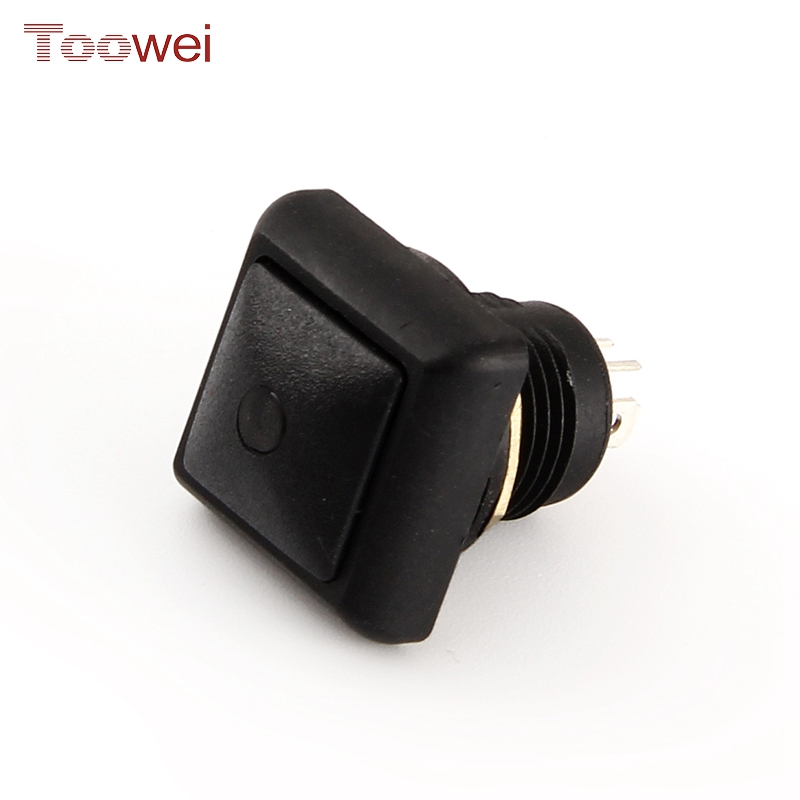
Modern industrial machinery demands control solutions that go far beyond simple mechanical activation. The push button on off switch has evolved from basic on-off mechanisms into sophisticated engineered components tailored to the rigorous demands of contemporary manufacturing environments. Understanding how manufacturers adapt push button on off switch designs for machinery reveals the intersection of electrical safety, ergonomic functionality, and operational reliability that defines industrial automation today.
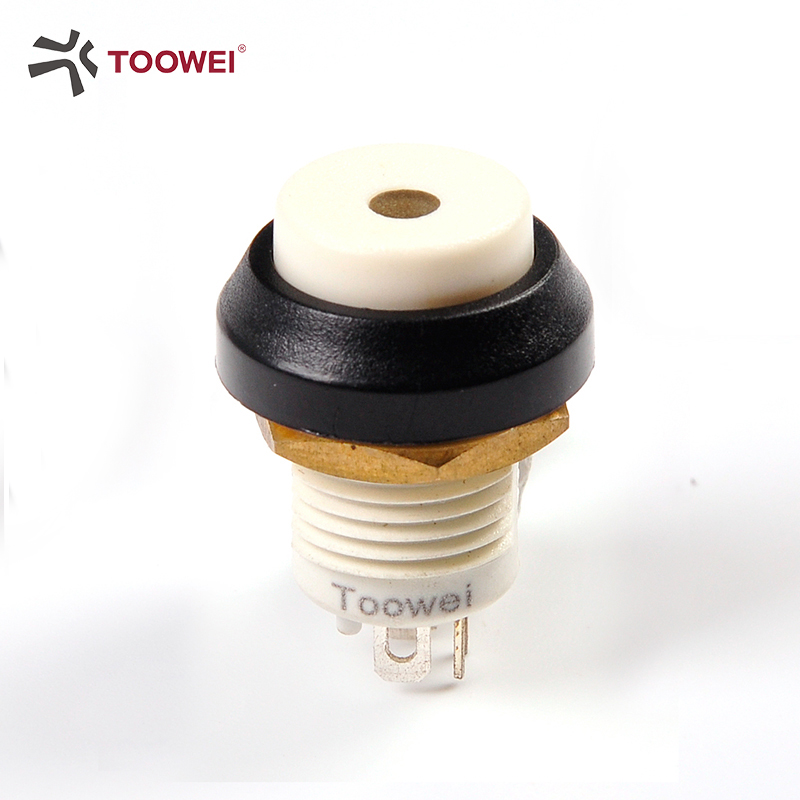
Industrial applications require push button on off switch components that withstand extreme temperatures, vibration, moisture, and chemical exposure while maintaining consistent electrical performance. The adaptation process involves material selection, contact design, housing construction, and integration protocols that transform a standard push button on off switch into a machinery-grade control solution capable of managing critical operational functions with precision and reliability.
Material Engineering and Environmental Resistance
Durability Through Advanced Materials
The foundation of modern push button on off switch adaptation begins with material science. Manufacturers select specialized alloys, engineered plastics, and composite materials that provide superior resistance to environmental stressors inherent in machinery operation. A push button on off switch designed for manufacturing environments must withstand temperature fluctuations ranging from subzero conditions to extreme heat without compromising electrical integrity or mechanical responsiveness. Contact materials are engineered to resist oxidation and corrosion, ensuring reliable conductivity after thousands of operational cycles.
Seal and Enclosure Design
Industrial push button on off switch designs incorporate advanced sealing technologies that prevent ingress of coolant fluids, oil aerosols, dust particles, and moisture. Gasket materials are selected for compatibility with common industrial fluids while maintaining elasticity across wide temperature ranges. The enclosure of a push button on off switch adapted for machinery often features reinforced polymer housings or stainless steel construction, with entry points sealed using precision-molded elastomers. This multi-layered protection ensures that a push button on off switch maintains its rated electrical characteristics even in harsh environments where standard switches would fail.
Mechanical Performance and Actuation Characteristics
Force and Travel Optimization
The mechanical design of an industrial push button on off switch balances tactile feedback with operational safety requirements. Engineers adapt actuation force specifications to match the physical capabilities of machinery operators while maintaining accidental activation prevention. A push button on off switch intended for heavy industrial use typically requires force levels between 60 and 150 grams, providing sufficient resistance to prevent inadvertent engagement while remaining accessible to operators wearing gloves or protective equipment. The travel distance—the physical displacement required to activate the switch—is engineered to be short enough for rapid response yet long enough to provide clear mechanical feedback.
Contact Arrangement and Electrical Rating
Industrial machinery demands push button on off switch configurations capable of handling significant electrical loads reliably. Manufacturers adapt contact arrangements by utilizing multiple contact bridges, enhanced spring tension systems, and precious metal plating to ensure consistent electrical performance under demanding conditions. A push button on off switch adapted for machinery may incorporate double-pole or multi-pole contact configurations, allowing simultaneous control of multiple circuits from a single user interface. The electrical rating of a push button on off switch is engineered to exceed the actual load requirements, providing a safety margin that extends component lifespan and improves overall system reliability.
Safety Integration and Compliance Mechanisms
Emergency Stop Functionality
One critical adaptation of the push button on off switch for industrial machinery involves integration with emergency stop systems. Modern push button on off switch designs often incorporate larger button heads, distinctive coloring schemes, and mechanical latching capabilities to support emergency shutdown protocols. These specialized push button on off switch configurations are engineered to be immediately recognizable to machinery operators under high-stress situations, with tactile and visual indicators that confirm activation. The design of a push button on off switch used in emergency applications must ensure that accidental partial depression cannot trigger the control circuit, requiring full engagement for activation.
Regulatory Compliance and Certification
Machinery manufacturers adapt push button on off switch specifications to comply with international safety standards including ISO 13850, UL 61058, and CE marking requirements. These regulatory frameworks mandate specific performance characteristics, testing protocols, and documentation requirements for industrial control switches. The push button on off switch must be tested for mechanical durability, electrical performance under rated conditions, and failure mode analysis to ensure that component failure cannot create hazardous machinery states. Certification bodies verify that a push button on off switch meets these requirements through comprehensive testing programs that include accelerated life testing, environmental exposure simulation, and electrical stress evaluation.
FAQ
What electrical ratings should industrial push button on off switch components meet?
Industrial push button on off switch components should be rated for electrical loads significantly exceeding actual machinery requirements, typically with a safety factor of 1.5 to 2.0 times the anticipated maximum circuit demand. Common ratings for push button on off switch applications range from 6 amperes at 250 volts for light-duty control circuits to 10 amperes or higher for direct motor control applications. The specific electrical rating of a push button on off switch depends on the control circuit design, with DC circuits requiring different contact materials and ratings than AC applications.
How do manufacturers ensure push button on off switch reliability in extreme temperatures?
Manufacturers adapt push button on off switch designs for temperature extremes through material selection, contact metallurgy, and spring engineering that maintains consistent performance across operating ranges from -40°C to +85°C or beyond. The mechanical spring system within a push button on off switch is engineered to maintain consistent actuation force across temperature variations, while contact resistance and electrical performance are verified through accelerated aging tests that simulate extended exposure to thermal stress. Push button on off switch enclosures are designed to minimize thermal transfer to internal components, protecting delicate contact systems from rapid temperature fluctuations.
Can push button on off switch designs be customized for specific machinery applications?
Yes, push button on off switch designs can be extensively customized to meet particular machinery requirements including special actuation forces, unique electrical configurations, integrated indicator lights, or push button on off switch sizes that fit specialized control panel layouts. Manufacturers offer push button on off switch options with variable spring tensions, different contact materials, custom button colors for safety coding, and integrated electronic components. The adaptation process typically involves application engineering consultation to ensure that the customized push button on off switch solution meets both operational requirements and regulatory compliance standards specific to the machinery application.