
 EN
EN
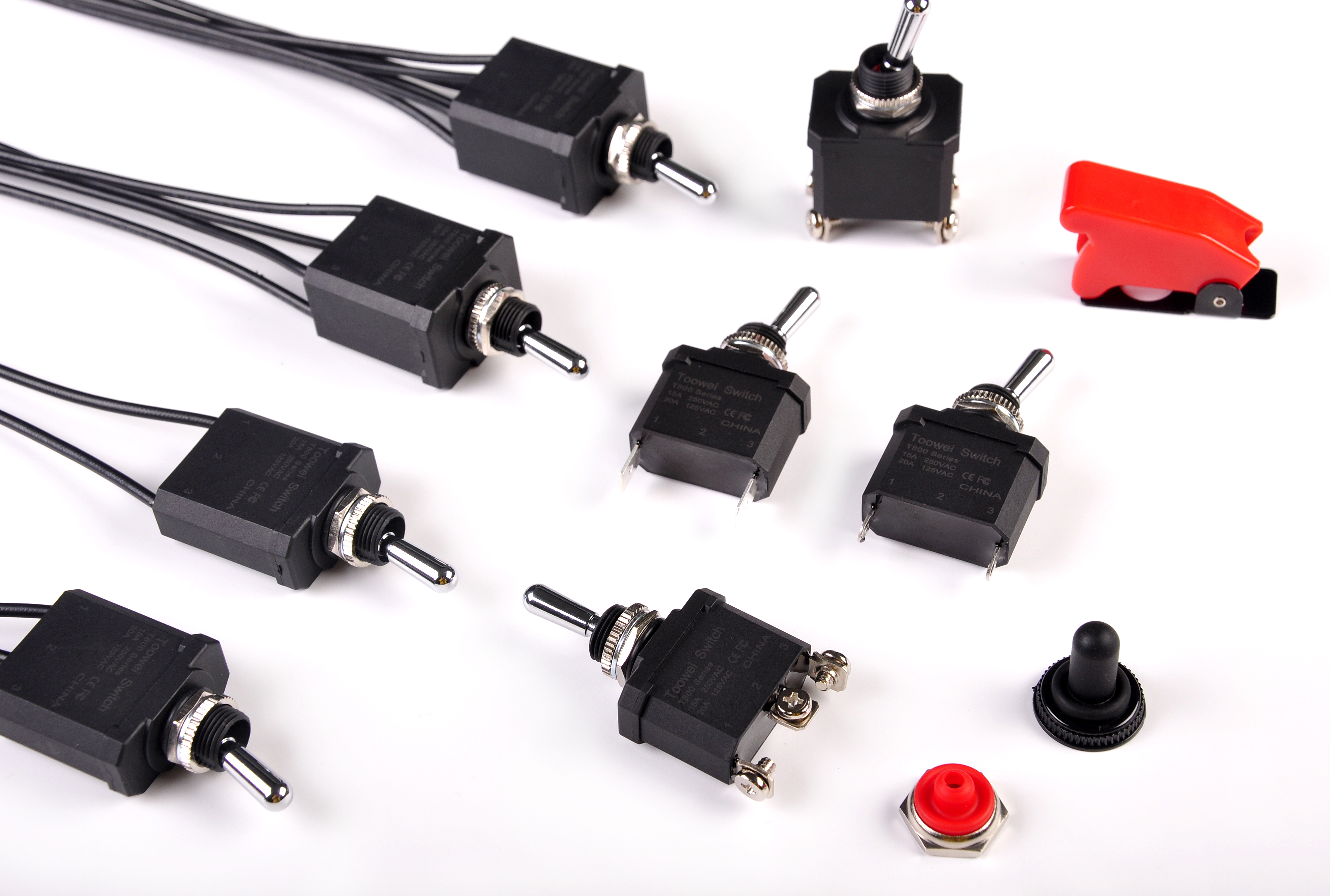
Industrial control environments demand electrical components that can withstand extreme conditions, precise switching requirements, and continuous operational demands. A toowei switch represents a specialized solution engineered to address these exact needs. Manufacturers and facility managers increasingly recognize that the right switching technology directly impacts system reliability, safety, and operational efficiency. Understanding what makes a toowei switch suitable for industrial control applications requires examining the technical specifications, design philosophy, and real-world performance characteristics that distinguish premium switching solutions from standard alternatives.
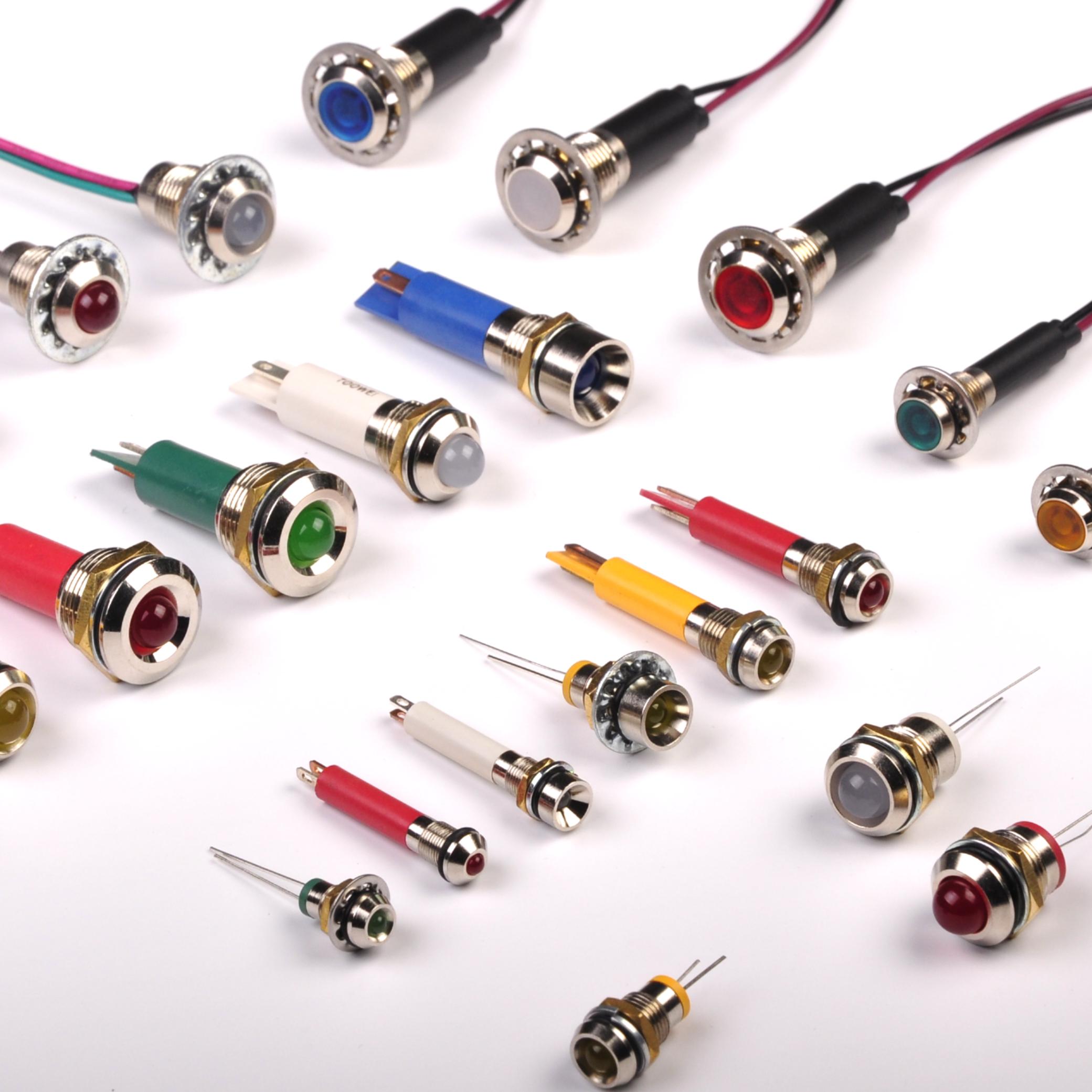
The toowei switch category encompasses toggle switches, rotary switches, and multi-position control mechanisms specifically designed for industrial environments where conventional switches fail. These components operate reliably across temperature extremes, high-vibration settings, and challenging electrical loads that characterize manufacturing plants, heavy machinery control systems, and process automation installations. The engineering behind a toowei switch prioritizes durability without compromising precision, making these solutions the preferred choice for operations where downtime carries significant financial and safety consequences.
Engineering Robustness and Material Selection
Heavy-Duty Construction Standards
A toowei switch incorporates industrial-grade materials and construction methods that exceed standard electrical component requirements. The housing typically uses reinforced polymer or metal alloys that resist corrosion, thermal degradation, and mechanical stress. Contact materials within a toowei switch employ silver-alloy or gold-plated configurations to minimize contact resistance and prevent oxidation buildup that degrades electrical performance. These material choices reflect decades of industrial field experience, addressing failure modes that emerge only in demanding operational scenarios.
The mechanical design of a toowei switch emphasizes repeatability and consistency across hundreds of thousands of operating cycles. Industrial control systems often activate switches multiple times daily, meaning a toowei switch must maintain electrical integrity and tactile response throughout its service life. Testing protocols for a toowei switch exceed IEC standards, with manufacturers conducting accelerated lifecycle testing that simulates years of operation in compressed timeframes. This rigorous validation ensures that a toowei switch delivered to your facility has already proven its reliability under extreme conditions.
Environmental Resilience Factors
Industrial facilities expose electrical components to temperature swings, humidity fluctuations, dust accumulation, and chemical vapors that rapidly degrade inferior switches. A toowei switch withstands temperature ranges from minus twenty to plus seventy degrees Celsius, maintaining consistent switching performance regardless of seasonal variations or thermal cycling stress. The sealed contact chamber within a toowei switch prevents moisture and contaminant ingress, critical for applications in food processing, chemical manufacturing, and marine environments where corrosion presents constant risk.
Vibration resistance distinguishes a toowei switch from conventional alternatives, particularly in applications involving heavy machinery, reciprocating equipment, or transportation systems. The internal mechanisms of a toowei switch utilize damping elements and precision tolerances that absorb mechanical shock without generating false switching signals. This vibration immunity prevents nuisance trips that disrupt production schedules and compromise system safety. Industrial operators recognize that the initial investment in quality toowei switch components delivers substantial returns through reduced downtime and maintenance costs.
Electrical Performance and Safety Integration
Current Handling and Voltage Ratings
The electrical specifications of a toowei switch encompass current ratings, voltage capacity, and switching frequency parameters that align with diverse industrial control architectures. Standard toowei switch models handle switching loads ranging from low-signal indicator circuits to high-power motor control circuits exceeding twenty amperes. The toowei switch design ensures that contact resistance remains stable across the entire current range, preventing thermal runaway or unexpected voltage drops that compromise control accuracy. Multi-position configurations within a toowei switch line allow engineers to select exactly the switching capacity needed for specific applications without oversizing components.
Safety certifications form a fundamental requirement for toowei switch applications in regulated industrial environments. Each toowei switch model carries compliance documentation covering electrical safety standards, electromagnetic compatibility requirements, and industry-specific certifications. The insulation integrity of a toowei switch exceeds minimum regulatory thresholds, providing safety margins that protect equipment and personnel from electrical faults. Industrial control engineers specify toowei switch components with confidence that regulatory compliance represents a core design attribute rather than an afterthought.
Switching Accuracy and Repeatability
Precision control systems demand switches that activate at consistent threshold points and maintain switching integrity throughout extended service intervals. A toowei switch delivers switching accuracy within narrow tolerance bands, ensuring that setpoints remain stable and predictable. The mechanical detent mechanisms in a toowei switch prevent accidental position changes while providing tactile feedback that operators rely upon for manual control applications. This combination of reliability and user feedback makes a toowei switch suitable for both automated control systems and installations requiring human operator intervention.
The contact bounce characteristics of a toowei switch receive careful engineering attention, as brief electrical transients can trigger unintended control actions in sensitive systems. Advanced contact designs within a toowei switch minimize bounce duration and magnitude, allowing industrial control logic to interpret switching signals with certainty. This precision proves particularly important in programmable logic controller environments where multiple switching inputs contribute to complex control decisions. Selecting a toowei switch optimized for minimal contact bounce simplifies downstream signal conditioning requirements and improves overall system reliability.
Application Versatility and Integration Advantages
Multi-Configuration Design Flexibility
Industrial facilities operate diverse equipment generations, each with unique control interface requirements that complicate standardization efforts. The toowei switch portfolio addresses this challenge through modular designs and configurable options that adapt to various installation scenarios. Different pole configurations, throw arrangements, and contact ratings within the toowei switch line allow maintenance teams to maintain smaller spare parts inventories while accommodating diverse equipment needs. This design flexibility reduces supply chain complexity and accelerates repairs when equipment requires component replacement.
Panel-mounting standards for a toowei switch align with established industrial control practices, enabling straightforward retrofit applications in existing systems. The electrical connection methodology of a toowei switch supports both traditional terminal lugs and modern terminal blocks, accommodating integration into new installations and legacy equipment upgrades. Operators appreciate the intuitive mechanical positioning of a toowei switch, where handle orientation immediately communicates system state without requiring electrical testing. This combination of mechanical clarity and electrical reliability makes a toowei switch particularly valuable in safety-critical applications where operator understanding directly impacts workplace safety.
Lifecycle Cost Advantages
The toowei switch investment decision extends beyond initial purchase price to encompass total cost of ownership across the component lifespan. Reliable toowei switch operation minimizes unplanned maintenance interventions that disrupt production schedules and require emergency repairs at premium costs. The superior contact durability within a toowei switch eliminates the premature switching failures that plague facilities operating inferior components. Calculating the financial impact of production interruptions demonstrates that toowei switch specifications typically deliver favorable cost-benefit ratios compared to lowest-cost alternatives.
The extended operational lifespan of a toowei switch reduces component replacement frequency, decreasing material costs and labor requirements for maintenance activities. Industrial facilities that standardize on toowei switch solutions across multiple systems benefit from streamlined training programs and consistent troubleshooting procedures. The reliability reputation of toowei switch products encourages facility managers to implement preventive replacement strategies rather than reactive repairs, further optimizing maintenance efficiency. This lifecycle perspective reveals that premium toowei switch specifications represent strategic investments in operational stability rather than discretionary expenses.
FAQ
Why should industrial facilities choose a toowei switch over standard electrical switches?
A toowei switch delivers specialized engineering for demanding industrial environments, featuring superior durability, environmental resilience, and precise electrical performance that standard switches cannot match. The materials, manufacturing standards, and testing protocols embedded in a toowei switch design specifically address failure modes that emerge in harsh operating conditions. Facilities selecting a toowei switch avoid premature failures, production interruptions, and safety risks associated with inadequate switching solutions. The initial investment in toowei switch quality translates into lower lifetime costs through reduced downtime and maintenance burden.
How does a toowei switch maintain reliability across temperature and vibration extremes?
The toowei switch construction incorporates sealed contacts, precision tolerances, and advanced contact materials that resist thermal degradation and mechanical stress. The internal design of a toowei switch includes damping elements that absorb vibration without generating false switching signals, while temperature-stable mechanisms ensure consistent electrical performance across extreme thermal ranges. Rigorous accelerated lifecycle testing validates that a toowei switch maintains switching integrity through millions of operating cycles regardless of environmental conditions. This engineering rigor ensures toowei switch components deliver consistent performance throughout their service lifespan.
Can a toowei switch integrate with existing industrial control systems?
Yes, the toowei switch design emphasizes compatibility with established industrial standards and connection methodologies. The modular configuration options and standard electrical ratings of a toowei switch facilitate straightforward integration into both legacy systems and modern installations. Maintenance teams can retrofit a toowei switch into existing panels using conventional terminal connections, while new installations benefit from compatibility with current control architecture standards. This integration flexibility makes a toowei switch an accessible solution for facilities modernizing control systems incrementally rather than through complete replacement projects.