
 EN
EN
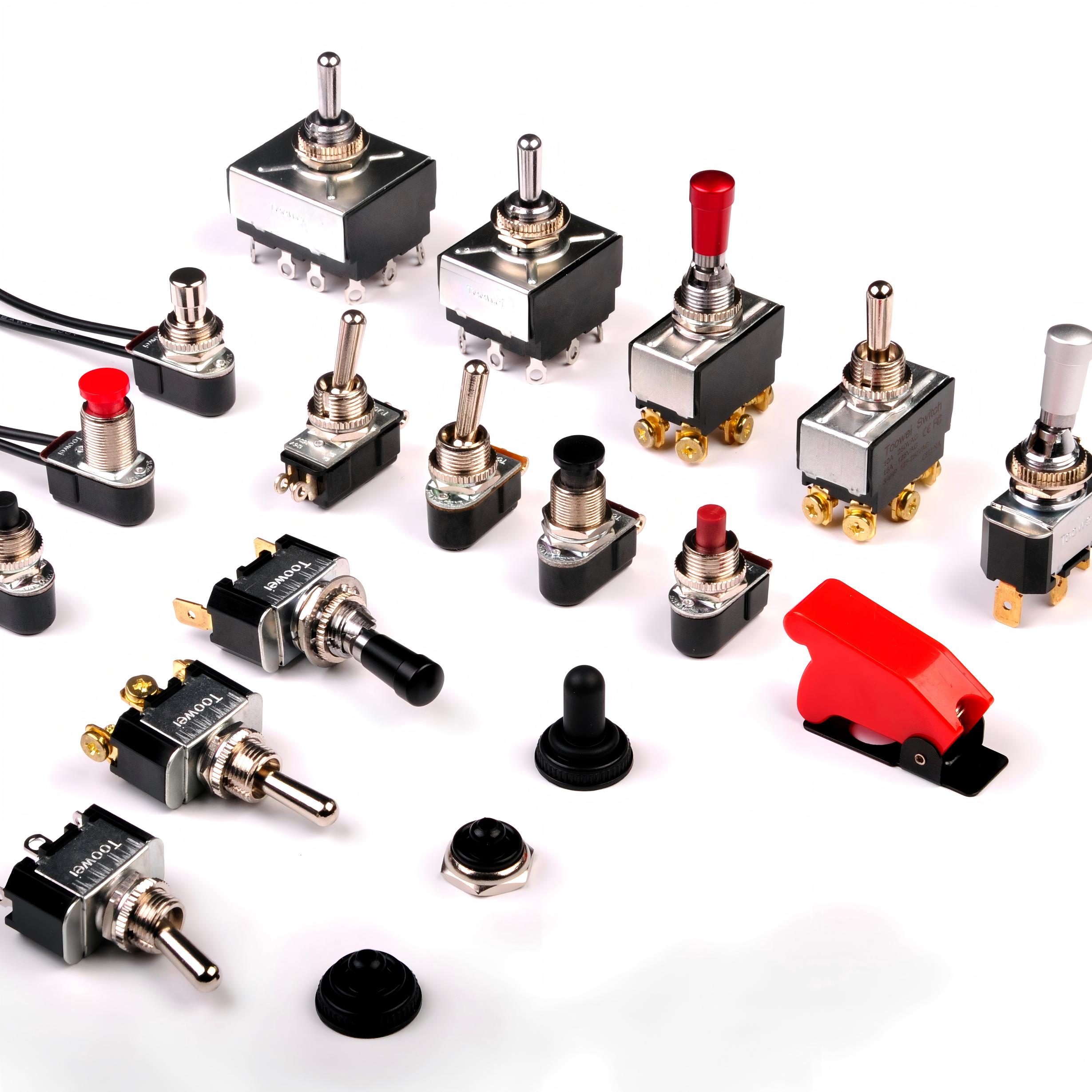
The development of industrial electrical components demands meticulous attention to detail, rigorous testing protocols, and a deep understanding of real-world operating conditions. When manufacturers design and produce electrical switches, they must balance durability, performance consistency, and cost efficiency while meeting stringent industry standards. A toowei switch represents a product category engineered through systematic development processes that prioritize reliability at every stage, from initial concept through final production. Understanding how a toowei switch achieves dependable operation reveals the engineering philosophy and manufacturing excellence that distinguishes superior electrical components from commodity alternatives.
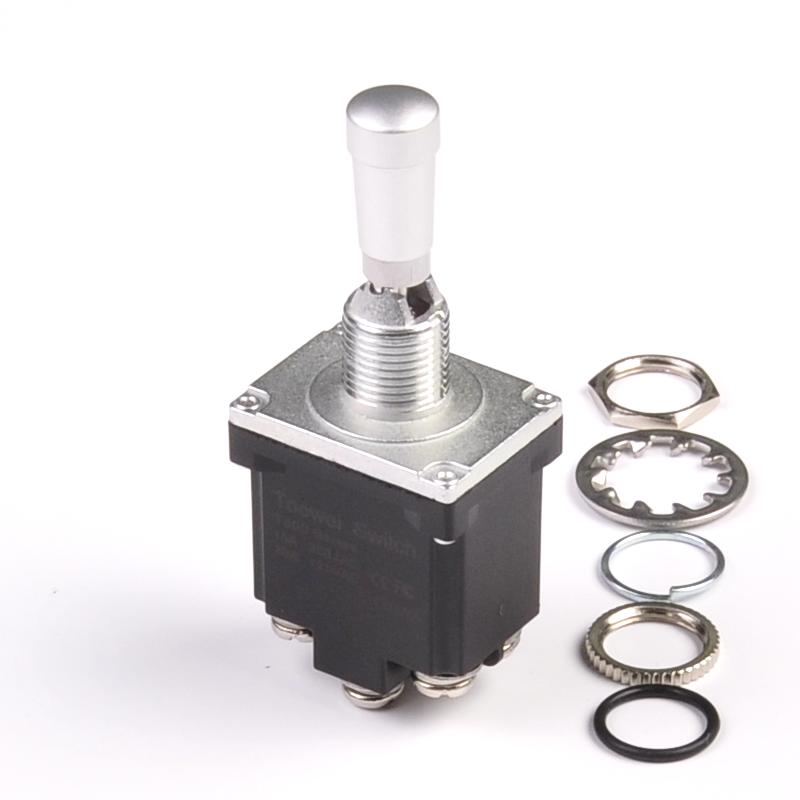
Developing a toowei switch for reliable operation involves multiple interconnected disciplines: mechanical engineering, electrical performance analysis, materials science, and quality assurance. Each component within a toowei switch must function predictably under temperature extremes, mechanical stress, electrical loads, and prolonged cycling. The manufacturers who produce these switches invest substantially in research facilities, advanced testing equipment, and process control systems to ensure every unit meets exacting performance standards. This comprehensive approach to toowei switch development separates products designed for industrial reliability from switches intended only for light-duty consumer applications.
Material Selection and Mechanical Design for Toowei Switch Durability
Choosing Materials That Withstand Harsh Operating Environments
The foundation of reliable toowei switch performance begins with systematic material selection. Engineers evaluate copper alloys for electrical contacts based on conductivity, wear resistance, and fatigue strength under repeated switching cycles. A toowei switch designed for industrial environments must use contact materials that resist corrosion from moisture, chemical exposure, and oxidation while maintaining consistent electrical conductivity throughout years of operation. Manufacturers test candidate materials under accelerated aging conditions, thermal cycling, and electrical arc stress to predict long-term behavior before committing to production tooling.
Mechanical Architecture That Ensures Consistent Operation
The physical design of a toowei switch directly influences reliability through mechanical leverage, spring force consistency, and contact separation geometry. Engineers calculate spring constants to ensure that contact force remains within optimal ranges across the entire temperature operating spectrum, preventing weak contacts at temperature extremes. A toowei switch lever mechanism undergoes finite element analysis to identify stress concentrations and material fatigue risks before prototyping begins. The positioning of guides, the material of internal springs, and the tolerance stack-up of all mechanical elements are precisely controlled because even small deviations accumulate into unreliable operation across production batches.
Electrical Performance Testing and Load Capacity Verification
Validating Switching Capacity Across Electrical Specifications
Electrical testing of a toowei switch involves subjecting prototype and production samples to voltage and current ratings far exceeding typical field conditions. Testing laboratories apply continuous loads at rated current to evaluate whether contact resistance remains stable or increases over time, which signals degradation. A toowei switch undergoes thermal imaging during high-current testing to confirm that hotspots do not develop, which would indicate inadequate contact pressure or surface defects. Manufacturers establish minimum performance thresholds based on industry standards and internal safety margins, then verify that every production batch meets these electrical criteria before shipment.
Arc Interruption and Switching Transients
When a toowei switch interrupts current, electrical arcing occurs in the microseconds between contact separation and final break. Engineers must design contact geometry and separation speed such that a toowei switch arc quenches reliably without causing contact erosion that would reduce service life. Advanced testing measures arc duration, peak current during transients, and electromagnetic interference emissions to confirm a toowei switch meets regulatory compliance and protects downstream electronics. The reliability of a toowei switch during these high-stress switching transients determines whether the device will cause cascading failures in sensitive control systems.
Manufacturing Process Control and Quality Assurance Systems
Process Control Measures That Maintain Consistency
Developing a toowei switch extends beyond design into manufacturing discipline. Each production facility implementing toowei switch manufacturing must establish statistical process control systems that monitor critical dimensions, contact finish, spring force, and assembly steps. Manufacturers establish control limits narrow enough that a toowei switch produced in month one matches the performance of a toowei switch produced years later, accounting for tooling wear and material lot variation. Real-time measurement systems catch problems immediately rather than discovering defects weeks after production, when toowei switch inventory is already distributed to customers.
Lifecycle Testing and Field-Equivalent Stress Simulation
Before a toowei switch design is released to production, manufacturers conduct accelerated life testing that simulates thousands of switching cycles under combined mechanical and electrical stress. Environmental chambers cycle a toowei switch through temperature ranges, humidity levels, and thermal shock conditions that compress years of field exposure into weeks of laboratory testing. A toowei switch sample is also subjected to vibration testing, salt spray exposure, and chemical immersion tests depending on anticipated end-use environments. These lifecycle tests provide statistical confidence that a toowei switch will function reliably for its specified service life, typically five to ten years or more in industrial applications.
Reliability Verification Through Industry Standards and Certifications
Compliance Testing Against Established Performance Standards
Industrial reliability for a toowei switch must be validated against recognized standards that define minimum performance requirements. A toowei switch undergoes testing procedures specified by organizations like IEC, which establish test protocols for electrical contacts, insulation resistance, dielectric strength, and mechanical durability. Manufacturers document all test data, establishing traceability that confirms each production run of a toowei switch meets published standards. Certification bodies periodically audit manufacturing facilities and retest samples from current production to ensure a toowei switch maintains compliance over time, catching any degradation in manufacturing discipline before it reaches customers.
Field Performance Feedback and Continuous Improvement
A toowei switch design released to production is continuously monitored through failure reporting systems, customer feedback channels, and periodic field audits. When failures occur with a toowei switch, engineering teams investigate root causes and implement corrective design or manufacturing changes. This closed-loop improvement cycle ensures that subsequent generations of a toowei switch incorporate lessons learned from real-world operation. Manufacturers of premium industrial switches view a toowei switch not as a static product, but as an evolving design that improves through accumulated operational experience and scientific investigation.
FAQ
What makes a toowei switch different from lower-cost alternatives?
A toowei switch achieves superior reliability through systematic investment in material testing, design verification, and manufacturing process control. Lower-cost switches often skip accelerated life testing, use unverified materials, or reduce tolerance control. A toowei switch incorporates proven design practices and manufacturing disciplines that prevent infant mortality and premature wear, delivering lower total cost of ownership despite higher initial purchase price due to reduced replacement frequency and system downtime.
How long can a toowei switch operate reliably in continuous industrial use?
A toowei switch engineered for industrial reliability typically maintains specified performance for five to ten years of continuous operation in controlled factory environments, or three to seven years in harsh outdoor or chemical environments. Actual lifespan depends on specific electrical loads, ambient temperature extremes, frequency of switching cycles, and presence of mechanical vibration. toowei switch datasheets provide rated operational life based on standardized test conditions, allowing engineers to predict replacement intervals for maintenance planning.
What testing should be performed before installing a toowei switch in critical systems?
Before deploying a toowei switch in critical applications, verification testing should include insulation resistance measurement, contact resistance verification at rated current, and visual inspection for manufacturing defects. For mission-critical systems, sample switches from the same production batch can undergo abbreviated versions of manufacturer lifecycle tests to confirm the specific batch meets expected reliability. Documentation of all incoming inspection and verification test results creates an audit trail that protects system integrators if failures occur, demonstrating due diligence in component qualification.