
 EN
EN
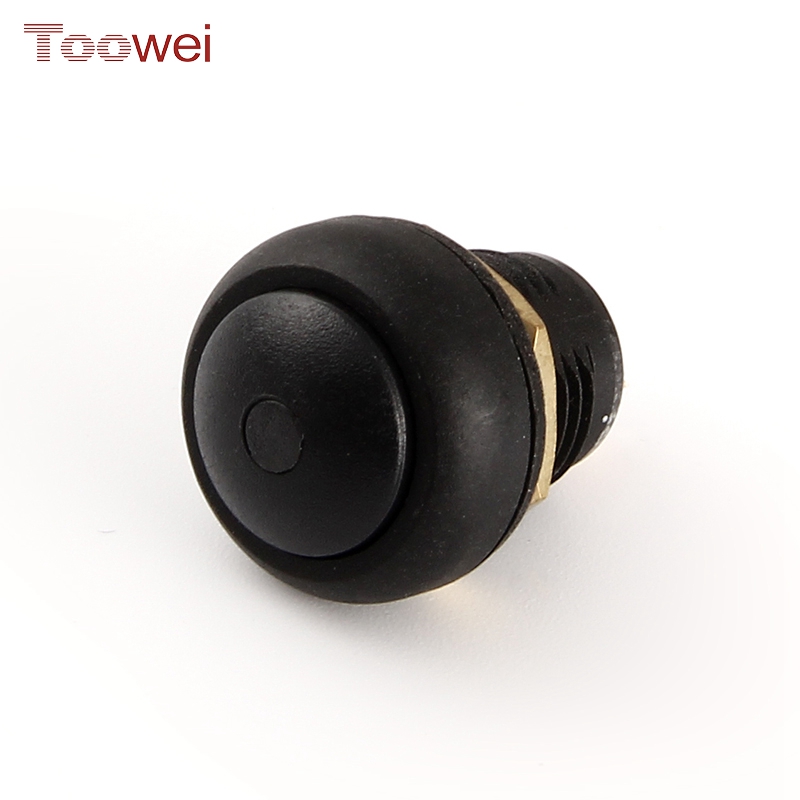
Push button light switches represent a fundamental yet sophisticated solution in electrical control systems, combining mechanical simplicity with reliable functionality across residential, commercial, and industrial environments. Unlike traditional toggle switches, push button light switches offer distinct advantages in user interface design, durability, and the integration of visual feedback mechanisms that enhance both safety and operational efficiency. Understanding how these switches function and why they remain essential components in modern lighting control systems reveals the engineering principles that make them indispensable in countless applications.
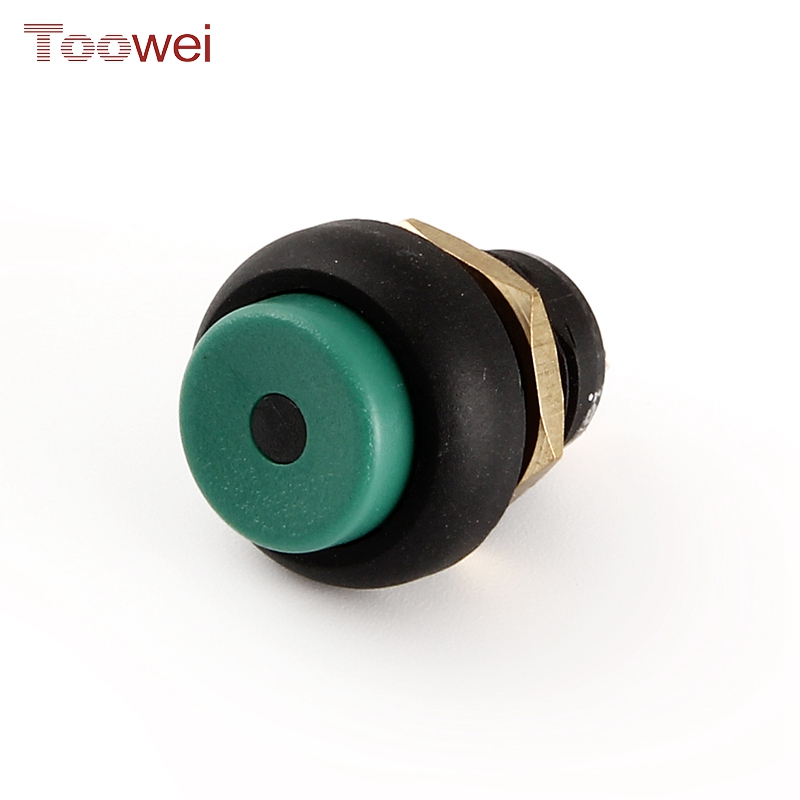
The mechanical elegance of push button light switches lies in their straightforward design paired with robust performance capabilities. When a user applies pressure to the button, an internal mechanism engages either a momentary or maintained contact state, completing the electrical circuit to activate lighting or deactivate it. This straightforward operation, combined with tactile response that confirms user input, makes push button light switches a preferred choice in environments where clear, immediate feedback is critical to operational safety and user confidence.
How Push Button Light Switches Deliver Tactile Feedback
The Mechanical Contact Mechanism
Push button light switches incorporate a spring-loaded contact system that generates tactile feedback upon activation. When pressure is applied, the button compresses against internal springs, and as the contact points meet, the user experiences a subtle but distinct 'click' sensation. This mechanical response serves multiple purposes: it confirms that the switch has registered the input, prevents accidental double-activation, and provides immediate sensory confirmation that the lighting command has been executed. The design of push button light switches ensures this feedback occurs at a consistent pressure point, typically between 60 and 80 grams of force, allowing users to develop muscle memory and operate the switches confidently without visual verification.
Integration of Illuminated Indicators
Modern push button light switches frequently incorporate LED or illuminated ring indicators that provide visual feedback synchronized with the electrical state of the connected lighting. When the lights are on, the indicator glows, offering instant confirmation of the system status from across a room or in low-light conditions. This visual reinforcement complements the tactile feedback mechanism, creating a multi-sensory user experience that reduces operational errors and enhances safety in critical environments. Push button light switches with integrated illumination are particularly valuable in industrial settings, emergency facilities, and commercial spaces where visual clarity of system status is essential for operational oversight.
Control Architecture in Push Button Light Switches
Momentary Versus Maintained Contact Switching
Push button light switches operate in two primary configurations: momentary contact switches and maintained contact switches. Momentary contact push button light switches activate the circuit only while pressure is applied to the button, returning to an open circuit state upon release. This configuration is ideal for applications requiring continuous control, such as garage door openers or temporary lighting activation. Maintained contact push button light switches, conversely, toggle between on and off states with each press, remaining in their selected state until the next activation. This toggle functionality makes push button light switches with maintained contacts suitable for standard lighting control where users expect persistent illumination following a single button press. Understanding the distinction between these configurations is crucial for selecting appropriate push button light switches for specific applications.
Multi-Function Control Integration
Advanced push button light switches support multi-function control through programmable relay modules and smart control interfaces. These enhanced push button light switches can integrate dimming functions, scene activation, scheduling capabilities, and remote coordination with building management systems. In commercial facilities, push button light switches connected to networked control systems enable facility managers to implement complex lighting scenes, energy-saving protocols, and emergency override functions from centralized platforms. The evolution of push button light switches toward smart, networked control reflects growing demand for flexible, responsive lighting management in modern buildings while maintaining the intuitive physical interface that defines traditional button-based interaction.
Visual Feedback Design and Safety Applications
Color-Coded Button Indicators for Safety
Push button light switches often employ color-coded button designs and illuminated ring indicators to communicate functional status and operational context. Red buttons typically indicate emergency stop or high-risk activation states, while green suggests normal operation or activation commands. Yellow or amber indicators alert users to caution states or pending actions. This standardized color language in push button light switches supports rapid user comprehension and reduces operational errors in high-stakes environments such as manufacturing facilities, hospitals, and emergency response centers. The visual design of push button light switches extends beyond aesthetic consideration; it represents a critical safety communication layer that enhances situational awareness and supports compliance with industry-specific regulations governing hazard communication.
Feedback Confirmation in Low-Light Environments
One distinctive advantage of modern push button light switches is their performance reliability in low-light or dark conditions. The combination of tactile click feedback, illuminated indicators, and sometimes audible confirmation tones makes push button light switches dependable even when visual confirmation of the room's lighting state is unavailable. This multi-modal feedback is particularly important in stairwells, emergency corridors, and outdoor security lighting applications where users may activate the switches before lighting becomes available. Push button light switches with robust feedback mechanisms eliminate user uncertainty about whether their command was executed, reducing the likelihood of repeated activation attempts and improving the overall user experience in challenging lighting conditions.
Industrial and Commercial Applications
Manufacturing and Process Control Integration
Push button light switches serve as foundational components in manufacturing control stations, operating alongside more sophisticated programmable logic controllers and industrial interfaces. In production environments, dedicated push button light switches control bay lighting, emergency illumination, and work-zone activation, integrating seamlessly with facility-wide lighting management systems. The reliability of push button light switches under demanding conditions—including temperature fluctuations, vibration, dust exposure, and chemical environments—makes them essential for industrial applications where complex switching logic must remain accessible to floor operators through intuitive physical controls. Push button light switches rated for hazardous locations, with proper certifications for explosive atmospheres, extend their applicability into the most demanding industrial sectors.
Commercial Building Automation Integration
Commercial facilities increasingly incorporate networked push button light switches into building automation systems that coordinate lighting with occupancy sensors, daylight harvesting systems, and energy management protocols. These intelligent push button light switches maintain their intuitive physical interface while connecting to centralized control platforms through wireless or hardwired protocols. Building operators can program push button light switches to trigger complex lighting scenes, activate emergency lighting sequences, or override automated lighting schedules during special events or maintenance activities. This hybrid approach—combining the tactile simplicity of push button light switches with the sophistication of networked automation—delivers flexible, user-friendly control that meets the evolving demands of modern commercial real estate.
FAQ
What is the typical lifespan of push button light switches?
High-quality push button light switches are engineered to withstand between 500,000 and 2 million mechanical cycles, depending on the contact material, spring design, and operating environment. In typical commercial applications with moderate use rates, push button light switches maintain reliable operation for 10 to 20 years or longer. Industrial-grade push button light switches with stainless steel or sealed contacts may exceed standard lifespan expectations when installed in corrosive or high-vibration environments. Regular maintenance and adherence to rated load specifications ensure push button light switches perform reliably throughout their design life.
Can push button light switches be retrofitted into existing lighting installations?
Yes, push button light switches can be integrated into existing installations by coordinating with compatible relay modules, wireless receivers, or smart control interfaces that interpret button commands and route them to existing lighting circuits. This retrofit approach allows facility managers to upgrade user interfaces to push button light switches without rewiring entire lighting systems. However, retrofit compatibility depends on the specific electrical infrastructure, the type of lighting loads, and local electrical codes. Professional electrical assessment is recommended to ensure push button light switches are properly integrated and safely installed in existing environments.
How do push button light switches differ from traditional toggle switches in tactile feedback?
Push button light switches provide discrete, defined tactile feedback through a spring-loaded click mechanism that occurs at a specific pressure point, typically delivering a clear confirmation that the command has registered. Toggle switches offer continuous mechanical feedback across their full range of motion, with no defined click point or distinct pressure threshold. This difference makes push button light switches preferable in applications where users require explicit confirmation of input, while toggle switches suit applications where gradual mechanical feedback satisfies user needs. The choice between push button light switches and toggles depends on the specific application context and user preference patterns.