
 EN
EN
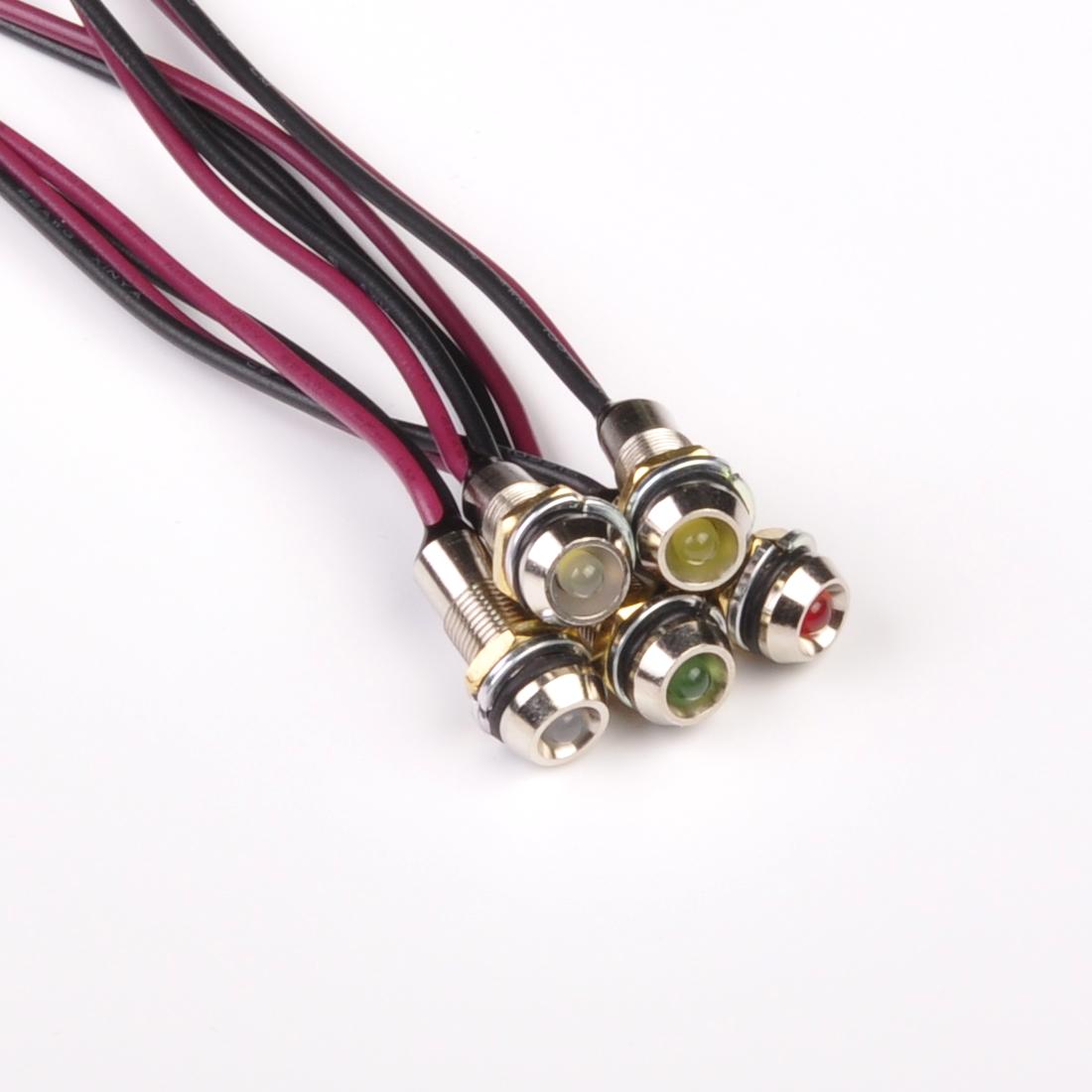
Industrial environments present extreme challenges that demand robust lighting solutions capable of withstanding temperature fluctuations, moisture exposure, vibration, and corrosive atmospheres. An LED indicator light system offers manufacturers and facility managers a dependable method to communicate operational status, alert personnel to critical conditions, and enhance workplace safety in the harshest operational settings. Unlike traditional incandescent or fluorescent alternatives, modern LED indicator light technology delivers performance characteristics specifically engineered for demanding industrial applications where standard lighting fails.
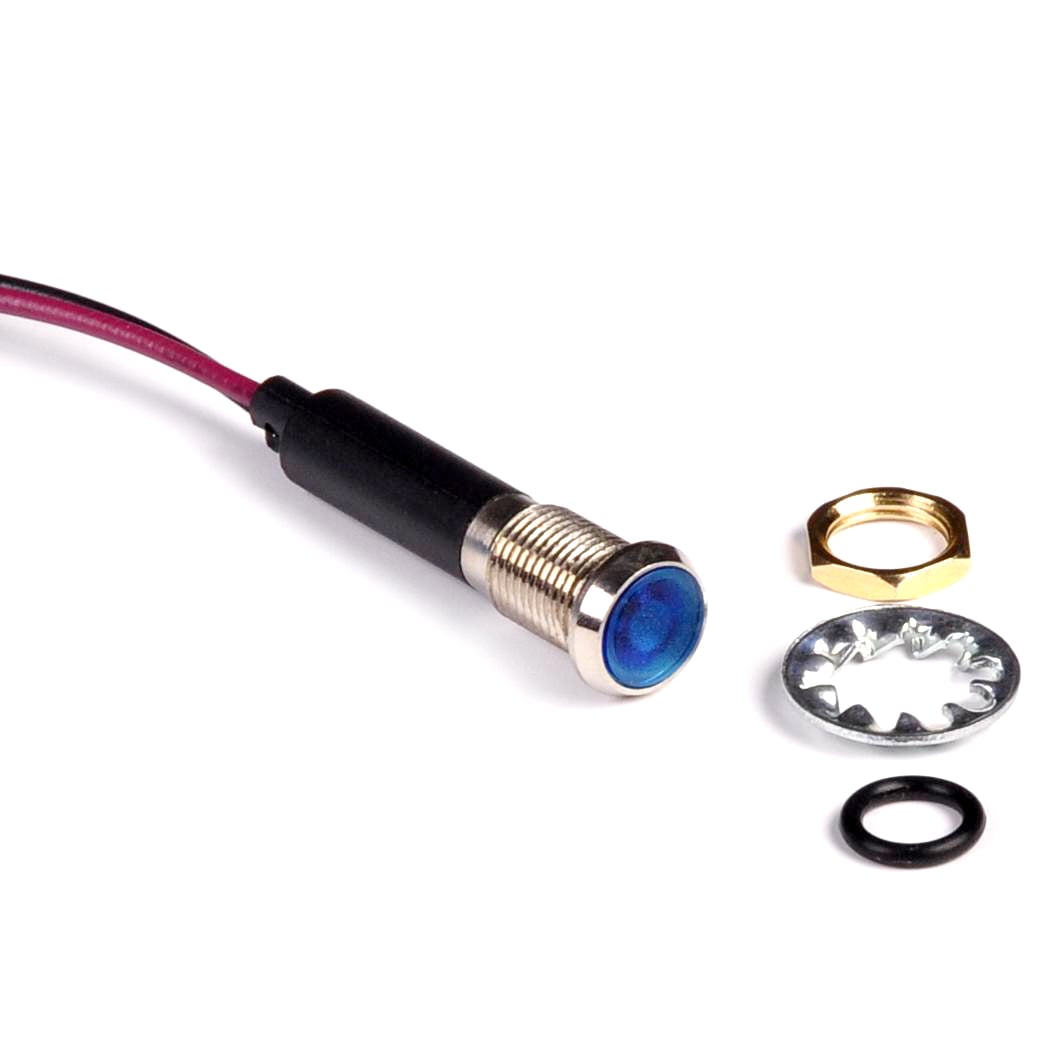
Organizations operating in mining facilities, chemical processing plants, offshore platforms, automotive manufacturing, and renewable energy installations recognize that an LED indicator light system provides substantial advantages over legacy lighting solutions. The transition to LED indicator light technology has become industry standard practice because these systems reduce maintenance costs, minimize downtime, improve safety visibility, and deliver consistent performance across temperature ranges from minus fifty degrees Celsius to above one hundred degrees Celsius.
Superior Durability and Extended Operational Lifespan
Resilience Against Environmental Stressors
An LED indicator light system demonstrates exceptional resistance to the physical and chemical stressors present in harsh industrial environments. Traditional incandescent bulbs generate excessive heat that weakens filaments and reduces lifespan when exposed to temperature cycling, while an LED indicator light maintains stable light output regardless of ambient temperature variations. The solid-state design of LED indicator light technology eliminates moving parts, glass filaments, and mercury-filled tubes that deteriorate when subjected to mechanical vibration, aggressive cleaning chemicals, or salt-spray corrosion.
Manufacturing facilities in coastal regions, food processing plants using caustic cleaning agents, and heavy equipment operations all benefit from an LED indicator light system that withstands chemical exposure that would permanently damage conventional lighting. An LED indicator light rated for IP67 or IP68 protection offers complete sealing against dust ingress and moisture penetration, critical requirements in washdown environments, steam rooms, and rain-exposed installations where incandescent fixtures would corrode within months.
Maintenance Reduction and Cost Efficiency
An LED indicator light system typically operates for fifty thousand to one hundred thousand hours before requiring replacement, compared to one thousand to two thousand hours for incandescent alternatives. This extended service life translates directly into reduced maintenance labor, fewer replacement component purchases, and minimized production interruptions from lighting failures. Facility managers deploying an LED indicator light across hundreds or thousands of status points experience substantial annual savings through decreased maintenance cycles and inventory requirements.
The reliability of an LED indicator light system also reduces unplanned downtime associated with status light failures that might mask equipment problems or delay operator response to critical conditions. Organizations report that transitioning from incandescent to an LED indicator light system frequently reduces total lighting maintenance costs by sixty to eighty percent, with payback periods typically achieved within two to three years through energy and maintenance savings combined.
Enhanced Visibility and Operational Safety
Superior Light Output Across Temperature Ranges
An LED indicator light system delivers consistent brightness and color saturation throughout extreme temperature variations that significantly degrade incandescent performance. In subfreezing environments below minus thirty degrees Celsius, incandescent bulbs produce dim yellowish light while an LED indicator light maintains full color intensity and brightness necessary for rapid operator recognition. Conversely, in high-temperature environments exceeding eighty degrees Celsius, an LED indicator light sustains reliable performance while incandescent fixtures experience accelerated degradation and color shift.
The optical superiority of an LED indicator light system enables faster visual recognition of equipment status, critical for safety-critical applications where operators must distinguish between normal green operation, yellow warning conditions, and red fault states within milliseconds. Enhanced color purity combined with the directional light output characteristic of LED indicator light technology eliminates the ambient light washout problems that plague incandescent status indicators in brightly lit manufacturing facilities or outdoor installations.
Reliability in Safety-Critical Applications
Process control systems, emergency shutdown devices, and safety interlocks depend on an LED indicator light system to communicate critical status information reliably under all operating conditions. Industrial standards and safety regulations increasingly mandate LED indicator light technology for applications where lighting failure could contribute to accidents, equipment damage, or regulatory violations. An LED indicator light system provides the dependability required for compliance with ISO 13849 safety standards, OSHA requirements, and industry-specific certifications governing hazardous location applications.
Organizations implementing an LED indicator light solution in Class I or Class II hazardous locations benefit from certified solutions designed specifically for explosive atmosphere protection. An LED indicator light rated for hazardous locations delivers reliable status indication in petrochemical facilities, grain handling operations, and pharmaceutical manufacturing environments where conventional lighting cannot be safely deployed.
Energy Efficiency and Environmental Sustainability
Reduced Power Consumption and Operating Costs
An LED indicator light system consumes approximately eighty to ninety percent less electrical energy than equivalent incandescent status lights, reducing facility energy budgets and carbon footprints substantially. Facilities operating thousands of status indicator points experience annual energy savings measured in tens of thousands of dollars through LED indicator light conversion. The low power consumption of an LED indicator light system also reduces heat generation, lowering cooling requirements in confined equipment enclosures and contributing to overall facility climate control efficiency.
The energy advantage of an LED indicator light extends to applications powered by backup generators, uninterruptible power supplies, or battery systems where reduced electrical demand directly translates into extended backup runtime. Solar-powered installations and remote monitoring systems benefit significantly from the minimal power requirements of an LED indicator light solution, enabling reliable status monitoring in off-grid industrial applications.
Environmental Responsibility and Regulatory Compliance
An LED indicator light system contains no mercury, lead, or hazardous materials, eliminating the complex disposal procedures required for incandescent and fluorescent fixtures. Facilities transitioning to an LED indicator light demonstrate environmental stewardship while achieving compliance with RoHS, WEEE, and emerging regulations restricting hazardous substances in industrial equipment. The long operational lifespan of an LED indicator light system also reduces manufacturing resource consumption and packaging waste associated with frequent replacement cycles.
Organizations committed to sustainability metrics and carbon reduction targets achieve measurable progress through comprehensive LED indicator light system implementation. The cumulative environmental benefit of an LED indicator light deployment across industrial operations aligns facility operations with corporate sustainability goals and appeals to environmentally conscious customers and stakeholders.
FAQ
Can an LED indicator light system operate reliably in outdoor and fully exposed environments?
Yes, an LED indicator light system rated IP67 or higher provides complete protection against rain, dust, and environmental contamination when properly sealed and installed. An LED indicator light designed for outdoor industrial applications incorporates UV-resistant lens materials, corrosion-resistant housings, and sealed electrical connections that enable reliable operation in fully exposed conditions, from desert heat and intense sunlight to coastal salt spray and arctic cold.
What temperature range should an LED indicator light system support for industrial use?
Most industrial-grade LED indicator light systems operate reliably across minus forty to plus eighty-five degrees Celsius, with specialized variants supporting extended ranges to minus fifty-five or plus one hundred degrees Celsius. An LED indicator light rated for your specific environment should be verified against application requirements and equipment specifications to ensure reliable performance across seasonal variations and operational temperature extremes encountered in your facility.
How does an LED indicator light system compare to fiber optic light guide alternatives?
An LED indicator light system offers direct simplicity, lower installation cost, and straightforward maintenance compared to fiber optic solutions, making it ideal for most industrial applications. Fiber optic light guides may be preferred when an LED indicator light must be located far from monitoring equipment or when extremely harsh electrical environments necessitate complete electrical isolation, but an LED indicator light system satisfies the majority of industrial status indication requirements cost-effectively.