
 EN
EN
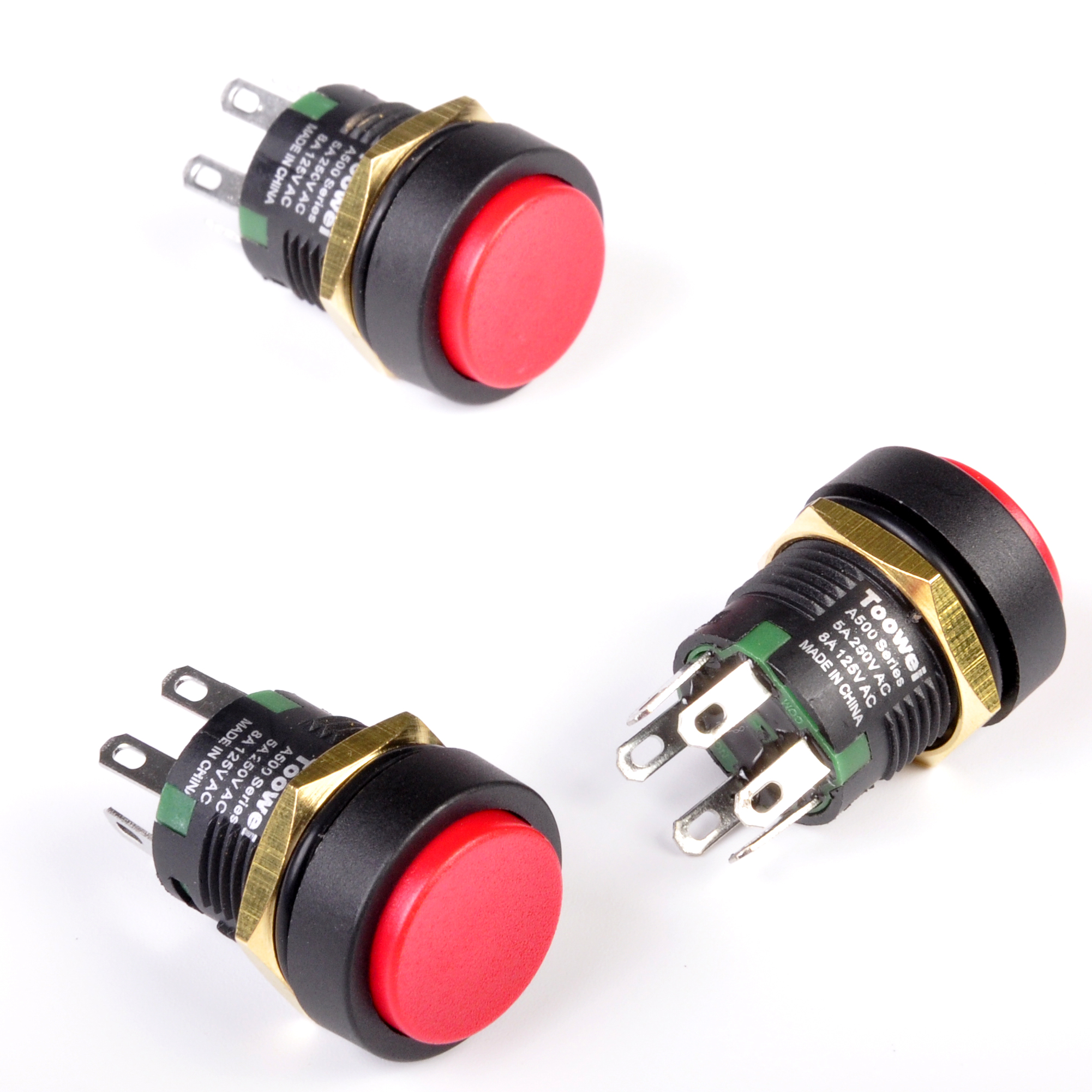
Pushbutton switches serve as fundamental control interfaces across diverse industrial sectors, enabling operators to manage complex machinery, safety systems, and automated workflows with simple, reliable actuation. These devices have evolved far beyond basic on-off functionality to become sophisticated components embedded in control panels, emergency systems, and mission-critical applications worldwide. Understanding which industries depend on advanced pushbutton switches reveals the breadth of their importance in modern manufacturing, transportation, healthcare, and infrastructure management.
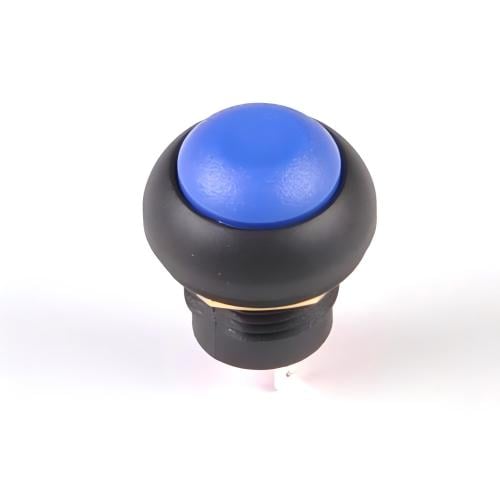
Advanced pushbutton switches today incorporate ergonomic design, sealed enclosures, programmable feedback, illumination options, and integration with IoT monitoring systems. Industries that require precise control, operator safety, and uninterrupted operation have made pushbutton switches central to their operational infrastructure. The demand for high-performance pushbutton switches continues to grow as automation, safety regulations, and process optimization drive innovation across manufacturing, energy, transportation, and commercial sectors.
Manufacturing and Industrial Automation
Production Line Control and Machine Interfaces
Manufacturing facilities rely heavily on pushbutton switches to control production lines, assembly equipment, and material handling systems. Operators use pushbutton switches to start, stop, and adjust machinery throughout factory floors. The ergonomic design of modern pushbutton switches allows workers to maintain productivity while reducing hand fatigue during repetitive operations. Advanced pushbutton switches with tactile feedback and color-coded options help operators quickly identify function assignments and prevent operational errors.
Emergency Stop and Safety Systems
Emergency stop pushbutton switches represent a critical safety requirement in all manufacturing environments. These specialized pushbutton switches must be immediately accessible, clearly visible, and universally recognized across workforces. Industrial standards mandate that emergency pushbutton switches feature large red buttons with yellow backgrounds, audible confirmation, and mechanical latching to prevent accidental deactivation. Manufacturing plants cannot legally operate without compliant emergency pushbutton switches integrated into every hazardous machinery zone.
Energy and Utility Infrastructure
Power Generation and Distribution Control
Power plants, substations, and renewable energy facilities depend on ruggedized pushbutton switches for critical control operations. Nuclear facilities, hydroelectric plants, and thermal generation centers use pushbutton switches in control rooms where operators manage grid stability and power distribution. These pushbutton switches must withstand extreme environmental conditions, electromagnetic interference, and operate reliably during emergencies. The reliability of pushbutton switches directly impacts grid resilience and prevents cascading power failures across regional infrastructure.
Oil and Gas Operations
Offshore drilling platforms and petroleum processing facilities integrate pushbutton switches into equipment controls across hazardous zones. Explosion-proof pushbutton switches designed for Class I Division 1 environments prevent ignition risks in gas-saturated atmospheres. Pipeline monitoring stations and pump control systems use weatherproof pushbutton switches rated for corrosive salt spray and extreme temperature fluctuations. The specialized requirements of oil and gas operations drive demand for military-grade and intrinsically safe pushbutton switches.
Transportation and Logistics Systems
Railway and Transit Control
Transit systems, freight railways, and urban transportation networks depend on pushbutton switches for signal control, platform operation, and vehicle command interfaces. Train control cabins feature multiple specialized pushbutton switches for acceleration, braking, and emergency response. Passenger information systems at stations use pushbutton switches for boarding announcements and platform door control. Railway standards require pushbutton switches certified for durability, redundancy, and fail-safe operation under continuous daily usage.
Automotive Manufacturing and Testing
Automotive assembly plants use thousands of pushbutton switches across robotic welding stations, paint booths, and quality testing bays. Diagnostic equipment in service centers relies on pushbutton switches for test initiation and results navigation. Vehicle manufacturing lines integrate pushbutton switches into conveyor systems, lifting platforms, and material sequencing controls. Electrical harnesses in vehicles themselves contain miniaturized pushbutton switches for window controls, seat adjustment, and accessory functions that drivers encounter daily.
Healthcare and Life Sciences
Medical Device Equipment Control
Hospitals and diagnostic centers operate advanced medical imaging equipment, surgical systems, and patient monitoring devices controlled through specialized pushbutton switches. Surgical suites use foot-pedal pushbutton switches for hands-free equipment actuation during sterile procedures. Imaging systems like MRI and CT scanners require pushbutton switches with precise calibration and emergency interrupt capability. Biomedical equipment manufacturers specify medical-grade pushbutton switches that meet FDA compliance requirements and withstand frequent sterilization cycles.
Laboratory and Research Automation
Research institutions and pharmaceutical laboratories automate sample processing, analysis, and data collection using pushbutton switches integrated into sophisticated control systems. Centrifuges, spectrophotometers, and liquid handling robots respond to pushbutton switches for protocol initiation and parameter adjustment. Climate-controlled storage systems protecting valuable biological samples use pushbutton switches for temperature and humidity monitoring interfaces. The precision demanded by life sciences research drives requirements for sealed, non-contaminating pushbutton switches.
Commercial and Infrastructure Applications
Building Automation and Security
Commercial buildings integrate pushbutton switches into HVAC systems, lighting controls, and access management interfaces. Security monitoring stations use pushbutton switches for alarm acknowledgment, zone isolation, and emergency response dispatch. Elevators feature pushbutton switches as the primary user interface for floor selection and emergency communication. Building automation systems depend on thousands of pushbutton switches coordinating climate control, fire suppression, and occupant safety systems simultaneously.
Water Treatment and Environmental Systems
Municipal water treatment facilities and wastewater processing plants operate critical infrastructure controlled through pushbutton switches integrated into SCADA systems. Pump stations, filtration processes, and chemical dosing equipment respond to operator inputs through pushbutton switches. Environmental monitoring stations use weatherproof pushbutton switches for data collection initiation and system diagnostics. Disaster response capabilities in water infrastructure depend on the immediate availability and reliability of emergency pushbutton switches during system failures.
FAQ
Why do industries choose advanced pushbutton switches over digital touch interfaces?
Advanced pushbutton switches offer tactile feedback, mechanical reliability, and intuitive operation that digital interfaces cannot match in high-noise industrial environments. Pushbutton switches function reliably when covered with gloves, dirt, or moisture, whereas touch screens require clean, bare fingers. Operators develop muscle memory with pushbutton switches, enabling rapid response during emergencies without visual confirmation. Critical safety systems legally require mechanical pushbutton switches for emergency stops because their physical nature guarantees operation when electronic systems fail.
What certifications should pushbutton switches meet for industrial compliance?
Pushbutton switches in different industries must meet specific safety standards including UL (Underwriters Laboratories), IEC (International Electrotechnical Commission), and NEMA (National Electrical Manufacturers Association) ratings. Hazardous location applications require pushbutton switches certified for Class I Division 1 or Class II Division 1 environments. Medical applications demand FDA compliance and biocompatibility certification for pushbutton switches that contact patients. The appropriate certification for pushbutton switches depends entirely on the industry sector and operational hazards present.
How do environmental conditions affect pushbutton switches selection?
Outdoor applications require corrosion-resistant pushbutton switches designed for salt spray, UV exposure, and thermal cycling. Sealed pushbutton switches with IP67 or higher ratings protect internal contacts from water ingress in marine and chemical environments. Temperature extremes demand pushbutton switches rated for specific operational ranges, particularly in arctic or desert industrial sites. Food processing facilities require washdown-rated pushbutton switches that withstand high-pressure cleaning and chemical sanitization protocols.