
 EN
EN
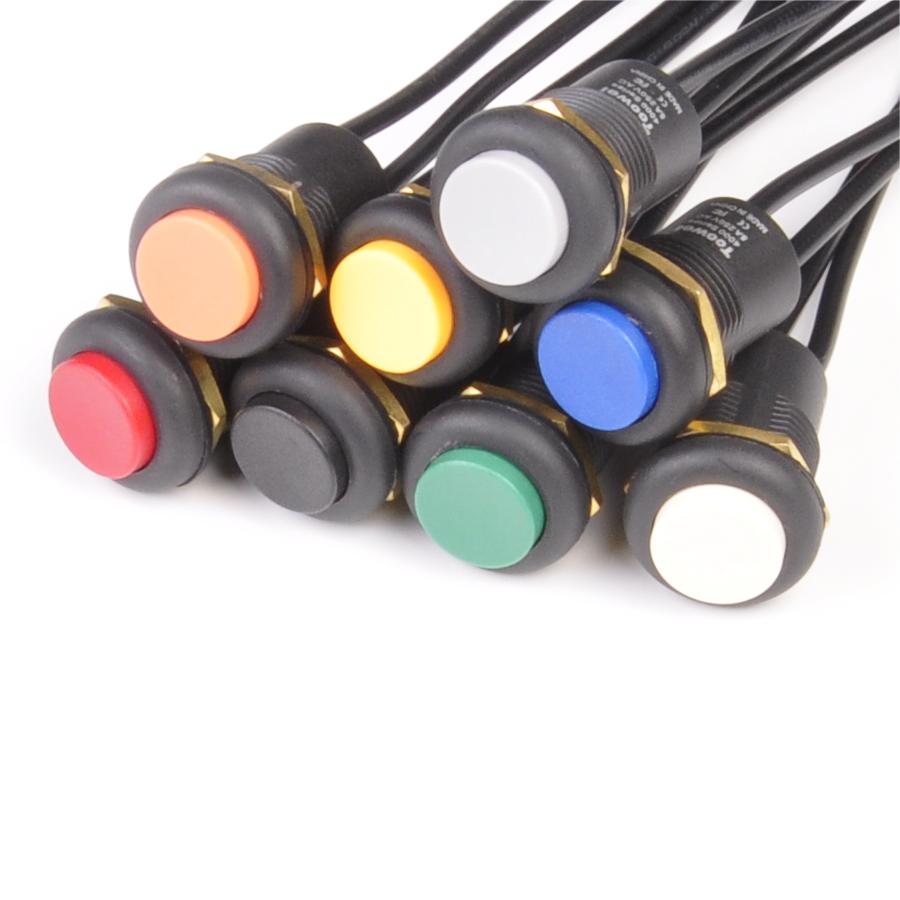
The performance and longevity of industrial control systems depend heavily on component quality and engineering design. A momentary push button switch serves as a critical interface between operators and machinery, making its reliability a cornerstone of operational continuity. Understanding the factors that influence momentary push button switch operation helps engineers and facility managers select appropriate components, reduce unplanned downtime, and maintain system integrity across demanding environments.
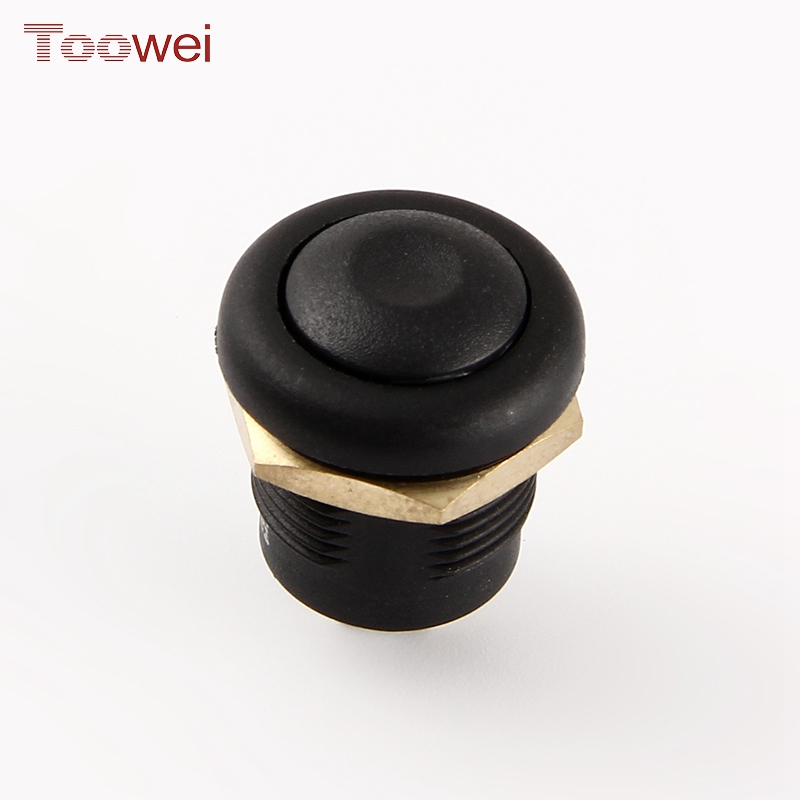
A momentary push button switch is engineered to return to its original state when pressure is released, ensuring controlled temporary activation. Reliability in this context encompasses mechanical durability, electrical performance, environmental resistance, and operational consistency. The factors affecting how a momentary push button switch behaves over time span material composition, actuation force tolerances, contact resistance characteristics, and environmental exposure patterns.
Contact Material and Electrical Integrity
Material Composition and Performance
The contact materials within a momentary push button switch directly determine its ability to handle electrical loads without degradation. High-quality contacts are typically composed of noble metals such as silver alloys, which resist oxidation and maintain consistent conductivity through thousands of cycles. When a momentary push button switch uses inferior contact materials, arcing and micro-welding can occur, creating reliability issues that escalate rapidly in high-frequency applications.
Contact resistance stability is another critical aspect of momentary push button switch reliability. As the switch undergoes repeated activation, contact surfaces may experience erosion or plating migration. A well-designed momentary push button switch minimizes contact resistance variation across its operational life, typically maintaining resistance within tight tolerances. This consistency prevents voltage drops that could compromise downstream circuitry or indicator lights.
Electrical Load Rating and Thermal Management
Every momentary push button switch has defined electrical ratings that reflect its ability to safely carry specified currents and voltages. Exceeding these ratings causes excessive heat generation at contact points, accelerating material degradation and reducing the operational lifespan of the momentary push button switch. Proper thermal management through adequate contact spacing and material selection ensures that a momentary push button switch maintains performance even in continuous-duty scenarios.
Inductive load environments present particular challenges for momentary push button switch reliability. When controlling motors, solenoids, or relays, the back-EMF spike generated during switch opening can damage contacts if not properly suppressed. A robust momentary push button switch design incorporates rated inductive load capacity and works with external suppression components to mitigate these transient stresses.
Mechanical Design and Actuation Characteristics
Spring Force and Tactile Response
The mechanical reliability of a momentary push button switch depends significantly on spring design and preload consistency. Springs that maintain proper tension throughout the switch's operational life ensure reliable contact closure and smooth reset action. A momentary push button switch with degraded springs may exhibit inconsistent tactile feedback or fail to fully reset, creating operational uncertainty and potential safety concerns.
Actuation force tolerance directly influences both user experience and long-term reliability of a momentary push button switch. If the required pressure to activate the momentary push button switch varies significantly, operators may apply excessive force, accelerating mechanical wear. Tight manufacturing tolerances on actuation force ensure that a momentary push button switch responds predictably throughout its service life, reducing fatigue-related failures.
Bounce Behavior and Contact Stability
Contact bounce represents a fundamental challenge in momentary push button switch reliability. When the button is pressed, contacts may separate and reconnect multiple times within microseconds, generating electrical noise and potentially triggering unintended circuit actions. A quality momentary push button switch incorporates design features that minimize bounce duration, such as optimized contact geometry and damping mechanisms.
The relationship between actuation speed and bounce severity affects momentary push button switch performance. Faster actuation generally produces shorter bounce windows, while deliberate or slow pressing may extend bounce duration. Industrial applications using a momentary push button switch should account for these dynamics through either hardware debouncing or software filtering strategies that work with the switch's inherent characteristics.
Environmental Factors and Protective Design
Moisture Resistance and Corrosion Protection
Environmental exposure significantly impacts momentary push button switch longevity. Moisture ingress can cause contact corrosion, internal component oxidation, and electrical leakage that compromises isolation between circuits. A well-engineered momentary push button switch features sealed construction or conformal coating that prevents water vapor penetration while maintaining mechanical functionality.
Corrosive atmospheres, common in chemical processing and coastal industrial facilities, accelerate degradation of standard momentary push button switch materials. Stainless steel housings and specialized contact plating extend momentary push button switch reliability in these demanding conditions. Regular maintenance protocols and periodic cleaning help sustain the protective qualities that keep a momentary push button switch operational over extended periods.
Temperature Stability and Material Expansion
Temperature cycling creates reliability challenges for any momentary push button switch due to differential thermal expansion between component materials. Plastic bezels, metal contacts, and spring steel expand and contract at different rates, potentially creating micro-gaps that affect contact reliability. A momentary push button switch designed for broad temperature ranges incorporates materials selected for compatible expansion coefficients and structural design that accommodates movement.
Extreme temperatures directly affect spring properties and material conductivity within a momentary push button switch. High heat may anneal springs, reducing their restoring force, while low temperatures can increase contact resistance. Industrial applications requiring high momentary push button switch reliability across temperature extremes benefit from components specifically rated for those operating ranges and constructed from temperature-stable materials.
FAQ
What electrical characteristics most impact momentary push button switch reliability?
Contact resistance stability, load rating compliance, and proper handling of inductive load transients form the electrical foundation of momentary push button switch reliability. Using a momentary push button switch within its rated specifications prevents premature contact degradation. Additionally, matching the switch rating to actual circuit demands ensures that electrical stress does not exceed design limits, maintaining consistent performance across the switch's operational life.
How do environmental conditions affect momentary push button switch operation?
Moisture, corrosive chemicals, temperature extremes, and vibration all degrade momentary push button switch performance if the component lacks appropriate protective design. A momentary push button switch selected for sealed construction and corrosion-resistant materials performs reliably in harsh industrial environments. Regular inspection for moisture intrusion and corrosion helps identify when a momentary push button switch requires replacement before catastrophic failure occurs.
How does mechanical wear affect momentary push button switch reliability over time?
Repeated actuation cycles gradually wear contact surfaces and weaken springs within any momentary push button switch, eventually leading to performance degradation. A high-quality momentary push button switch rated for the expected cycle count maintains acceptable performance throughout the application's service life. Monitoring tactile response and actuation force helps operators detect when a momentary push button switch approaches end-of-life, allowing proactive replacement before operational failures occur.