
 EN
EN
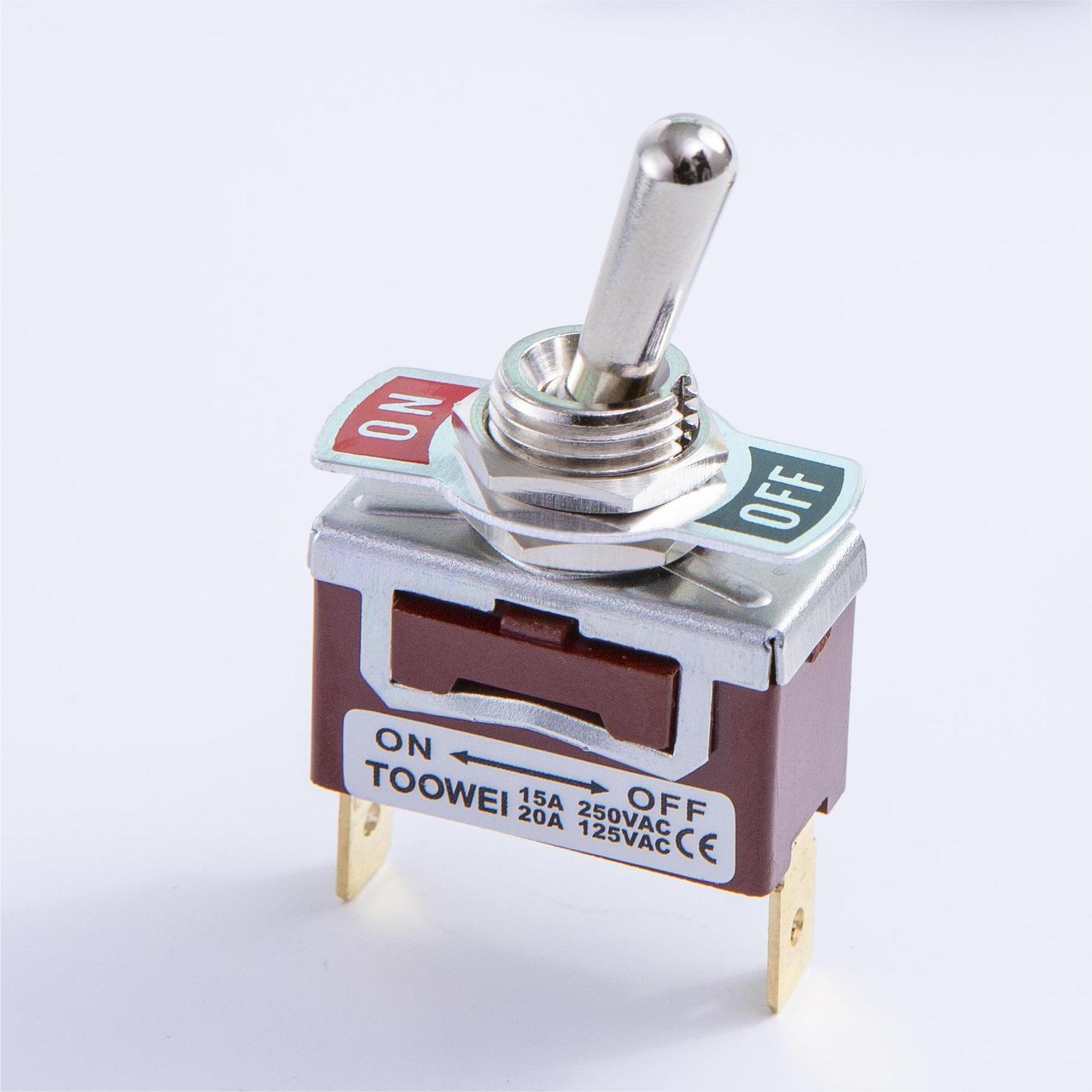
The service life of an on off switch represents one of the most critical performance metrics in industrial electrical systems. Understanding the technical factors that influence on off switch longevity directly impacts equipment reliability, maintenance scheduling, and total cost of ownership across manufacturing, automation, and power distribution applications. An on off switch that fails prematurely can halt production lines, compromise safety systems, and generate unexpected replacement costs that disrupt operational budgets.
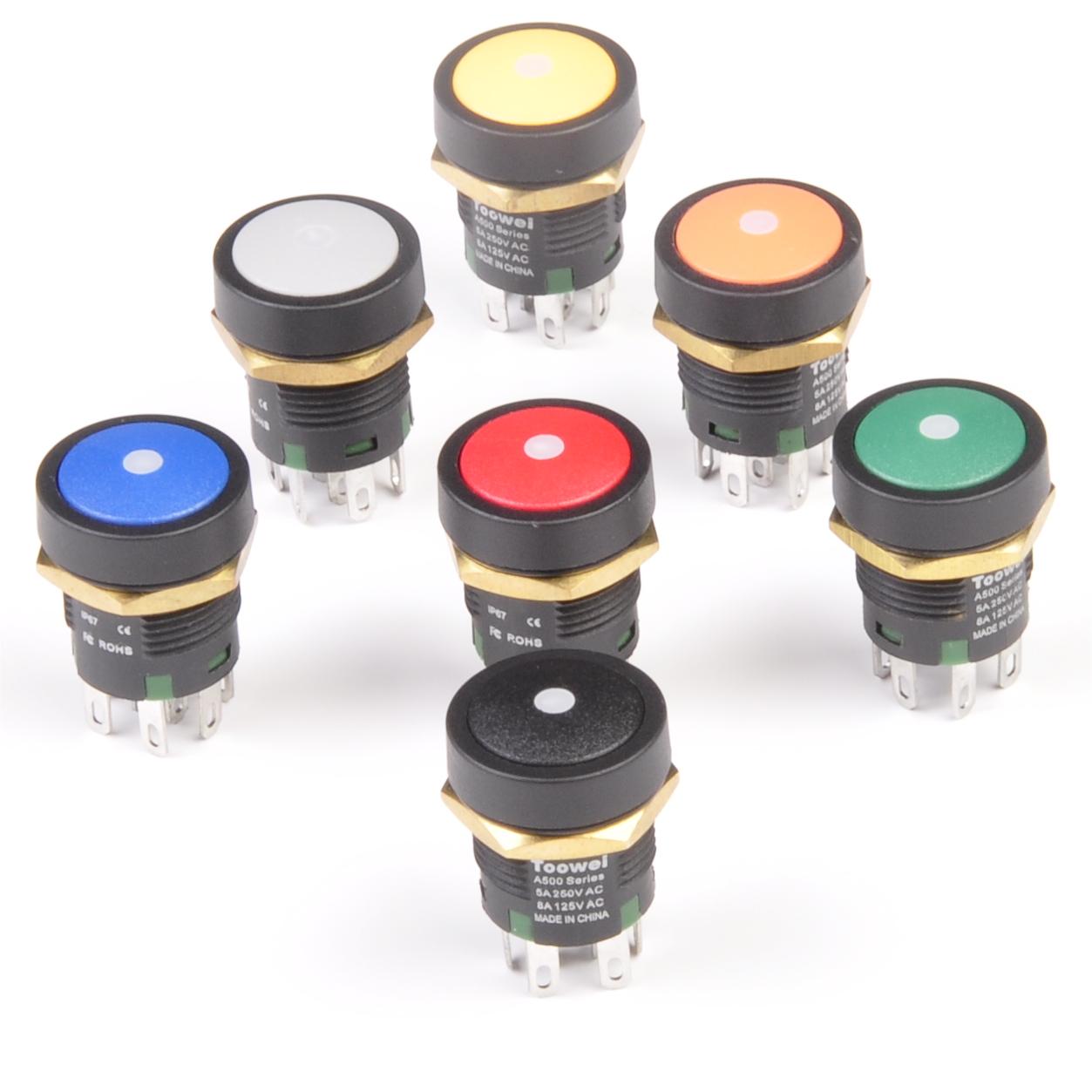
The durability of an on off switch depends on a complex interplay of material science, engineering design, electrical specifications, and environmental conditions. Industrial buyers and maintenance engineers must recognize these technical drivers to make informed procurement decisions and predict realistic on off switch service life for their specific applications. This knowledge enables better equipment selection, preventive maintenance planning, and risk mitigation strategies.
Material Composition and Contact Performance
Contact Material Selection in On Off Switch Design
The electrical contacts within an on off switch represent the primary wear surface during operation. These contacts must withstand repeated mechanical cycling, thermal cycling, and electrical arcing without significant degradation. Silver alloys, copper alloys, and nickel-based compounds are the most common contact materials used in modern on off switch products. Silver offers excellent electrical conductivity and arcing resistance, which directly extends on off switch service life under high-frequency switching and high-current conditions. However, silver contacts are more susceptible to corrosion in certain industrial atmospheres, which can reduce on off switch reliability if environmental protection is inadequate.
Copper-based contacts provide cost-effective performance for moderate-duty on off switch applications, though they exhibit higher contact resistance and greater wear during arc erosion. Nickel plating on copper substrates in an on off switch creates a protective barrier that improves corrosion resistance while maintaining reasonable cost. The thickness and quality of this plating directly correlate with on off switch service life, as thinner or poorly adhered platings fail prematurely under thermal stress and oxidation. Advanced on off switch designs employ layered contact materials that combine the electrical properties of one metal with the protective or erosion-resistant properties of another, significantly extending operational life.
Base Material and Housing Durability
Beyond electrical contacts, the structural materials in an on off switch housing influence its mechanical resilience and long-term performance. Thermoplastic and phenolic resins are common base materials, each offering different thermal stability and mechanical strength profiles. High-temperature thermoplastics in an on off switch housing must resist softening during peak operating conditions, particularly in applications with elevated ambient temperatures or heat dissipation from electrical arcing. The glass-fill percentage in reinforced plastics directly affects the rigidity and dimensional stability of an on off switch, which in turn influences contact alignment and actuation consistency over thousands or millions of cycles.
Ceramic and composite materials in advanced on off switch designs provide superior thermal performance and mechanical stability, extending service life in harsh industrial environments. The coefficient of thermal expansion of the on off switch housing material must be carefully matched to internal components to prevent mechanical stress and contact misalignment as temperatures fluctuate. Poor thermal matching degrades on off switch performance progressively, leading to intermittent failures and reduced service life before catastrophic switching failure occurs.
Electrical Design and Operating Parameters
Current and Voltage Ratings in On Off Switch Specifications
Every on off switch is designed for specific current and voltage ratings that define its safe operating envelope. Operating an on off switch beyond its rated current generates excessive heat at the contacts, accelerating material degradation and reducing service life significantly. Higher current creates greater contact erosion during arcing events, which occurs during each switching transition as the circuit breaks or closes. The severity of arcing increases dramatically with current load, making proper on off switch selection for the actual application current critical for achieving rated service life.
Voltage specifications for an on off switch determine the arc extinction speed and contact gap requirements needed for reliable operation. Higher voltage applications require larger contact gaps and specialized arc suppression features within the on off switch to prevent sustained arcing that would destroy contacts rapidly. Undersizing an on off switch for a given voltage application leads to premature contact pitting, material transfer, and shortened service life. Industrial designers must verify that selected on off switch ratings match or exceed actual circuit parameters to ensure full service life realization.
Switching Frequency and Duty Cycle Effects
The frequency at which an on off switch is actuated directly determines how quickly contact wear accumulates. An on off switch rated for 100,000 cycles will experience predictable wear progression, but only if operated within its design cycle rate. Switching frequency affects both the rate of mechanical wear on internal springs and latches and the cumulative thermal stress from electrical arcing. High-frequency applications demand an on off switch with reinforced mechanical components and optimized contact materials to handle accelerated wear patterns.
Duty cycle specification defines the ratio of active switching time to total operating time, which influences thermal loading on the on off switch. A continuous-duty on off switch must dissipate heat continuously, requiring superior thermal design and materials compared to intermittent-duty equivalents. Mismatches between actual duty cycle and on off switch design rating cause cumulative thermal damage that reduces service life below published specifications. Accurate duty cycle analysis during on off switch selection ensures realistic performance predictions and prevents premature failures in the field.
Environmental and Mechanical Factors
Environmental Contamination and Corrosion Mechanisms
Industrial environments expose an on off switch to moisture, salt spray, chemical vapors, and particulate contamination that accelerate corrosion and mechanical degradation. Salt-spray environments, common in marine and coastal industries, attack unprotected on off switch contacts and housing materials through electrochemical corrosion. The service life of an on off switch in these harsh conditions depends heavily on the quality of conformal coatings, contact platings, and housing sealing to prevent electrolyte penetration. Inadequate environmental protection can reduce on off switch service life by 50% or more compared to controlled indoor applications.
Particulate contamination such as dust, metal filings, and conductive debris can bridge contacts in an on off switch, causing unintended electrical paths that degrade performance. An on off switch with sealed design features resists contamination ingress far better than open-frame designs, directly extending service life in factory environments. Regular maintenance protocols for on off switch enclosures and periodic cleaning extend service life significantly and prevent sudden failures caused by contamination-induced faults.
Mechanical Shock and Vibration Resistance
Mechanical shock and vibration in industrial equipment can physically damage internal components of an on off switch, reducing service life through accelerated wear and stress fractures. The mounting design, internal spring preload, and structural rigidity of an on off switch determine its shock tolerance rating. An on off switch installed in equipment subject to repeated impact or constant vibration must include mechanical isolation features and robust internal design to prevent cumulative mechanical damage. Industrial applications in mining, construction, and vehicle-mounted systems demand on off switch products with elevated shock and vibration ratings to achieve acceptable service life in these harsh mechanical environments.
Temperature cycling in outdoor or thermally dynamic environments creates mechanical stress within an on off switch as different materials expand and contract at different rates. Thermal cycling accelerates mechanical fatigue in springs, latches, and contact carriers, potentially shortening on off switch service life dramatically if materials are poorly matched. Premium industrial on off switch products incorporate design features and material selections specifically engineered to withstand thermal cycling, preserving service life across wide temperature ranges and maintaining electrical performance consistency throughout the equipment lifetime.
FAQ
What is the typical service life expectancy for an industrial on off switch?
Standard industrial-grade on off switches typically deliver 100,000 to 1,000,000 mechanical cycles depending on design, materials, and application conditions. An on off switch rated for 100,000 cycles at low current represents budget-tier products, while premium on off switch options rated for 1,000,000 cycles or more serve critical-reliability applications. Actual on off switch service life may extend beyond rated cycles if operating conditions remain stable and within specifications, or degrade significantly if environmental or electrical stresses exceed design assumptions. Manufacturers publish on off switch cycle ratings under specific test conditions, so real-world service life depends on how closely actual use matches those tested parameters.
How do temperature extremes affect on off switch service life and reliability?
Temperature extremes accelerate multiple failure modes that reduce on off switch service life, including material embrittlement at low temperatures and accelerated corrosion or contact degradation at high temperatures. An on off switch operating continuously at elevated temperature experiences faster contact erosion, spring relaxation, and housing material aging compared to room-temperature operation. Cold temperatures can reduce on off switch mechanical compliance and increase contact resistance, potentially causing intermittent switching failures. Industrial on off switch selection must account for the full operating temperature range to ensure the chosen product delivers rated service life across seasonal or process-induced temperature variations in the installation environment.
How can industrial users extend the service life of existing on off switches?
Preventive maintenance programs significantly extend on off switch service life by controlling environmental contamination, removing corrosive deposits, and detecting performance degradation before complete failure occurs. Periodic inspection of on off switch external contacts and housing for corrosion, discoloration, or visible damage allows early intervention before internal deterioration advances to failure. Maintaining proper operating conditions by avoiding sustained overcurrent, excessive switching frequency beyond design rating, and exposure to extreme temperatures preserves on off switch performance and delays replacement needs. Environmental control measures such as conformal coating application, sealed enclosure design, and climate-controlled installations protect on off switch products from accelerated degradation and extend measurable service life significantly.